Nine Sudanese Dishes Worth Cooking First
From sour flatbreads to sesame sweets, these are the best-known Sudanese dishes and the ones that show the range of the cuisine.
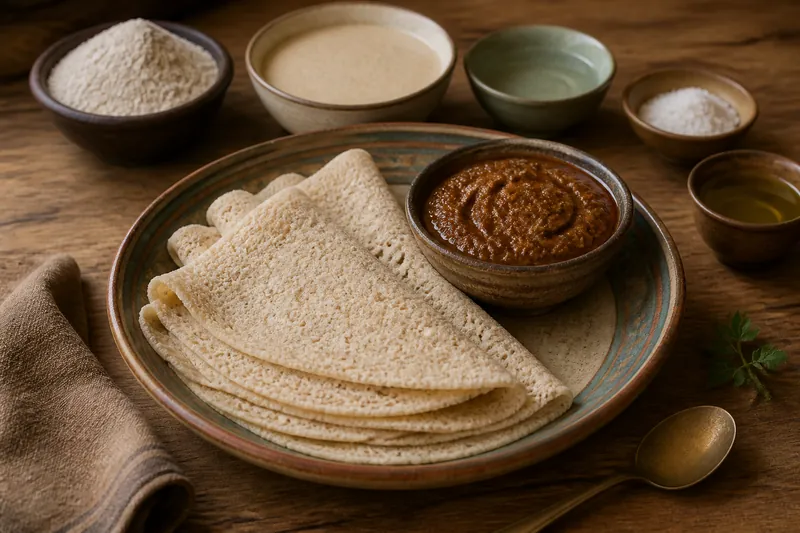
Sudanese cooking draws on grain, legumes, meat, sesame, and long, patient seasoning. Many of its best-known dishes are built for sharing, with breads, stews, and condiments that meet at the table.
The dishes below show that range plainly: fermented and fresh, grilled and stewed, savory and sweet. Together they give a clear view of how Sudanese food balances sourness, spice, and deep, practical nourishment.
The sour flatbread at the center of the table
KisraSudaneseOpen the recipe →Kisra is the thin, crepe-like bread that appears with many Sudanese meals. It is made from fermented batter, usually from sorghum, and cooked on a hot griddle until set and lacy. The flavor is gently sour, clean, and grainy, which makes it a natural partner for rich stews and meat dishes. It is worth learning because it is so central to the way Sudanese food is eaten. The one thing to plan for is the fermentation: the batter needs time, and the flavor depends on it.
A simple lentil dish with steady comfort
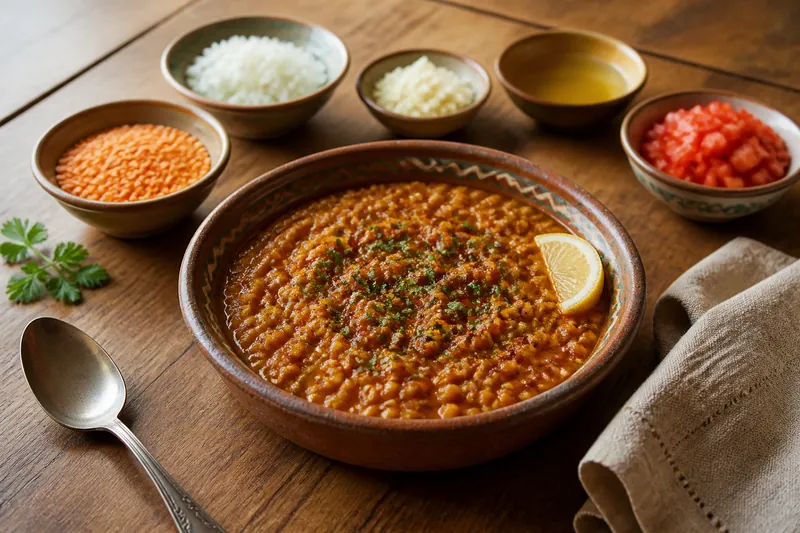 AddasSudaneseOpen the recipe →
Addas is a Sudanese lentil dish that cooks into a soft, seasoned bowl of comfort. It is usually built from basic pantry ingredients and finished with enough spice to keep it lively, not heavy. The taste is earthy, warm, and direct, with lentils giving the dish body and a little creaminess. It is worth cooking because it shows how Sudanese food makes a plain ingredient feel complete. The main thing to know is that the seasoning should be balanced carefully, since lentils absorb salt and spice as they cook.
Skewered meat with smoke and heat
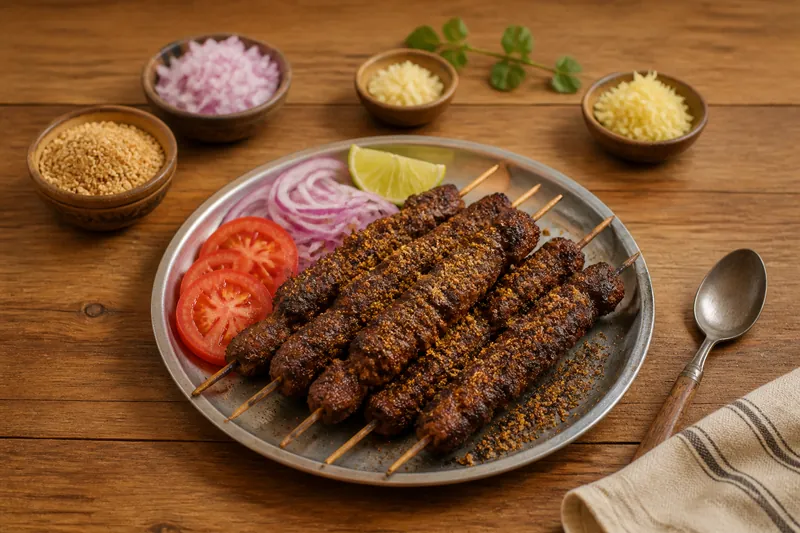 AgasheSudaneseOpen the recipe →
Agashe is a Sudanese grilled meat dish, usually cut small, seasoned well, and cooked quickly over high heat. The result is browned on the outside and juicy inside, with a clear, direct flavor from the fire and the spice rub. It is worth cooking because it shows the street-side, grill-focused side of Sudanese food at its most immediate. A cook should know that the meat needs to be cut evenly and the heat must be ready before it goes on, since the cooking time is short and the difference between browned and dry is only a minute or two.
Thick bread for tearing and dipping
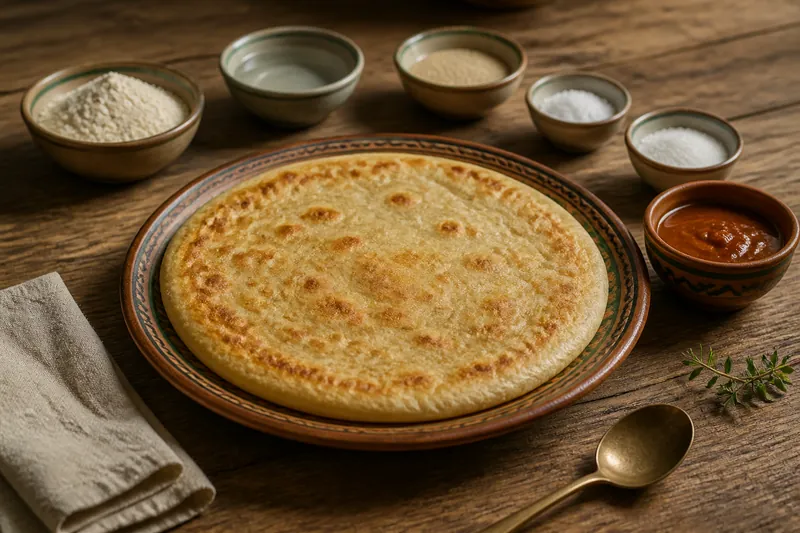 GurasaSudaneseOpen the recipe →
Gurasa is a soft Sudanese bread, thicker than kisra and closer to a pan bread. It is cooked to a pale, tender finish and often served torn into pieces for stews and sauces. The flavor is mild, with a gentle wheat or grain note that lets the other dishes lead. It is worth cooking because it gives a different texture from kisra and makes a meal feel fuller. One thing to know is that the dough and resting time matter; without them, the bread will not have the soft, open texture that makes it useful at the table.
Bread and sauce together in one dish
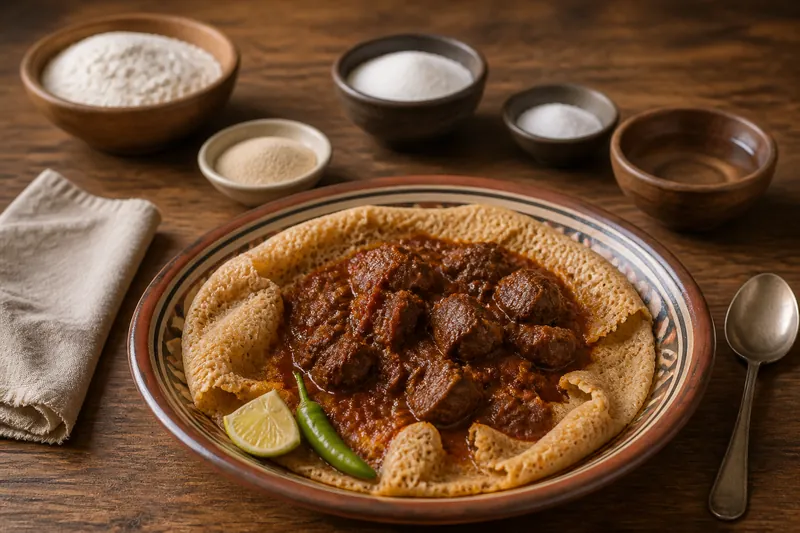 Gurasa bil DamaSudaneseOpen the recipe →
Gurasa bil Dama pairs gurasa with a meat sauce, turning bread and stew into a single dish. The bread soaks up the sauce and carries the flavor in each bite, so the result is hearty, savory, and meant to be eaten with the hands. It is worth cooking because it shows how Sudanese meals often combine a bread base with a richly seasoned topping rather than serving them separately. A cook should know that the sauce needs enough depth and the bread enough structure, since both parts have to hold up to each other on the plate.
A savory fish dish with a firm character
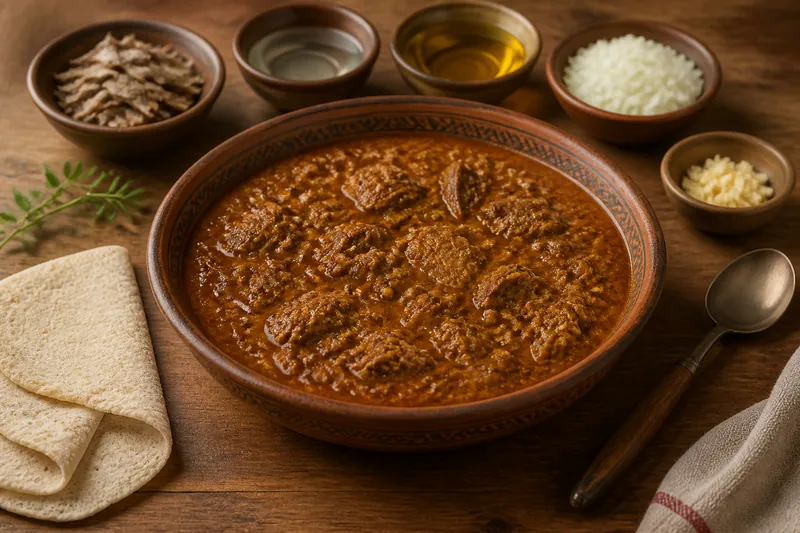 KajaikSudaneseOpen the recipe →
Kajaik is a Sudanese fish dish that cooks into a savory, seasoned preparation with a strong, practical flavor. It reflects the use of fish in river and coastal cooking, where the aim is to build taste without losing the fish itself. The result is usually bold and slightly spiced, with a clean finish. It is worth cooking because it broadens the picture of Sudanese food beyond bread and meat. One thing to know is that the fish should be handled carefully and not overcooked, since it can dry out quickly once the seasoning has done its work.
Long-cooked meat for a deep, soft finish
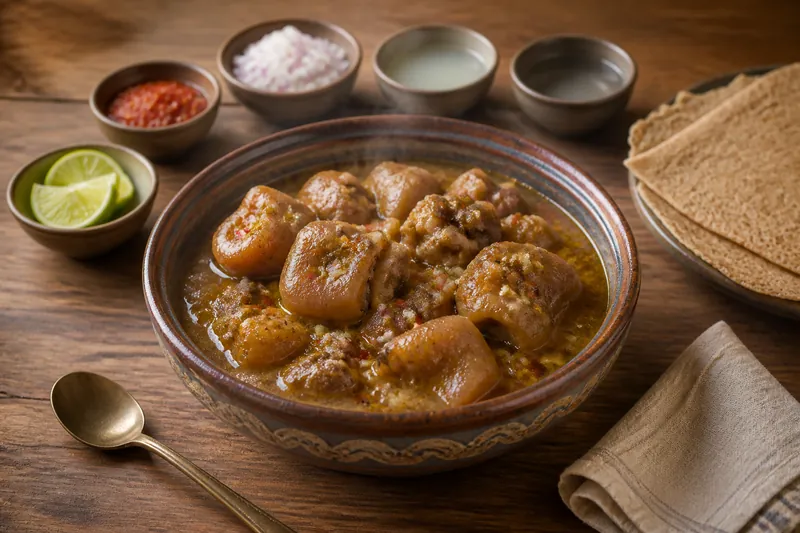 KawariSudaneseOpen the recipe →
Kawari is a Sudanese dish built around slow cooking, giving the ingredients time to soften and the broth to deepen. The flavor is rich and settled, with the meat and aromatics taking on a rounded taste rather than sharp spice. It is worth cooking because long cooking changes the texture completely and gives a kind of comfort that quick dishes cannot match. The one thing to know is that patience matters here; the heat should stay low and steady so the meat becomes tender without the broth reducing too quickly or becoming harsh.
A raw dish with sharp seasoning
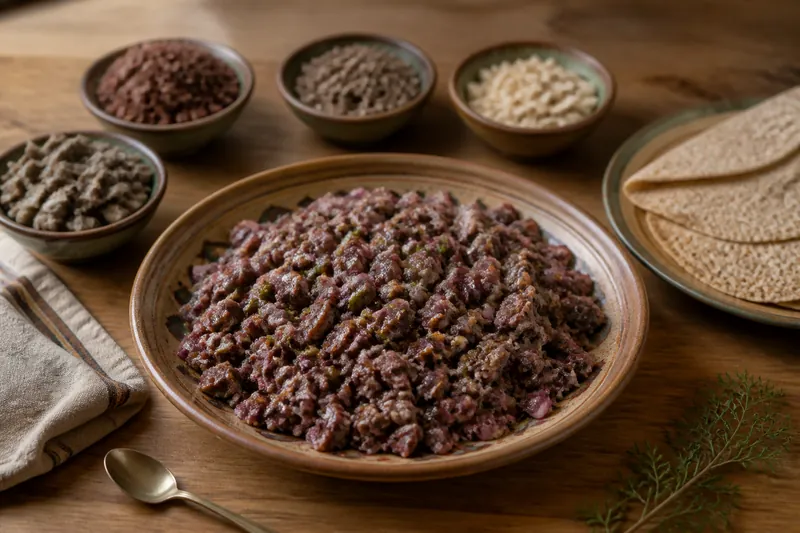 MararaSudaneseOpen the recipe →
Marara is a Sudanese preparation served without cooking, built from finely handled ingredients and strong seasoning. It is direct, fresh, and intense, with a texture and flavor that depend on careful cutting and mixing rather than heat. It is worth cooking, or rather assembling, because it shows another side of Sudanese eating: brisk, forceful, and very immediate. A cook should know that freshness and cleanliness are essential, since there is no cooking step to soften or correct anything. The seasoning has to be balanced from the start.
Sesame sweetness at the end of the meal
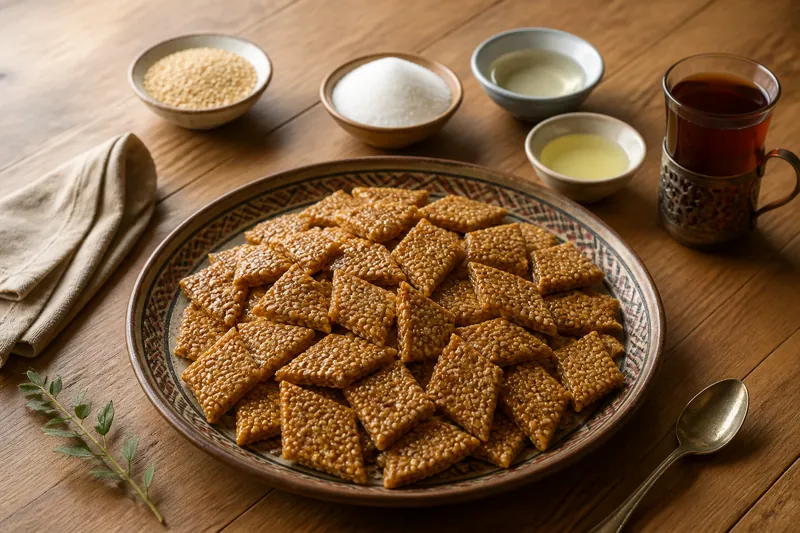 Halawat SimsimSudaneseOpen the recipe →
Halawat Simsim is a sesame sweet, usually made into a firm confection with a nutty, toasted flavor. It tastes rich and slightly earthy rather than overly sugary, which is part of its appeal. It is worth cooking because it shows how sesame runs through Sudanese cooking not only in savory dishes but also in sweets. The main thing to know is timing: sugar, sesame, and heat move quickly together, and the mixture needs attention so it sets properly without burning or becoming grainy.
Small fried dough balls with a crisp shell
 Luqmat al-QadiSudaneseOpen the recipe →
Luqmat al-Qadi are little fried dough pieces, crisp outside and soft within, often finished in syrup or sweetened sauce. In Sudanese cooking they make a familiar dessert or snack, simple in form but very exact in texture. They are worth cooking because they show how a few basic ingredients can become something light and pleasing when the dough is handled properly. A cook should know that the batter or dough needs the right consistency before frying; too loose and it spreads, too stiff and it loses the tender center that makes it worth eating.
These dishes do not cover every regional habit or family variation, but they do give a solid first map of Sudanese cooking. Taken together, they show how bread, grain, meat, and sesame shape a cuisine that is plainspoken, durable, and full of character.