Pork Dishes From Around the World Worth Cooking
Ten pork dishes, from ramen and ribs to tacos and banh mi, showing how different kitchens turn one ingredient into something distinct.
Pork travels well across cuisines because it takes on spice, smoke, acid, and fat with ease. In some dishes it is sliced and seared quickly; in others it is braised, simmered, or cooked until it pulls apart.
These recipes show that range clearly. Some are built for weeknight speed, others ask for more time, but each depends on pork doing what it does best: carrying strong seasoning and staying satisfying.
Sweet, salty, and familiar
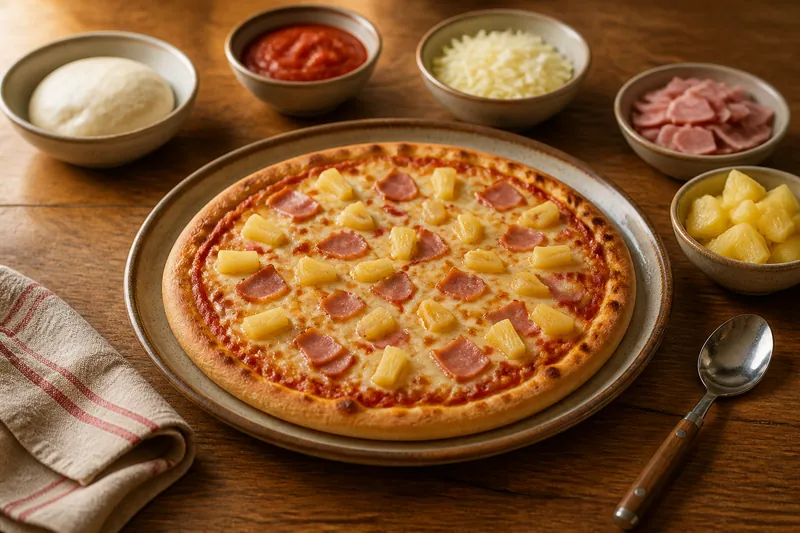
Hawaiian PizzaPizzaOpen the recipe →Hawaiian Pizza pairs ham with pineapple over melted cheese and tomato sauce, giving you the familiar balance of salt, sweetness, and tang that keeps the debate alive. The pork brings savoriness and a bit of chew, while the fruit adds sharp juice against the rich crust and cheese. It is worth making when you want something simple that still has contrast in every bite. One thing to know: keep the pineapple well drained, or the pizza can turn soggy before the crust browns.
All the filling, none of the wrapper
 Keto Egg Roll in a BowlAsian FusionOpen the recipe →
Keto Egg Roll in a Bowl takes the seasoned pork filling you would find inside an egg roll and serves it as a quick stir-fry with cabbage, aromatics, and soy-based seasoning. It tastes savory, peppery, and lightly sweet, with the cabbage softening just enough to soak up the pork fat and seasoning. It is worth cooking because it delivers the same comfort as the takeout classic with far less effort. One thing to know: cook the cabbage until just tender, not limp, so the dish keeps some texture.
Broth with depth and heat
 Spicy Miso RamenJapaneseOpen the recipe →
Spicy Miso Ramen uses pork for richness, often through slices of cooked meat or a broth built with pork depth, then layers in miso, chili, noodles, and garnishes. The result is salty, savory, and warming, with miso giving a fermented roundness that softens the heat. It is worth making when you want a bowl that feels complete and layered rather than merely filling. One thing to know: keep the noodles separate until the end, or they will absorb too much broth and lose their spring.
Charred meat, cool sauce
 Pork Souvlaki with TzatzikiGreekOpen the recipe →
Pork Souvlaki with Tzatziki is built from marinated pork cooked hot and fast until browned at the edges, then served with a cool yogurt-cucumber sauce. It tastes bright, garlicky, and smoky, with the tzatziki cutting through the richness of the meat. It is worth cooking because the ingredients are straightforward and the contrast between hot pork and cold sauce is immediate. One thing to know: do not overcook the pork. Small pieces need only a brief time on the heat to stay juicy.
Slow-cooked ribs with a lacquered finish
 Sticky Kansas City Style BBQ Pork RibsSteak / BBQOpen the recipe →
Sticky Kansas City Style BBQ Pork Ribs are coated in a sweet, tomato-based sauce and cooked slowly until the meat loosens from the bone. The flavor is smoky, sticky, and deeply seasoned, with a molasses-style sweetness that clings to every rib. They are worth the wait because long cooking turns a tough cut into something tender and rich. One thing to know: patience matters more than heat. Ribs need low, steady cooking, and the sauce should be brushed on late so it does not burn.
Crisp pork, bright sauce
 Sweet and Sour PorkChineseOpen the recipe →
Sweet and Sour Pork combines battered or lightly fried pork with a glossy sauce that balances sugar, vinegar, and fruit-like tang. It tastes bold and direct: crisp edges, soft meat, and a sauce that moves between sharp and sweet without feeling heavy. It is worth cooking because the contrast is so clear and satisfying, especially when served with rice. One thing to know: fry the pork in batches so it stays crisp. Crowding the pan will steam the coating and weaken the texture.
Spiced pork for the grill or pan
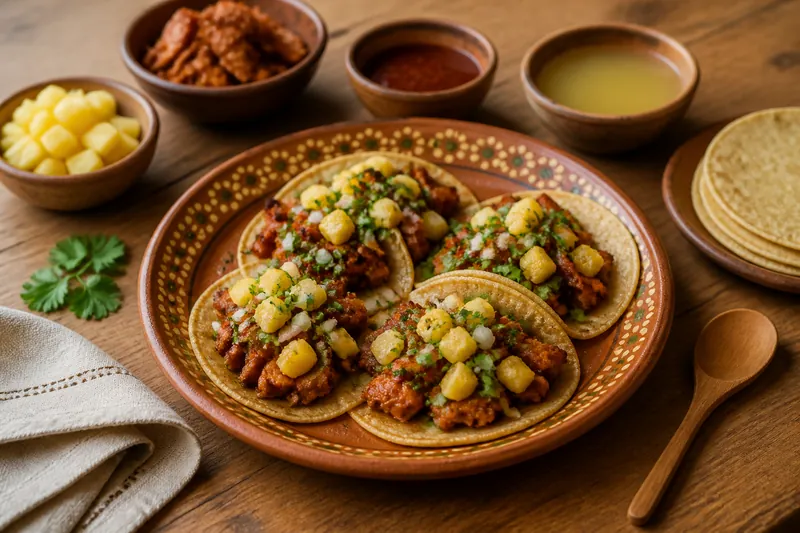 Tacos al PastorMexicanOpen the recipe →
Tacos al Pastor use marinated pork seasoned with chiles and spices, then cooked until browned and sliced for tortillas, often with onion, cilantro, and pineapple. The pork is smoky, savory, and lightly sweet, with enough acid and spice to keep each bite lively. It is worth cooking because it delivers big flavor in a compact format, and the toppings let you adjust the balance at the table. One thing to know: slice the pork thinly after cooking so it stays tender and easy to pile into tacos.
A sandwich built on contrast
 Traditional Pork Banh MiSandwichesOpen the recipe →
Traditional Pork Banh Mi brings together pork with pickled vegetables, herbs, chili, and mayonnaise in a crisp baguette. The pork may be roasted, grilled, or cured depending on the version, but it always gives the sandwich its savory core. It tastes bright, salty, and fresh, with vinegar and herbs cutting through the richness. It is worth making because every bite has crunch, acid, and fat in balance. One thing to know: the bread should be crisp outside and soft inside, so fill it just before serving.
Small dumplings, big flavor
 Classic Pork GyozaJapaneseOpen the recipe →
Classic Pork Gyoza are pan-fried dumplings filled with ground pork, cabbage, garlic, ginger, and seasonings, then steamed briefly to finish cooking. They taste savory and aromatic, with a crisp underside and a tender wrapper that gives way to juicy filling. They are worth cooking because they can be made ahead and frozen, then cooked from cold when needed. One thing to know: do not overfill the wrappers. A modest amount seals more cleanly and keeps the dumplings from bursting in the pan.
Stew with heat and tang
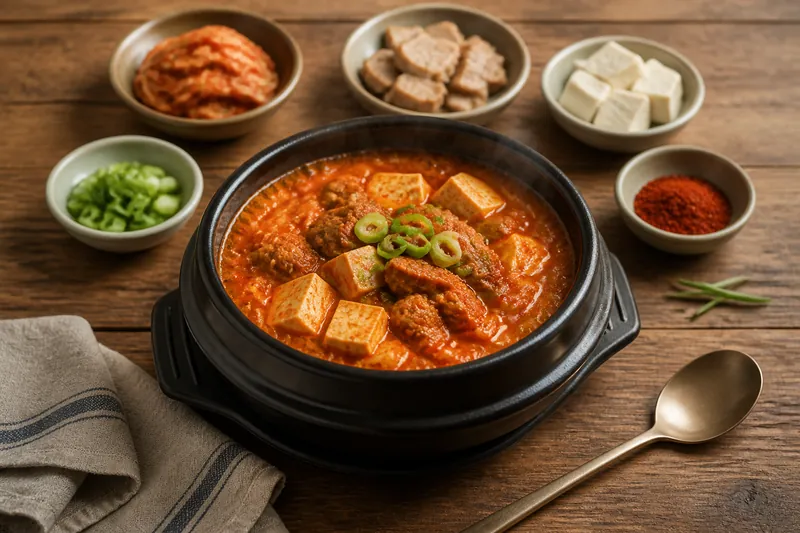 Kimchi JjigaeKoreanOpen the recipe →
Kimchi Jjigae is a Korean stew built on well-fermented kimchi and pork, simmered until the broth turns savory, spicy, and deeply flavored. The pork adds body and fat, while the kimchi brings acidity, heat, and a pronounced fermented edge. It is worth cooking because it becomes more satisfying as it simmers, and leftovers often taste even better the next day. One thing to know: use properly aged kimchi if you can. Mild kimchi will not give the stew the same depth.
Across these dishes, pork plays a different role each time: crisped, simmered, braised, grilled, or tucked into bread and dumplings. The same ingredient can carry heat, sweetness, sourness, or smoke, which is why it keeps turning up in kitchens far from home.