Chicken Dishes From India to the Sandwich Board
Ten chicken dishes, from soups and wraps to fried cutlets and curry, showing how one ingredient travels through different kitchens.
Chicken is one of the most adaptable meats in cooking. It takes on spice, cream, smoke, crumbs, and broth with equal ease, which is why so many cuisines have made it their own.
These dishes move from Indian curry to fried chicken, from the deli counter to the soup pot. They are all familiar in form, but each one has its own balance of seasoning, texture, and comfort.
Cream, spice, and a gentle smoke
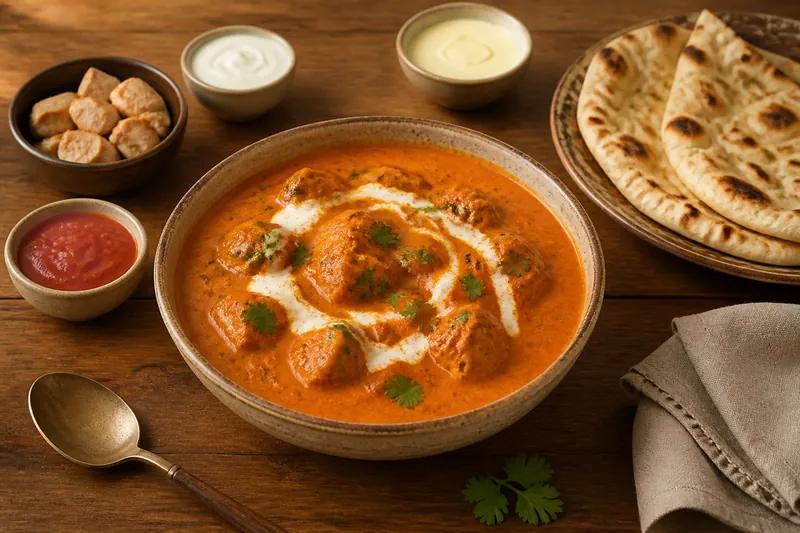
Classic Butter ChickenIndianOpen the recipe →Butter chicken is rich, tomato-based, and rounded with cream. The sauce is softly spiced rather than hot, with warm notes of garlic, ginger, and garam masala carrying the dish. It is worth cooking because it gives you a deep, finished curry without needing long simmering. Serve it with rice or flatbread and it feels complete. One thing to know before starting: the sauce benefits from careful reduction, so do not rush it or the flavors will stay thin.
Charred edges, bright spice
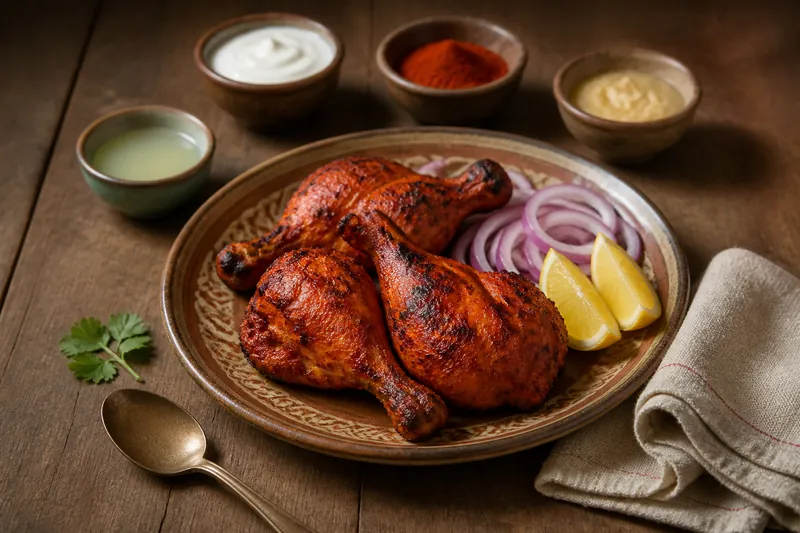 Tandoori ChickenIndianOpen the recipe →
Tandoori chicken is built on yogurt and spice, then cooked hot enough to give the surface a dark, savory crust. The flavor is earthy, tangy, and smoky, with chili, cumin, and coriander doing most of the work. It is worth making for the contrast between the crisped outside and the juicy meat inside. One thing to know before starting: the long marinating time is part of the recipe, not an optional extra, and it is what gives the chicken its depth.
Plain food with real comfort
 Homestyle Chicken Noodle SoupSoupOpen the recipe →
This is the sort of soup that tastes clear and soothing, with chicken, noodles, and vegetables in a light broth. The flavor is simple, clean, and familiar, which is exactly why it works. It is worth cooking because it comes together quickly and still feels complete enough for a meal. One thing to know before starting: keep the noodles slightly firm, since they continue to soften in the hot broth and can lose their shape if overcooked.
Caesar flavors in a portable form
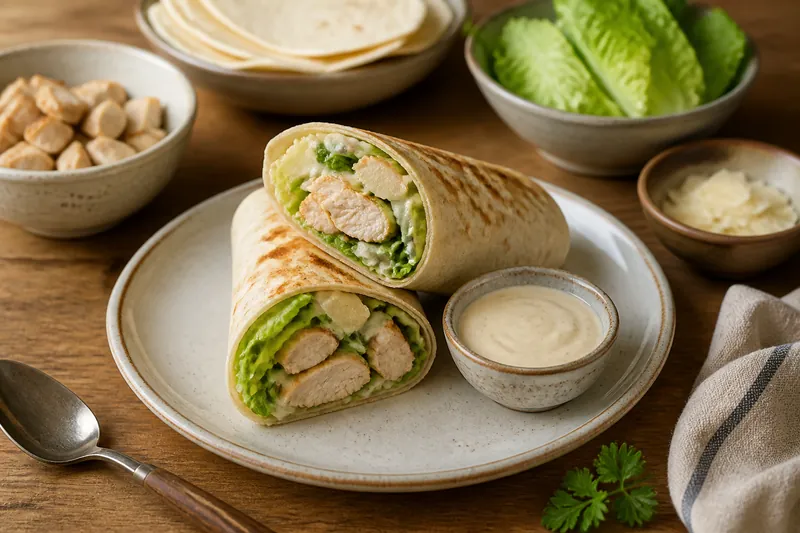 Classic Chicken Caesar WrapWrapsOpen the recipe →
This wrap takes the sharp, savory profile of Caesar salad and turns it into lunch you can hold. Chicken, crisp lettuce, Parmesan, and creamy dressing give it salt, crunch, and richness in each bite. It is worth cooking because it uses familiar ingredients well and feels both quick and substantial. One thing to know before starting: cool the chicken slightly before assembling, or the wrap can turn soft and the lettuce will lose its freshness.
A lighter take on a classic salad
 Lighter Grilled Chicken CaesarHealthy / SaladOpen the recipe →
This version keeps the Caesar idea but leans on grilled chicken and a fresher balance of leaves, dressing, and Parmesan. The flavor is still savory and creamy, but the grill adds a cleaner, more direct taste than fried or heavily dressed versions. It is worth making when you want something satisfying without much heaviness. One thing to know before starting: season the chicken well before grilling, because the salad itself is built on simple ingredients and needs that seasoning to carry it.
Layers of crunch and smoke
 Ultimate Chicken Club SandwichSandwichesOpen the recipe →
A chicken club is built in layers, usually with toasted bread, chicken, bacon, tomato, lettuce, and mayonnaise. It tastes salty, crisp, and substantial, with each layer adding texture as much as flavor. It is worth cooking because it delivers a full meal in sandwich form and makes good use of leftovers or quickly cooked chicken. One thing to know before starting: toast the bread properly, since a soft loaf will collapse under the weight of the fillings.
Thin, crisp, and sharply seasoned
 Crispy Chicken SchnitzelFried ChickenOpen the recipe →
Chicken schnitzel is pounded thin, coated in crumbs, and fried until the surface turns golden and crisp. The taste is straightforward and satisfying: mild chicken inside, a crunchy crust outside, and enough browning to give it a nutty note. It is worth cooking because it is quick, versatile, and easy to serve with salad, potatoes, or lemon. One thing to know before starting: keep the cutlets even in thickness, so they cook fast and stay tender.
Long marination, deep crust
 Classic Southern Buttermilk Fried ChickenFried ChickenOpen the recipe →
This Southern fried chicken relies on buttermilk, seasoning, and a well-fried crust for its appeal. The meat is tangy, juicy, and deeply seasoned, while the coating turns craggy and crisp. It is worth cooking because the long soak gives the chicken a distinct tenderness and the finished texture has real contrast. One thing to know before starting: the prep time matters here, since the marinating stage is what helps the seasoning reach the meat and keeps the chicken moist during frying.
Heat, crunch, and a soft bun
 Spicy Crispy Chicken BurgerBurgersOpen the recipe →
This burger brings together crisp chicken, spice, and the soft give of a toasted bun. The flavor is bolder than a plain chicken sandwich, with heat, salt, and a crunchy exterior making the main impression. It is worth cooking because it gives you the fast, layered appeal of a burger with the more substantial bite of fried chicken. One thing to know before starting: balance the spice carefully, because a hot coating can overpower the toppings if the sauce and bun are too plain.
Butter chicken with a richer finish
 Creamy Keto Butter ChickenKetoOpen the recipe →
This version keeps the familiar butter chicken profile but makes the sauce even more cream-forward and low in carbohydrates. It tastes mellow, spiced, and indulgent, with the same tomato and garam masala backbone that gives the classic its shape. It is worth cooking because it keeps the comfort of the original while fitting a different way of eating. One thing to know before starting: since it leans on cream and reduced sauce, stir gently and avoid high heat, which can cause the sauce to split.
Chicken can be humble or elaborate, quick or slow, grilled, fried, wrapped, or simmered. These dishes show how much range one ingredient has when cooks pay attention to seasoning, timing, and texture. The forms change from kitchen to kitchen, but the comfort remains the same.