8 Sudanese Dinners Under 500 Calories
From lentils to sour flatbreads and crisp salads, these Sudanese dishes make a light evening meal without losing depth or character.
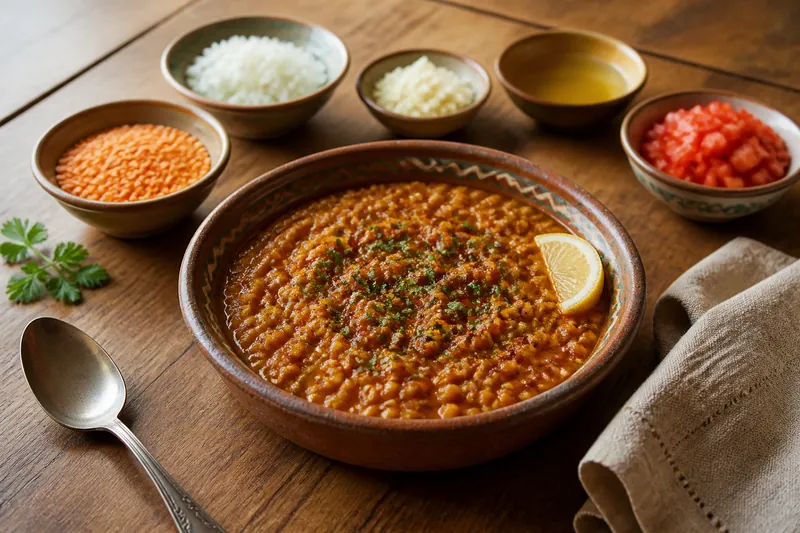
Sudanese cooking has many dishes that eat well at night without feeling heavy. Grains, lentils, vegetables, herbs, and sharply seasoned relishes do most of the work, while richer items can stay in modest portions.
The recipes below are all real Sudanese dishes, chosen for dinners that can be kept under 500 calories by serving sensible portions and pairing them simply. Some are complete plates on their own; others work best with one other dish and little else.
A simple lentil bowl with depth
AddasSudaneseOpen the recipe →Addas is a Sudanese lentil dish that sits somewhere between soup and stew. It is earthy, soft, and usually seasoned with onion, garlic, cumin, and sometimes a little tomato or chile. The appeal is in its plainness: it is filling, warm, and easy to keep light. Serve it as a modest bowl with bread or salad, and it works as a complete dinner. One thing to know is that it thickens as it stands, so keep extra water or stock nearby if you want a looser finish.
Cooked beet salad with sharp edges
 Salatat AswadSudaneseOpen the recipe →
Salatat Aswad is a Sudanese beet salad, usually built from cooked beets dressed with onion, lemon, and oil, sometimes with herbs or a little spice. It tastes clean and slightly sweet, with enough acid to keep it lively. As a dinner side, it adds color and weight without many calories, and it sits well beside lentils or flatbread. The main thing to watch is seasoning: beets need enough salt and lemon to taste like a finished salad rather than plain cooked vegetables.
The sour flatbread that carries a meal
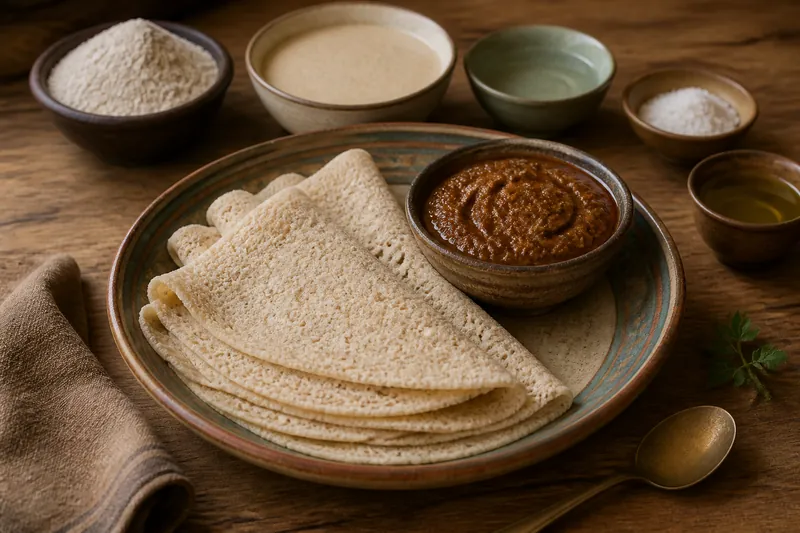 KisraSudaneseOpen the recipe →
Kisra is a thin Sudanese bread made from fermented batter, usually sorghum-based, with a tang that sets it apart from plain flatbreads. It tastes lightly sour, a little nutty, and is often used to scoop stews or salads. For a low-calorie dinner, it is useful because a small amount gives structure to a meal without much energy on the plate. The one thing to plan for is time: the batter needs long fermentation, so this is not a same-day recipe.
Fresh tomato relish for bread and stew
 Salatat DakwaSudaneseOpen the recipe →
Salatat Dakwa is a raw Sudanese salad or relish, usually built from tomatoes, onions, herbs, and a sharp dressing. It tastes bright, juicy, and piquant, with enough bite to wake up milder foods like lentils or bread. Because nothing needs to be cooked, it is one of the easiest ways to make a dinner feel complete while keeping calories low. The key is texture: chop everything finely enough that the dressing coats it well, and make it close to serving so the tomatoes stay fresh.
Soft vegetable mash with a light hand
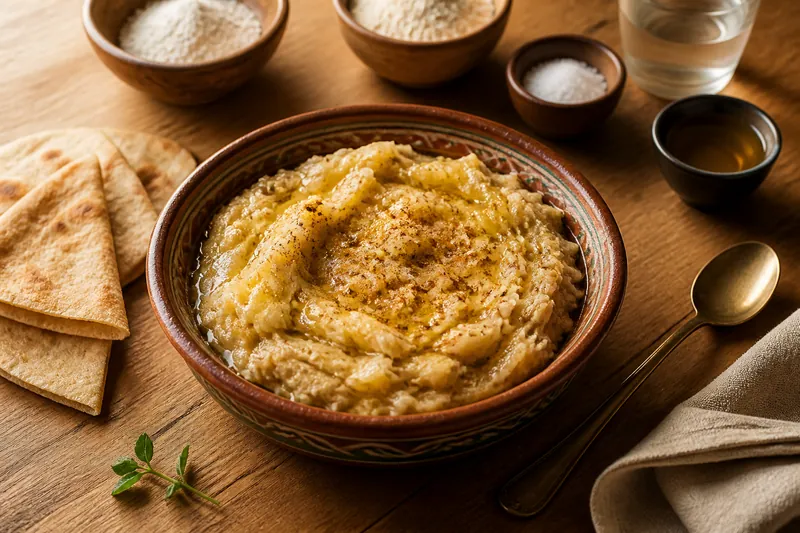 MoukhbazaSudaneseOpen the recipe →
Moukhbaza is a Sudanese cooked vegetable dish that is usually mashed or softened into a thick, spoonable mixture. It tends to be savory, gentle, and satisfying rather than highly spiced, which makes it useful as a light dinner base. Depending on the version, it may lean on tomatoes, onions, or other vegetables for body and flavor. It is worth cooking because it stretches simple ingredients well. Keep the texture in mind: it should be soft but not watery, so cook off enough moisture before serving.
Herby breakfast food that can stand in at dinner
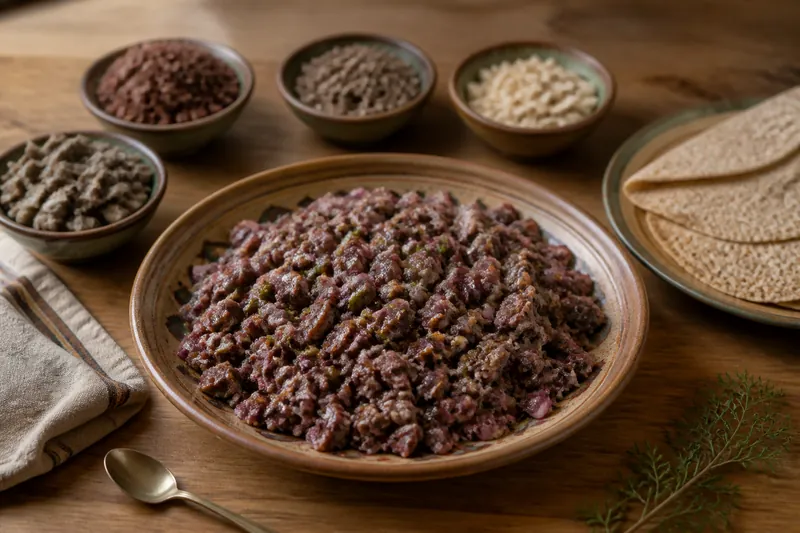 MararaSudaneseOpen the recipe →
Marara is a Sudanese herb-and-vegetable preparation that is usually eaten as a savory, lightly dressed mix rather than a cooked dish. It is fresh, green, and pungent, with a texture that depends on careful chopping and mixing. As a dinner, it works best in a small portion alongside Kisra or a lentil dish, where its sharpness cuts through the rest of the plate. Since there is no cooking, the main work is in the prep: wash and dry the greens well so the mixture does not turn watery.
A soft bread best used in modest pieces
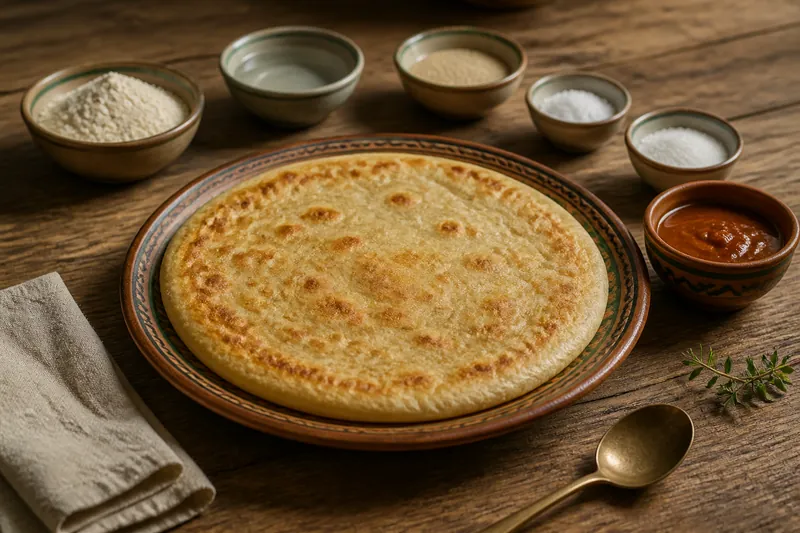 GurasaSudaneseOpen the recipe →
Gurasa is a Sudanese bread with a tender, pancake-like crumb and a mild wheat flavor. It is comforting and useful, but it can raise the calories in a meal quickly if portions run large. That is why it works here as an accent rather than the center of the plate. Serve a small piece with Addas or a salad instead of using it as a full meal on its own. The main thing to know is that the dough and shaping take time, so plan ahead if you want it for dinner.
A sesame sweet best kept to a spoonful
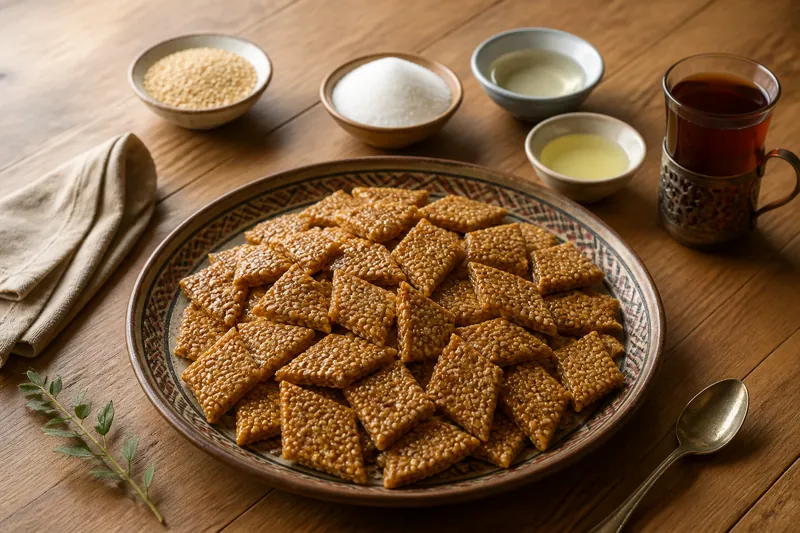 Halawat SimsimSudaneseOpen the recipe →
Halawat Simsim is a Sudanese sesame sweet, rich with toasted seed flavor and usually bound into a confection with sugar or syrup. It is nutty, dense, and fragrant, and it earns a place here only in very small portions. For a dinner under 500 calories, think of it as a finish after a light main rather than part of the main course. One thing to know is that sesame sweets are energy-dense, so slice it thin and serve it with fruit or tea, not alongside another rich dessert.
For a light Sudanese dinner, the easiest path is to build around lentils, salad, and bread in small amounts. Let the sharper dishes do the work, and keep the sweet sesame dish for a rare small finish.