Eight Korean Dinners Under 500 Calories
These Korean dinners keep portions modest, lean on broth, vegetables, or eggs, and can fit a weeknight meal without feeling thin.
Korean food gives you a lot of dinner options that are filling without being heavy. Brothy stews, vegetable-studded noodles, and simple egg dishes can all stay under 500 calories with sensible portions.
The recipes below are all worth cooking for different reasons: some are quick, some are comforting, and some are better known as snacks or sides but work well as a light evening meal.
A sharp, warming stew
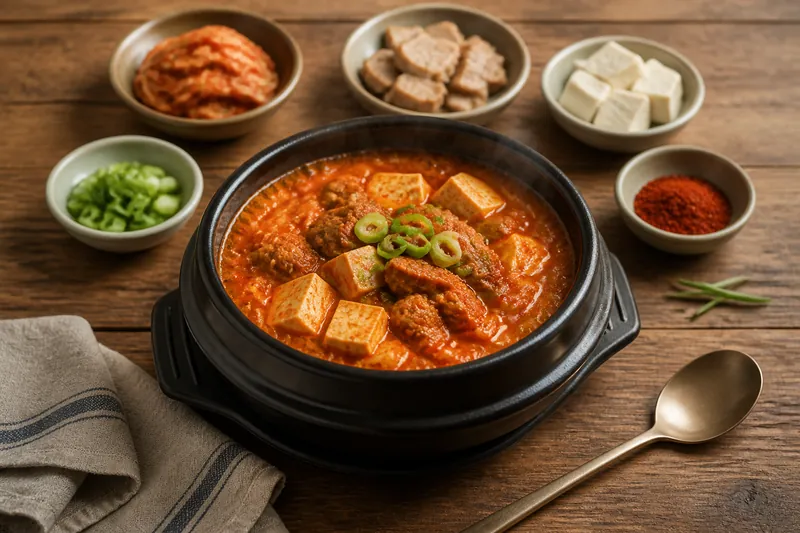
Kimchi JjigaeKoreanOpen the recipe →Kimchi jjigae is a sour, spicy stew built on well-fermented kimchi, often with tofu and a little pork or tuna. It tastes deep and brisk at the same time, with heat that softens as it simmers. That balance makes it one of the most satisfying low-calorie Korean dinners, especially with a small bowl of rice. The broth does most of the work, so you do not need much fat to get good flavor. One thing to know: older kimchi gives the best result, because it breaks down into the stew and seasons the pot properly.
Noodles with color and balance
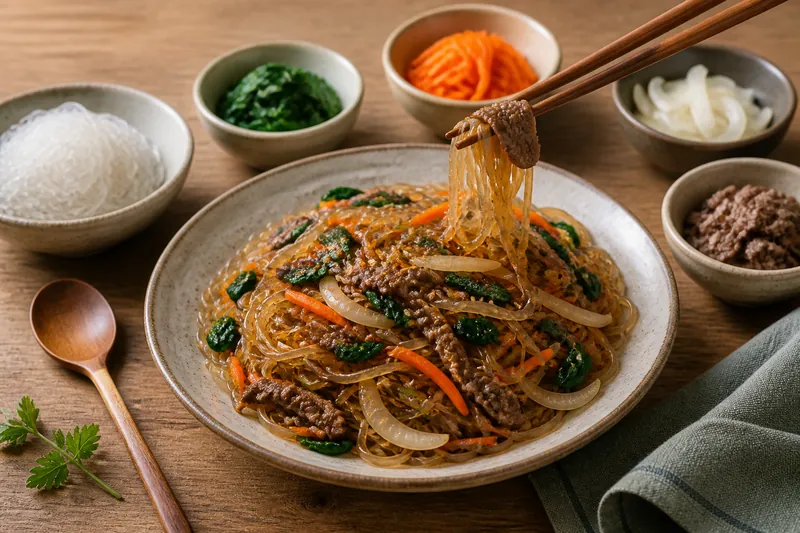 JapchaeKoreanOpen the recipe →
Japchae is a tangle of sweet potato noodles tossed with vegetables, soy sauce, sesame oil, and often a little beef or egg. The noodles have a springy, glossy texture and carry flavor well without needing a heavy sauce. It is worth cooking when you want something complete but still light enough for dinner. The dish feels rich from sesame oil, but the calories stay manageable if you keep the oil measured and load up the vegetables. One thing to know: the noodles can turn gummy if they sit too long, so serve japchae soon after tossing.
Savory soybean stew
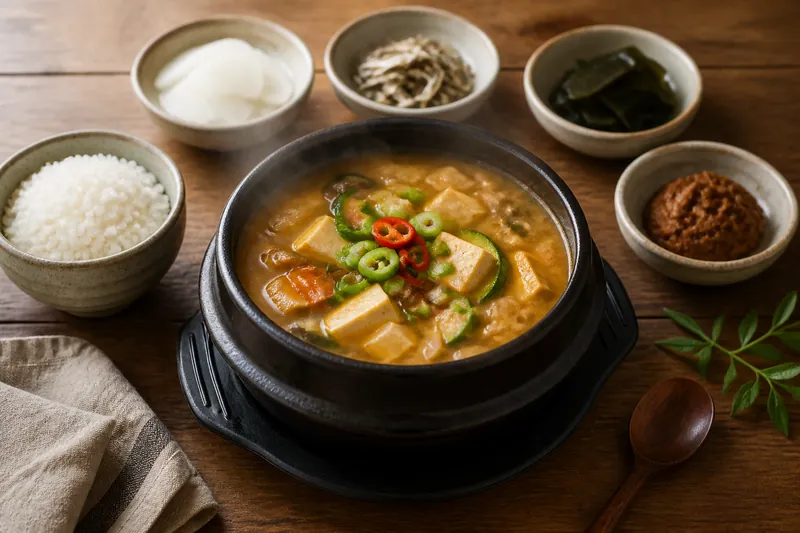 Doenjang JjigaeKoreanOpen the recipe →
Doenjang jjigae is made with fermented soybean paste, which gives the broth a salty, earthy depth. It often includes tofu, zucchini, potato, onion, and mushrooms, so it eats like a full meal even though it is broth-based. The flavor is less sharp than kimchi jjigae and more rounded, with a steady, savory finish. That makes it a good dinner when you want warmth without too much richness. One thing to know: doenjang varies a lot by brand and batch, so taste the broth before salting further.
Soft eggs for a light meal
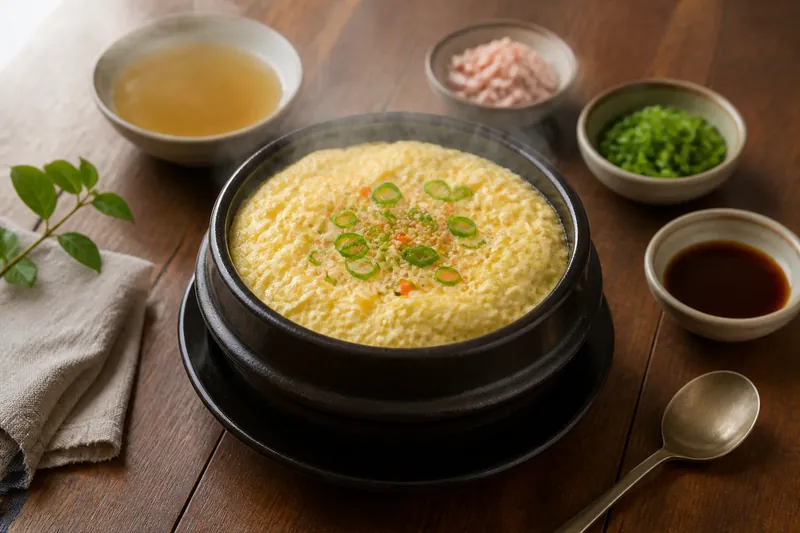 Gyeran-jjimKoreanOpen the recipe →
Gyeran-jjim is Korean steamed eggs, cooked until they puff and set into a delicate custard. The flavor is gentle, buttery, and clean, with scallions or a little sesame oil adding the main seasoning. It works as a light dinner on its own, especially with kimchi or a simple vegetable side, and it is one of the easiest Korean dishes to keep under 500 calories. The appeal is in the texture: smooth, airy, and comforting. One thing to know: cook it over low heat and watch it closely, or the eggs will tighten and turn spongy.
Sweet-savoury meat in a small portion
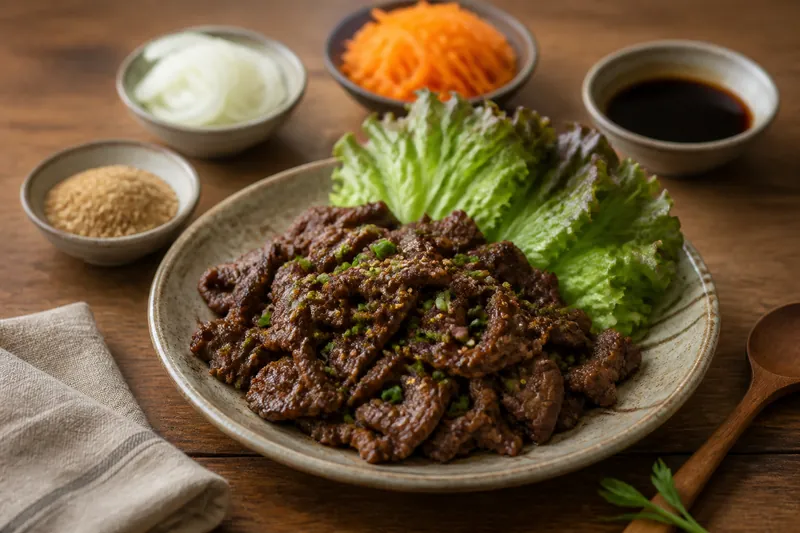 Beef BulgogiKoreanOpen the recipe →
Beef bulgogi is thinly sliced beef marinated in soy sauce, garlic, sesame oil, onion, and a little sweetness, then cooked quickly over high heat. It tastes savory and lightly caramelized, with enough marinade to make a small serving feel complete. For a dinner under 500 calories, the key is portion size and what you serve alongside it: lettuce, scallions, and vegetables keep the plate balanced. One thing to know: the beef cooks very fast, so have the pan hot and the vegetables ready before you start.
Smooth pumpkin porridge
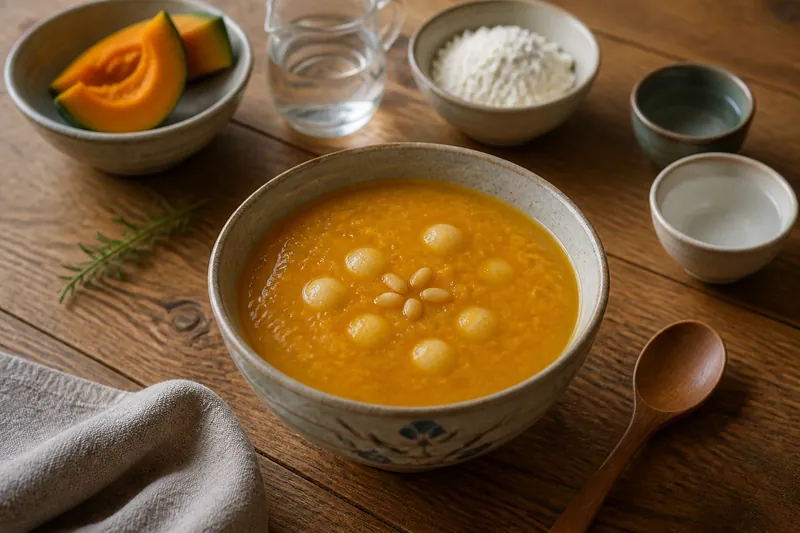 HobakjukKoreanOpen the recipe →
Hobakjuk is a thick pumpkin porridge that is naturally gentle, lightly sweet, and soothing. It can be served as a light dinner when you want something warm but not heavy, and it stays satisfying because the texture is creamy without needing much cream. Some versions include rice flour or glutinous rice for body, which helps the bowl feel more substantial. It is worth cooking when you want an easy meal for cooler nights. One thing to know: the pumpkin needs to be cooked until fully soft before blending or mashing, or the porridge will not turn silky.
Chewy rice cakes, lighter portion
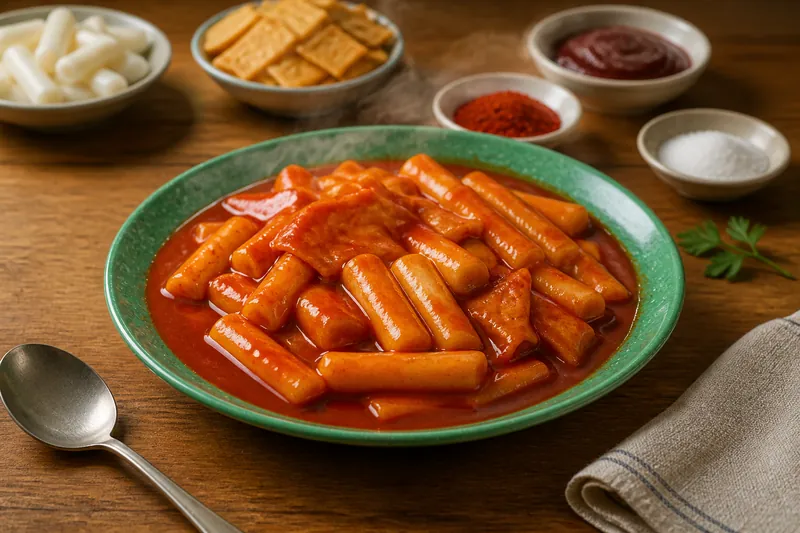 TteokbokkiKoreanOpen the recipe →
Tteokbokki is usually known as a snack, but a modest bowl can work as a dinner if you keep the portion small and add vegetables or egg. The rice cakes are chewy and satisfying, and the sauce is sweet, spicy, and thick with gochujang. It is worth making when you want bold flavor from a short ingredient list. The calorie count climbs quickly if you overdo the rice cakes, fish cakes, or added cheese, so restraint matters. One thing to know: the sauce thickens as it cooks, so add a little water if it reduces before the rice cakes are tender.
Best kept as a small finish
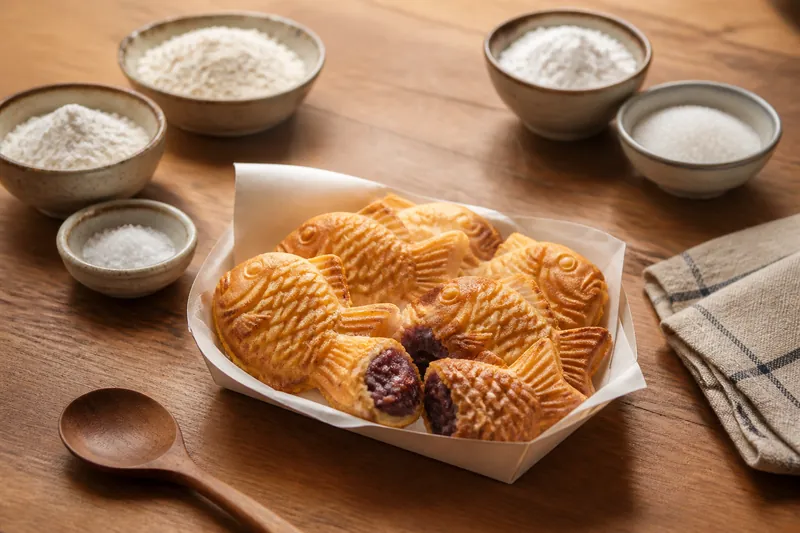 BungeoppangKoreanOpen the recipe →
Bungeoppang is a fish-shaped pastry traditionally filled with sweet red bean paste, though some versions use custard or other fillings. It is crisp outside and soft inside, with a gentle sweetness rather than a heavy dessert flavor. As a dinner item under 500 calories, it works best as a modest end to a lighter meal, not as the main event. It earns a place here because the portion is naturally small and controlled. One thing to know: the batter needs a hot mold and quick handling, or the pastry will not brown properly and can turn pale and soft.
The easiest way to keep Korean dinners under 500 calories is to lean on broth, vegetables, and small portions of rice or noodles. These dishes do that in different ways, from stews and porridge to quick noodles and a restrained sweet finish.