Six Kenyan Dishes That Feed Six or More People
These Kenyan dishes scale well for a table of six or more, from snack platters to shared breads and sweets.
Kenyan cooking has many dishes meant for passing around, piling high, and eating with your hands. Some are everyday snacks, some belong at tea time, and some sit at the center of a larger meal.
The six here all make sense when you are feeding a group. They are practical, generous, and best cooked with enough time to let dough rest, batter ferment, or fillings cool before shaping.
Small fritters with a syrup finish
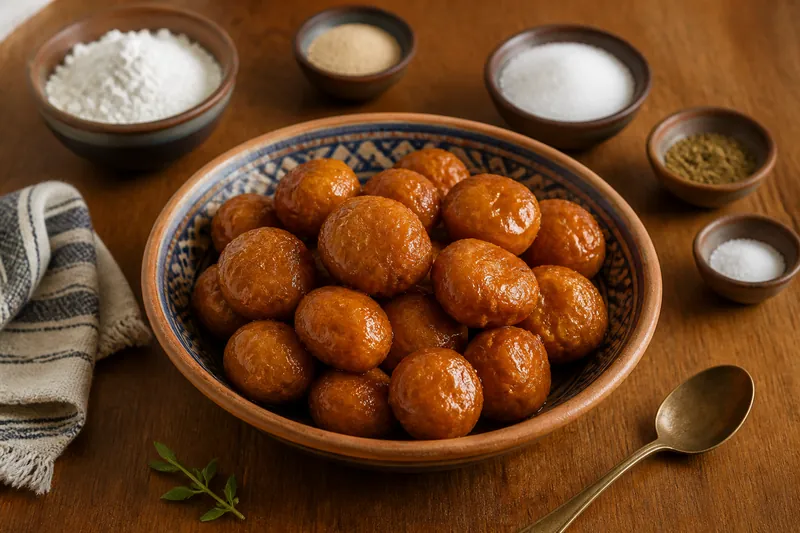
KaimatiKenyanOpen the recipe →Kaimati are small dough fritters, crisp outside and soft within, then dipped or coated in syrup. They taste sweet and slightly spiced, with a simple richness that suits tea or dessert. For a group, they are useful because the pieces are bite-size and easy to portion. They also hold well for a while after cooking. The main thing to know is that the syrup should be ready before the fritters come out of the oil, so they can be coated while still warm and absorb the glaze properly.
Quick coconut sweets for a crowd
 KashataKenyanOpen the recipe →
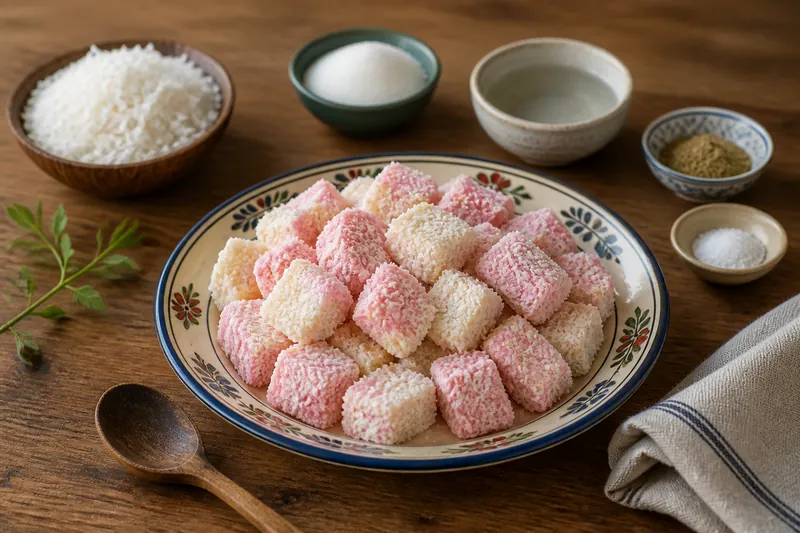
Kashata is a hard, chewy sweet made from coconut, sugar, and often a little spice or nut. It has a toasted, caramelized flavor and a dense bite that makes it very different from soft cake-style sweets. It feeds many because it is usually cut into small pieces and can be served after a meal or with tea. It is also one of the simplest items here. Watch the sugar closely: once it reaches the right stage, it can turn from golden to bitter fast, so have your tray or surface ready before cooking starts.
Filled pastries that work as a meal
 Kenyan Beef SamosaKenyanOpen the recipe →
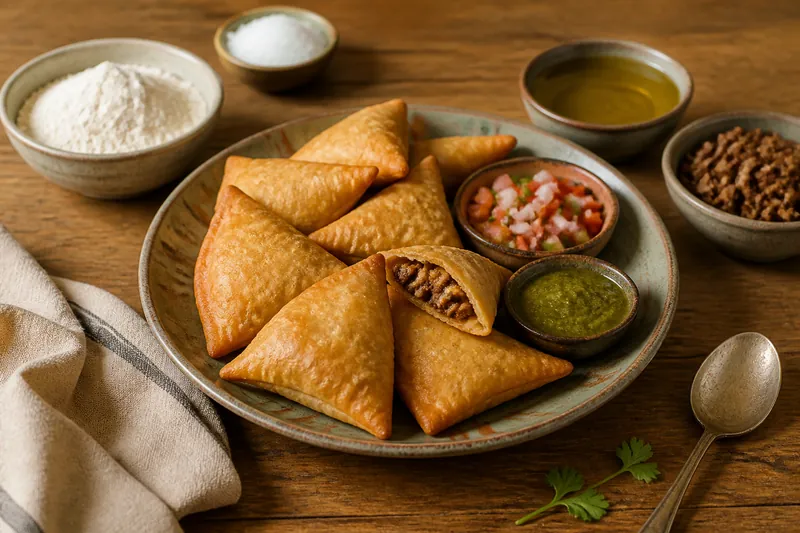
Kenyan beef samosa is crisp pastry wrapped around a seasoned meat filling, usually with onion, garlic, herbs, and warm spice. The result is savory, juicy, and deeply satisfying. It belongs on a table of six or more because it can be made in batches, frozen before frying, and served with chutney or tea. The filling must be cool before wrapping, or the pastry softens and tears. If you want neat triangles, keep the wrappers covered so they do not dry out while you work.
Soft flatbread for scooping and sharing
 Kenyan ChapatiKenyanOpen the recipe →
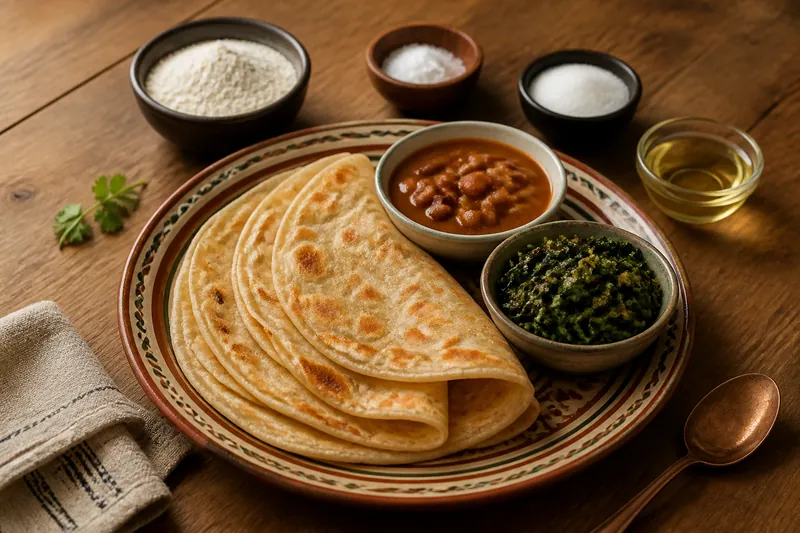
Kenyan chapati is a layered flatbread with a tender, slightly chewy texture and a rich flavor from oil or ghee. It is one of the most useful dishes for feeding a group because it goes with stews, beans, meat, or vegetables, and it stretches the rest of the meal. Good chapati should have soft layers, not be stiff or dry. The dough needs time to rest, and the rolling matters: too much flour or too little fat will stop the layers from forming well.
Tea-time pastries that fill the tray
 MandaziKenyanOpen the recipe →
Mandazi are lightly sweet fried pastries, often scented with cardamom or coconut milk, and sometimes shaped as triangles or rounds. They are airy but substantial, with a faintly sweet flavor that suits breakfast or afternoon tea. They feed a crowd well because the dough makes many pieces and they are easy to stack on a platter. The dough should not be rushed; resting gives a better texture. Keep the oil at a steady medium heat, or the outside will brown before the center is cooked through.
Rice cakes with a crisp edge
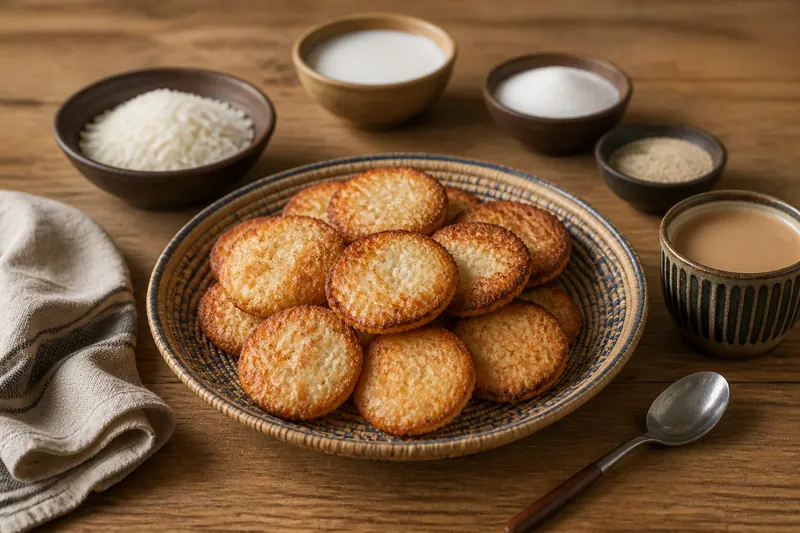 VitumbuaKenyanOpen the recipe →
Vitumbua are small rice cakes, usually made from soaked and fermented rice or rice flour, coconut milk, and sometimes cardamom. They taste gently sweet, with a light tang from fermentation and a crisp edge from the pan. They are worth cooking for a group because they make a generous breakfast or snack and can be cooked in batches in a special pan or skillet. The one point to plan for is time: soaking and fermenting are part of the recipe, and the batter works best when it has developed flavor and bubbles before cooking.
Taken together, these dishes show how Kenyan cooking feeds a table without fuss. Some are best warm from the pan, others can wait, but all of them reward making enough to share. For six or more, that is the point.