Ten Vietnamese Dishes That Define the Cuisine
From street snacks to holiday staples, these dishes show the range of Vietnamese cooking in texture, broth, rice, herbs, and careful seasoning.
Vietnamese cooking is built on contrast: crisp against soft, fresh herbs against rich broth, rice against pork, shrimp, or beef. The best-known dishes are often modest in appearance but exacting in balance.
These ten dishes span breakfast, snacks, special-occasion foods, and full meals. Some are quick to cook, others ask for time and patience, but each shows a clear part of the cuisine’s character.
The sandwich with a sharp, salted balance
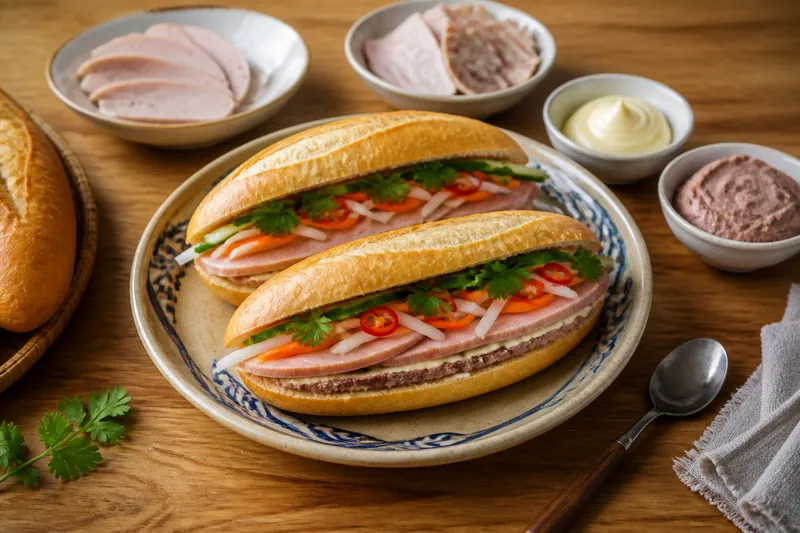
Bánh Mì Thịt NguộiVietnameseOpen the recipe →Bánh Mì Thịt Nguội is the cold-cut baguette sandwich that many people meet first when they think of Vietnamese food. It combines a light, crisp loaf with slices of cured meats, pâté, pickled vegetables, cucumber, herbs, and a little chile. The appeal is the balance: salty, tangy, fresh, and rich, all in one bite. It is worth making because the filling needs little cooking, yet the finished sandwich feels complete. One thing to know is that the bread matters as much as the filling; it should be light and crisp, never dense.
Silky rice rolls with a soft, savory center
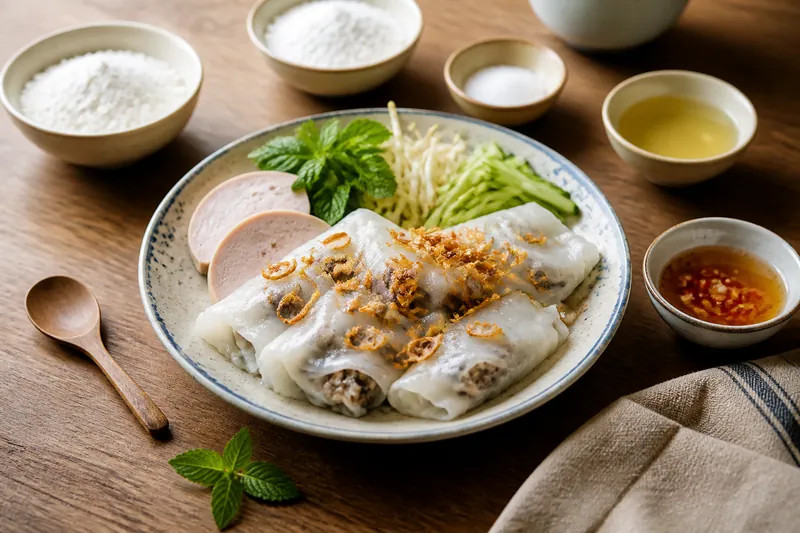 Bánh cuốnVietnameseOpen the recipe →
Bánh cuốn are delicate steamed rice sheets rolled around seasoned pork and mushrooms, then served with herbs, fried shallots, and dipping sauce. The texture is the point: tender, slippery, and faintly chewy, with a savory filling that stays restrained rather than heavy. They are worth cooking for the precision of the result and the way they show how elegant simple rice batter can be. One thing to know before starting is that the batter has to be thin enough to spread cleanly and the steaming surface must be well prepared, or the sheets tear.
A crisp crepe built for herbs and dipping
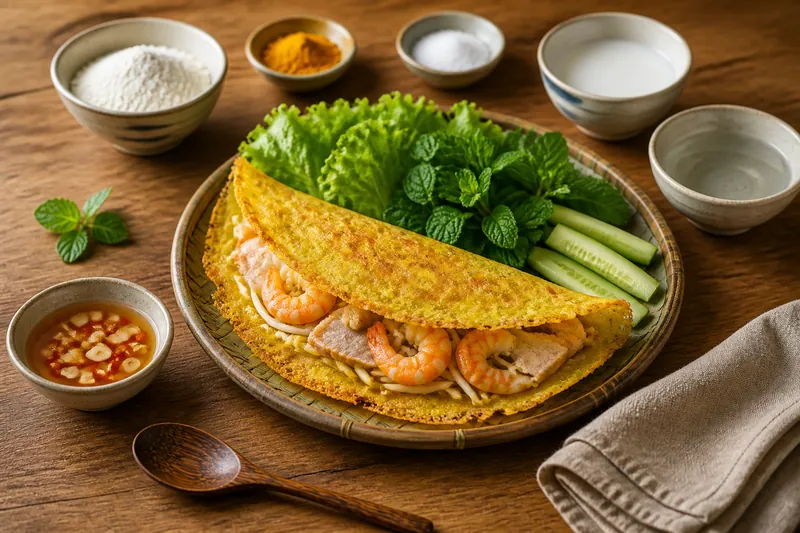 Bánh xèoVietnameseOpen the recipe →
Bánh xèo is a turmeric rice-flour crepe, often filled with shrimp, pork, and bean sprouts. It cooks to a lacy, brittle edge with a softer center, which makes the first crack of the fold part of the pleasure. Eaten with lettuce and herbs, then dipped in nước chấm, it tastes bright, savory, and a little smoky from the pan. It is worth making because the contrast of crisp shell and fresh greens is immediate and satisfying. One thing to know is that the batter should be thin and the pan hot enough to set quickly.
The square rice cake of Lunar New Year
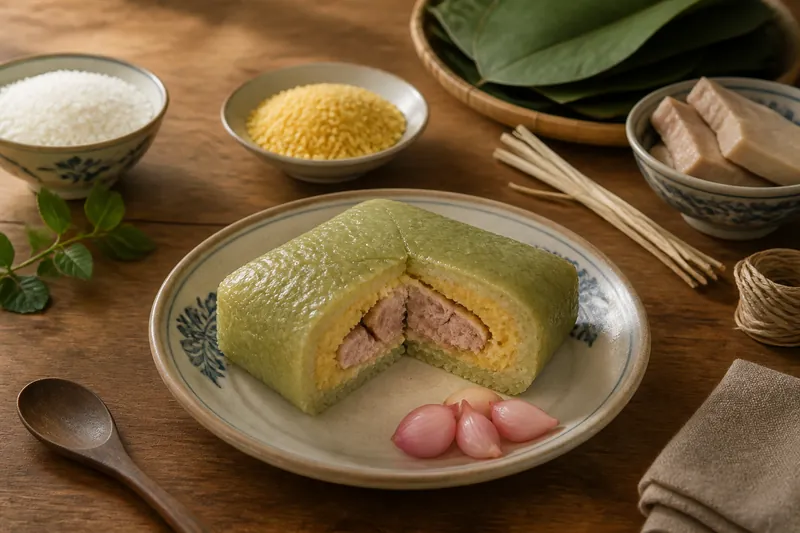 Bánh chưngVietnameseOpen the recipe →
Bánh chưng is a dense square cake of glutinous rice, mung beans, and pork wrapped in leaves and boiled for hours. It is one of the most symbolic foods in Vietnam, especially for Tết, and it tastes as substantial as it looks: gently fatty, faintly grassy, and deeply rice-forward. It is worth cooking because it is both food and ritual, a dish that holds family labor and tradition together. One thing to know before starting is that the long wrap and boil are not optional; the cake depends on tight packing and steady cooking.
Small steamed cakes with a concentrated topping
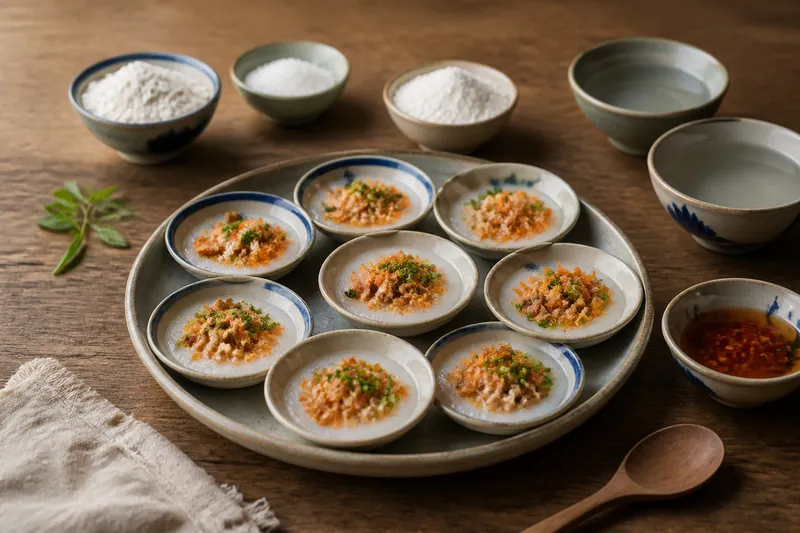 Bánh bèoVietnameseOpen the recipe →
Bánh bèo are little steamed rice cakes served in shallow dishes and topped with shrimp, scallions, fried shallots, and sometimes crisp pork skin or breadcrumbs. They are soft, pale, and understated, with much of the flavor coming from the savory topping and the fish sauce poured over at the table. They are worth cooking because they show how Vietnamese cuisine can make a few inexpensive ingredients feel complete. One thing to know is that the batter must be light and the portions small; the cakes should steam into tender puddles, not thick pancakes.
The rolled rice cake for celebrations
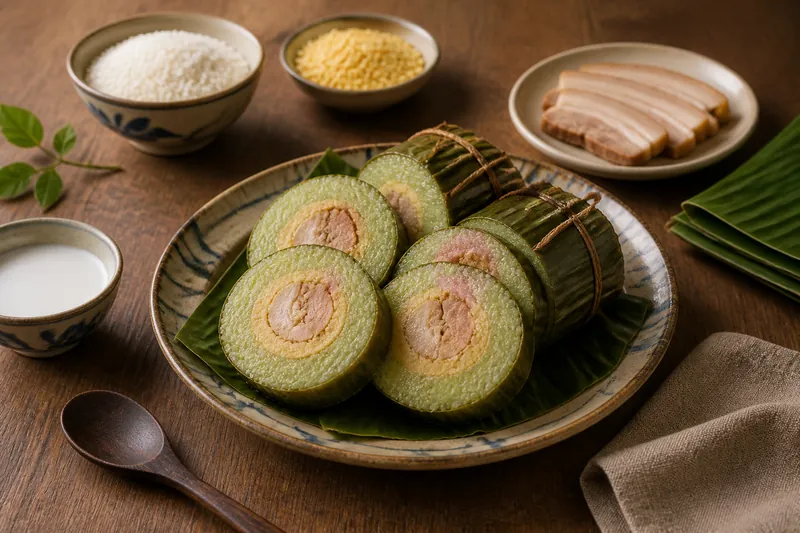 Bánh tétVietnameseOpen the recipe →
Bánh tét is a cylindrical cousin of bánh chưng, made from glutinous rice wrapped around mung beans and pork, then bundled in leaves and boiled. In texture it is firm, sticky, and rich, with a clean rice sweetness that offsets the savory filling. It is worth cooking because it slices neatly into rounds and carries the same festive significance as other holiday rice cakes. One thing to know is that the cylinder must be wrapped and tied tightly; loose packing leads to uneven cooking and a cake that falls apart when cut.
Quick-seared beef with a peppery finish
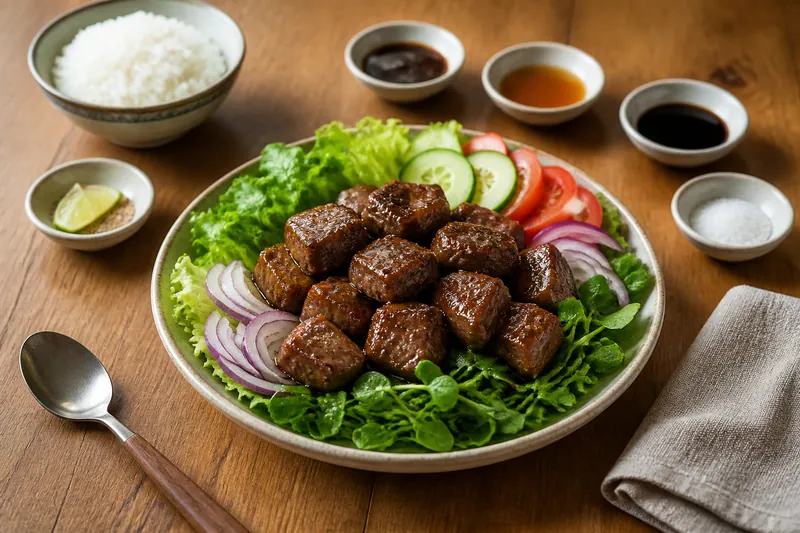 Bò Lúc LắcVietnameseOpen the recipe →
Bò Lúc Lắc, often called shaking beef, is a dish of marinated beef cubes quickly seared until browned outside and still tender inside. It is usually served with watercress or lettuce, tomatoes, onions, and rice. The flavor is direct: savory beef, black pepper, soy, and a little sweetness from the marinade. It is worth cooking because it gives a restaurant-style result in little time, provided the beef is cut well. One thing to know before starting is that the pan should be very hot so the meat browns instead of steaming.
Layered dessert with a gentle sweetness
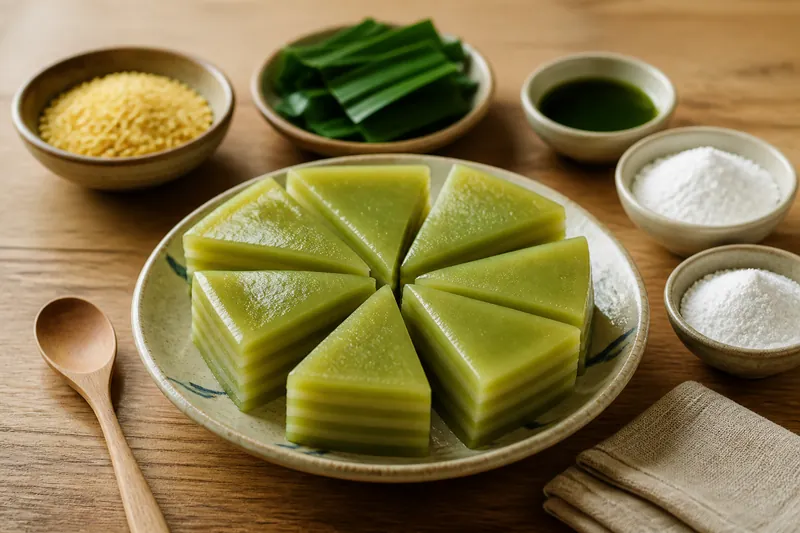 Bánh Da LợnVietnameseOpen the recipe →
Bánh Da Lợn is a steamed layered cake made with rice flour, tapioca starch, mung beans, and pandan or other flavorings. The layers are soft, springy, and slightly elastic, with a sweetness that stays mild rather than cloying. It is worth making because the striped slices are as appealing as the texture, and the dessert is unlike most Western cakes. One thing to know is that the layers must be poured and steamed in sequence with care; if the timing is off, they blend together or cook unevenly.
Chewy dumplings with a clean shrimp filling
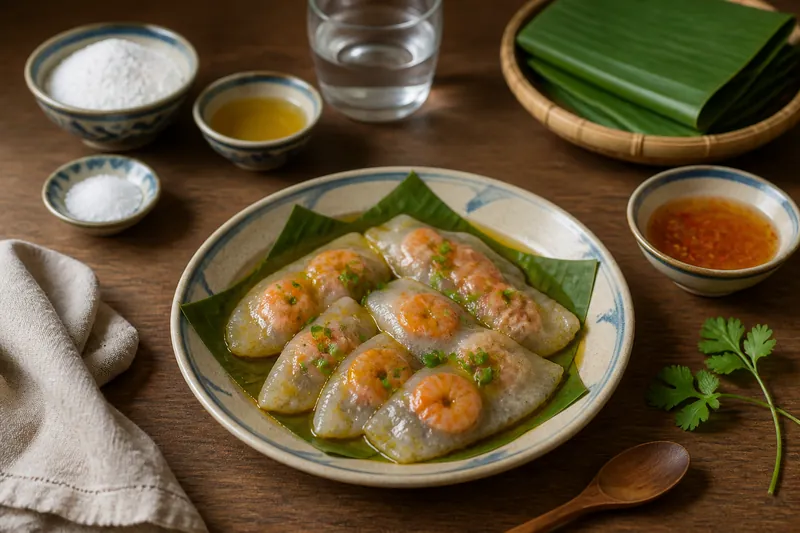 Bánh bột lọcVietnameseOpen the recipe →
Bánh bột lọc are translucent tapioca dumplings, usually filled with shrimp and pork, then steamed or boiled and served with fish sauce. They are glossy, springy, and pleasantly chewy, with a filling that is savory but not heavy. Their appeal lies in texture as much as taste; every bite is elastic before it gives way to the sweet shrimp and pork. They are worth cooking because they are distinctive and satisfying in a way few dumplings are. One thing to know is that tapioca dough behaves differently from wheat dough and can become sticky or tough if handled too long.
Thick noodles in a crab-rich broth
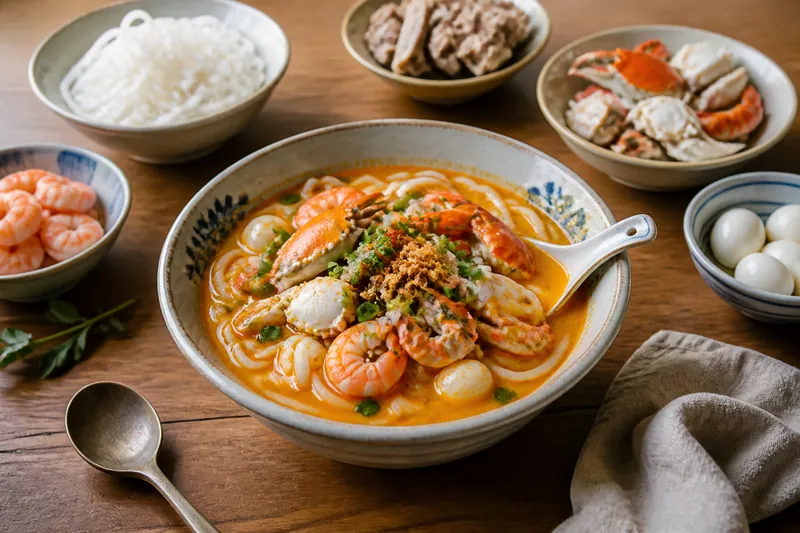 Bánh Canh CuaVietnameseOpen the recipe →
Bánh Canh Cua is a bowl of thick, chewy noodles in a crab-based soup, often with prawns, pork, and quail egg. The broth is usually rich, slightly thickened, and deeply savory, with the sweetness of crab sitting at the center. It is worth cooking because it feels substantial without being heavy, and the noodle texture gives the bowl real presence. One thing to know is that the broth needs enough attention to develop body; if it is thin, the dish loses what makes it distinctive.
Taken together, these dishes show how Vietnamese cooking moves between crisp and tender, festive and everyday, humble and precise. A few are built for the table within minutes; others ask for a day’s work. Each one depends on balance more than ornament.