Ten Soup Dishes From Around the World Worth Cooking
From clear broths to thick winter bowls, these soup dishes show how different kitchens build comfort, depth, and a meal in one pot.

Soup is one of the easiest ways to see a cuisine clearly. A few ingredients, a little time, and a pot on the stove can tell you a great deal about how a place eats.
These ten dishes are worth cooking because each one has a distinct balance of flavor, texture, and purpose. Some are quick weeknight soups, others ask for slow browning or careful seasoning, but all repay the work.
The clean, familiar bowl
Homestyle Chicken Noodle SoupSoupOpen the recipe →This is the kind of chicken noodle soup built for comfort: light broth, tender chicken, soft vegetables, and noodles that soak up flavor without taking over. It tastes straightforward in the best sense, with enough savor from the stock and herbs to feel complete. It is worth cooking because it is fast, economical, and useful any night you need something warm and plain in the right way. One thing to know: add the noodles near the end so they stay intact and do not turn the broth cloudy and starchy.
Simple, salty, and deeply balanced
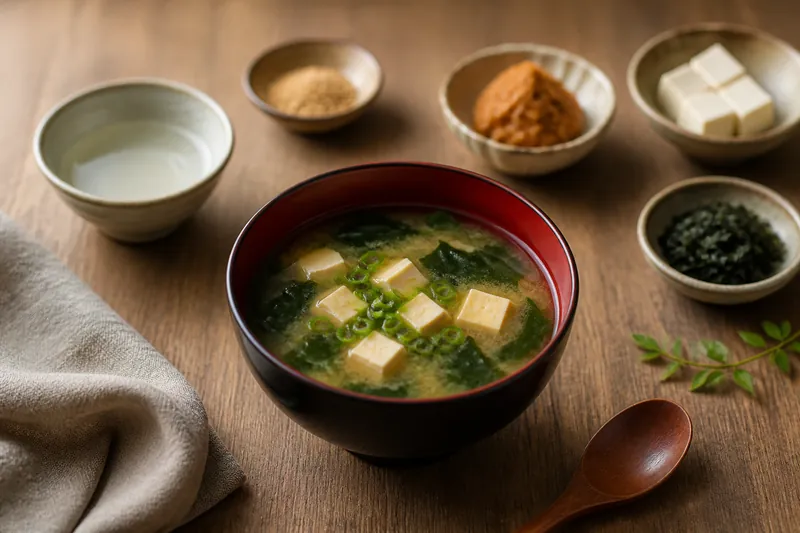 Traditional Miso SoupSoupOpen the recipe →
Miso soup is quiet but exact. The broth is savory and clean, with fermented miso giving it depth, while tofu, seaweed, and scallions add softness and lift. It is worth cooking because it teaches restraint: very little is needed if each ingredient is right. The flavor should be warm and round, not heavy. One thing to know before starting is that miso should not be boiled hard, or its aroma can flatten. Dissolve it gently at the end and keep the heat low.
Slow onions, deep sweetness
 Classic French Onion SoupFrenchOpen the recipe →
French onion soup is built on patiently browned onions, which turn sweet, dark, and almost silky after enough cooking. The broth is rich and savory, often finished with toasted bread and melted cheese that form a cap over the bowl. It is worth cooking because so much flavor comes from a small list of ingredients and time rather than complication. The main thing to know is that the onions need proper browning; rushing them leaves the soup flat, while patience gives it the depth it needs.
Sharp, hot, and fragrant
 Tom Yum Goong (Spicy Shrimp Soup)ThaiOpen the recipe →
Tom Yum Goong is a bright Thai soup with shrimp, lemongrass, lime, chilies, and often mushrooms. It tastes sharp, spicy, citrusy, and fragrant at once, with a broth that wakes the palate instead of coating it. It is worth cooking because it delivers a lot of character in little time, and it shows how acidity and heat can make a soup feel lively. One thing to know: aromatics like lemongrass and galangal need simmering to give flavor, but the shrimp should cook briefly so they stay tender.
Bright, earthy, and filling
 Zesty Tomato and Lentil SoupMediterraneanOpen the recipe →
This soup brings together tomatoes and lentils in a way that feels both fresh and substantial. The tomatoes give acidity and color, while the lentils soften into a thick, earthy base that tastes fuller than its short ingredient list suggests. It is worth cooking because it is affordable, nourishing, and easy to make in a single pot. One thing to know is that lentils should be checked for tenderness toward the end, since older lentils can take longer than expected and can thicken the pot more than you want.
A vegetable soup with structure
 Hearty Italian MinestroneSoupOpen the recipe →
Minestrone is flexible, but its best versions have a clear sense of order: onion, celery, carrot, beans, pasta or rice, and enough broth to tie everything together. The taste is savory, vegetal, and slightly sweet, with a satisfying mix of soft and firm textures. It is worth cooking because it turns pantry ingredients into a complete meal and welcomes whatever seasonal vegetables you have. One thing to know is to add quicker-cooking ingredients later, especially pasta, so the soup stays brothy instead of becoming a thick stew.
Silky lentils with gentle spice
 Mercimek Çorbası (Red Lentil Soup)TurkishOpen the recipe →
Mercimek çorbası is a smooth Turkish red lentil soup, often finished with butter, paprika, or mint. Its flavor is mellow and satisfying, with the lentils giving body and the seasonings adding warmth rather than heat. It is worth cooking because it is inexpensive, quick, and comforting without feeling heavy. The texture should be creamy enough to coat a spoon, but not pasty. One thing to know before starting is that red lentils cook fast and break down easily, so the soup needs occasional stirring and enough liquid to keep it loose.
Egg, lemon, and broth in balance
 Avgolemono SoupGreekOpen the recipe →
Avgolemono is a Greek soup known for its silky, pale broth made by whisking eggs and lemon into stock, often with rice or orzo and sometimes chicken. It tastes bright, rich, and gently tangy, with a texture that feels smoother than a simple broth. It is worth cooking because it turns a few basic ingredients into something elegant and restorative. One thing to know is that the egg-lemon mixture must be tempered carefully with hot broth before it goes back into the pot, or the soup can curdle.
Bold, fermented, and warming
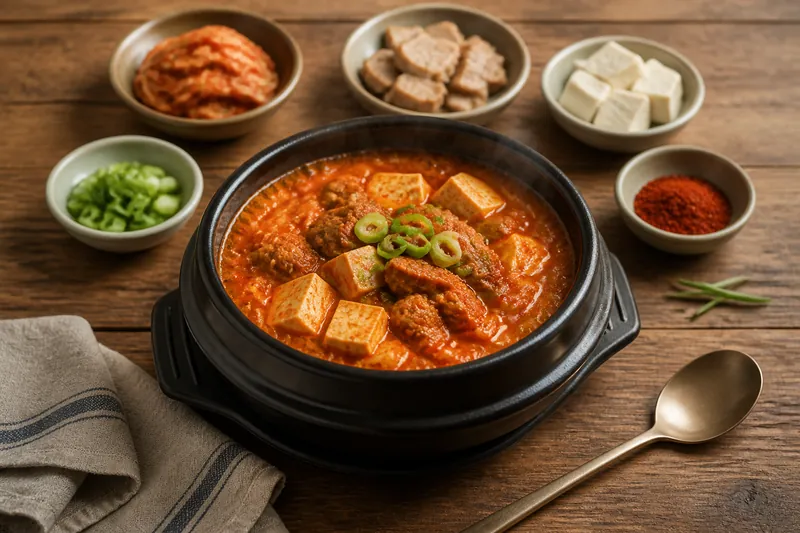 Kimchi JjigaeKoreanOpen the recipe →
Kimchi jjigae is a Korean stew-like soup built around kimchi, often with pork, tofu, and broth. It tastes sour, spicy, savory, and deeply seasoned, with the kimchi bringing both heat and fermentation. It is worth cooking because it uses mature kimchi at its best, turning sharpness into a full, warming dish. One thing to know is that older, well-fermented kimchi works better than fresh; it gives the pot the depth and tang that make the soup distinctive.
Creamy, briny, and substantial
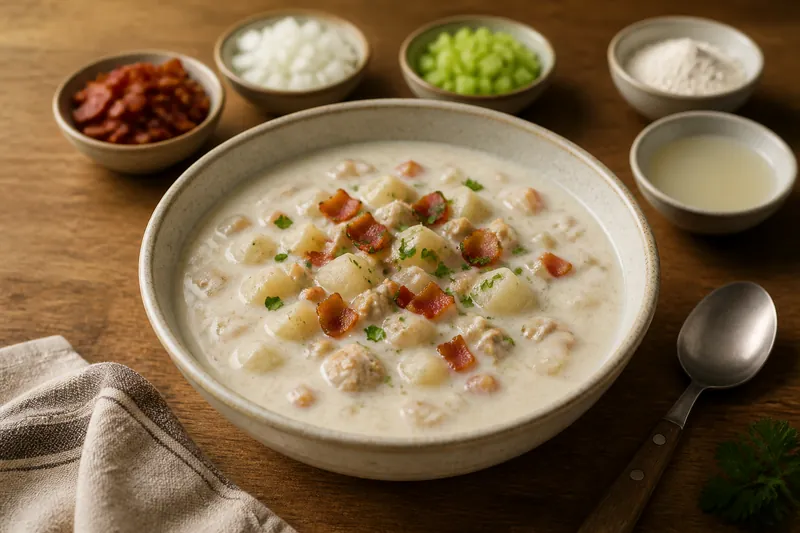 New England Clam ChowderAmericanOpen the recipe →
New England clam chowder is thick and creamy, with clams, potatoes, onion, and often salt pork or bacon. It tastes briny and rich, with the sweetness of clams and the starch of potatoes giving it body. It is worth cooking because it is both comforting and balanced, especially when the seafood flavor stays clear beneath the cream. One thing to know is that clams need gentle cooking; overcooking makes them tough, while the potatoes should be cooked until tender so the chowder feels unified.
These soups are different in tone, but each one shows how a bowl can carry a cuisine’s habits, economy, and sense of comfort. Cook one for a quick supper, another for a slow afternoon, and notice how much character can live in broth.