The Saudi Dishes Worth Knowing and Cooking Well
From rice dishes scented with spice to sweets and porridges, these are the Saudi plates that define home cooking.
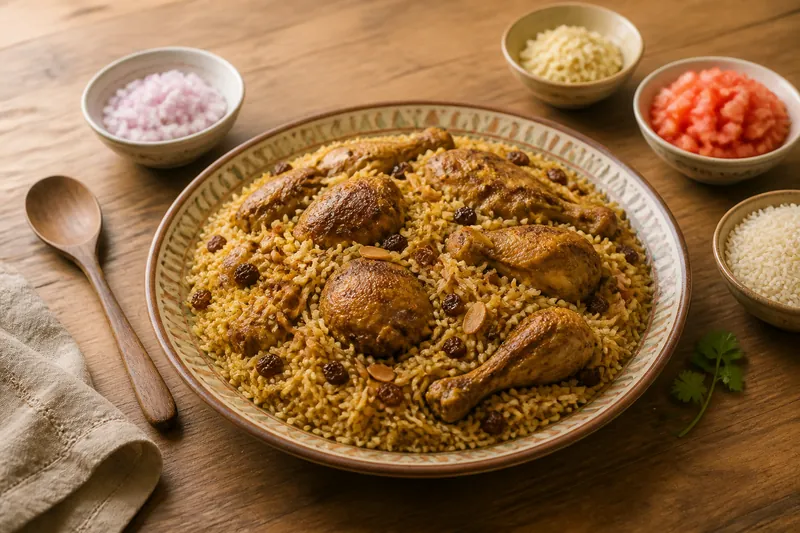
Saudi cooking is built on generosity, long simmering, and a careful hand with rice, meat, and spice. Many of its best-known dishes are tied to family tables and regional habit rather than restaurant fashion.
These are the dishes most worth knowing: some are celebratory, some are everyday, and some sit between savory and sweet in ways that feel distinctly Saudi. Each has its own rhythm, but all reward patience and clear seasoning.
The national rice dish with deep spice
KabsaSaudiOpen the recipe →Kabsa is the dish most people think of first when they think of Saudi food: rice cooked with meat, stock, onion, tomato, and a measured mix of warm spices. It tastes layered rather than hot, with cardamom, cinnamon, cloves, and black lime giving it a dark, fragrant edge. It is worth cooking because it feeds a table well and gives you a complete meal in one pot. The main thing to know is that the rice should absorb flavor without turning soft, so keep an eye on liquid and rest the pot before serving.
Smoky rice and tender chicken
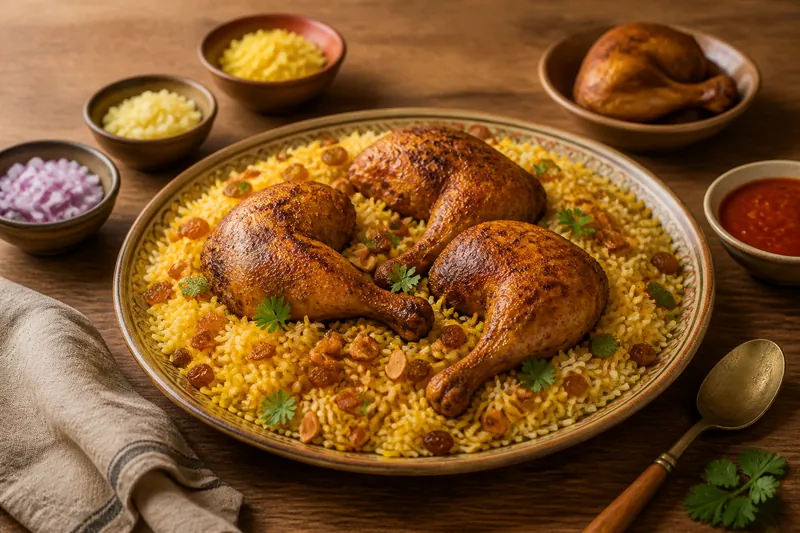 Chicken MandiSaudiOpen the recipe →
Chicken Mandi is a rice-and-chicken dish known for its smoke, gentle spice, and long-cooked tenderness. The chicken is usually seasoned simply, then cooked so the meat stays supple while the rice takes up the drippings and aromatics below. Its flavor is cleaner than Kabsa, with the smoke doing part of the work. It is worth cooking for a meal that feels festive without being complicated at the table. What matters most is timing: the chicken should be cooked through and well seasoned before the rice finishes, so neither element overcooks.
Slow-cooked meat with desert comfort
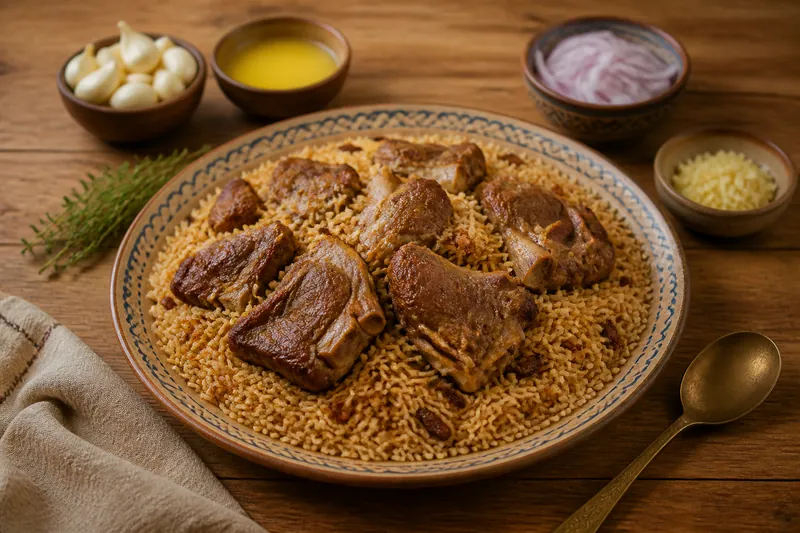 HaneethSaudiOpen the recipe →
Haneeth is a long-cooked meat dish, usually made until the flesh is so soft it falls apart with little effort. The flavor is straightforward and satisfying: salt, spice, fat, and the deep savor that comes from patient cooking. Served with rice, it is one of the most comforting Saudi dishes because it asks for little at the table once the pot is done. It is worth cooking when you want a dish that feels ceremonial but not fussy. The key is time; the meat needs a slow, steady heat so it softens without drying out.
Rich meat for a serious table
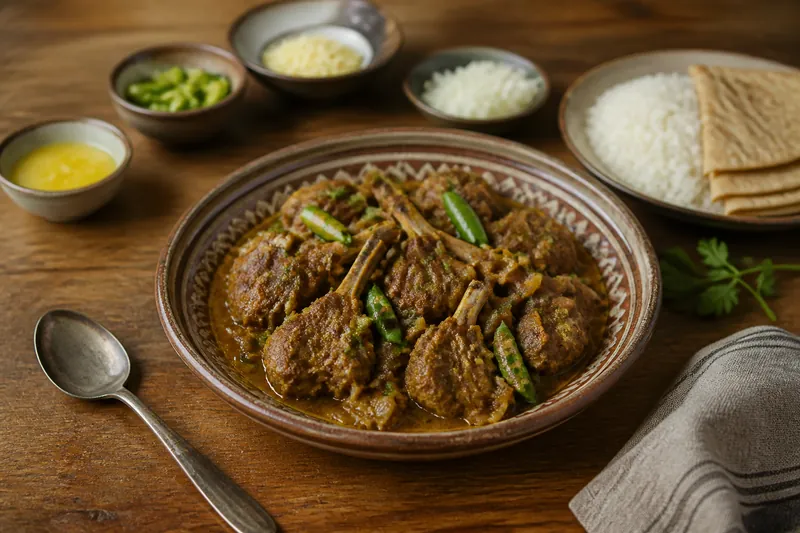 JalamahSaudiOpen the recipe →
Jalamah is a meat dish built on richness, with a texture and flavor that suit special occasions and hungry crowds. It is deeply savory, often carrying the taste of browned meat, spice, and a broth that has been reduced to something concentrated. The result is hearty rather than delicate, and it pairs well with rice or flatbread. It is worth cooking because it shows how Saudi food can be both practical and grand. One thing to know before starting is that the meat should be handled carefully at each stage so it stays tender as the flavors intensify.
Cracked wheat cooked to a soft finish
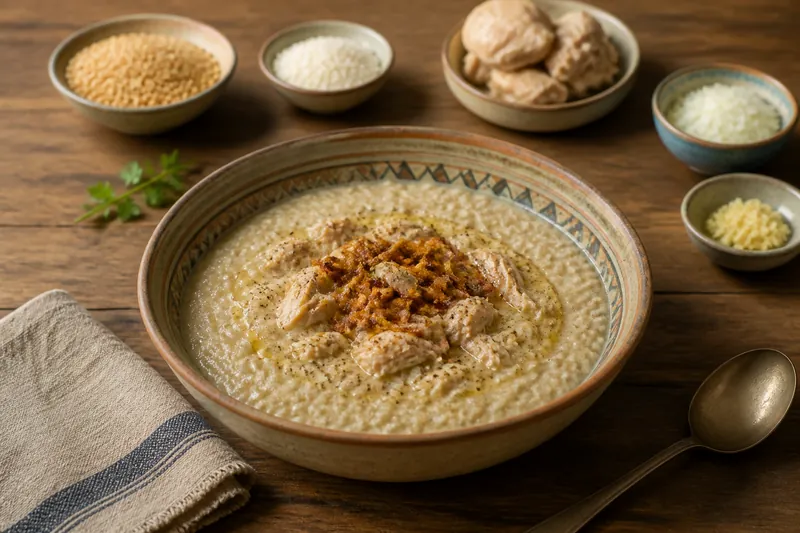 JareeshSaudiOpen the recipe →
Jareesh is a Saudi staple made from cracked wheat slowly cooked until it becomes creamy and thick, often with meat or chicken and plenty of onion and spice. Its taste is mild, earthy, and deeply comforting, more about texture than sharp flavor. A good bowl is soothing and substantial, with the grain softened enough to hold together but not turn gluey. It is worth cooking because it shows how simple ingredients can become a full meal. The main thing to know is that the wheat needs regular attention and enough liquid to break down properly without catching on the bottom.
Soft porridge for butter and syrup
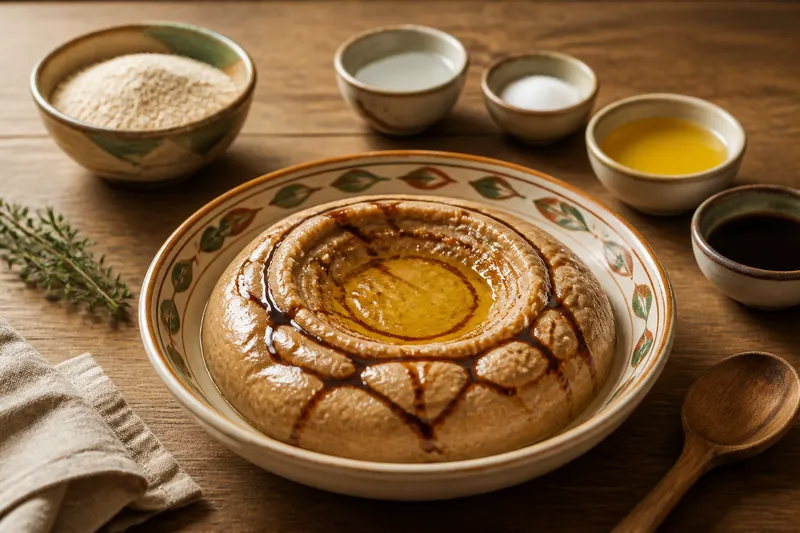 AseedaSaudiOpen the recipe →
Aseeda is a smooth, dense porridge made from flour cooked in water until it turns thick and glossy. It is mild in itself, which is the point: it is usually finished with butter, date syrup, or honey, so the final taste is rich and gently sweet. The appeal lies in its simplicity and its warmth, especially as a breakfast or comfort dish. It is worth cooking because it makes very little into something filling. Before you start, know that constant stirring matters, since the mixture thickens quickly and can clump if left alone.
A rustic sweet made from bread and dates
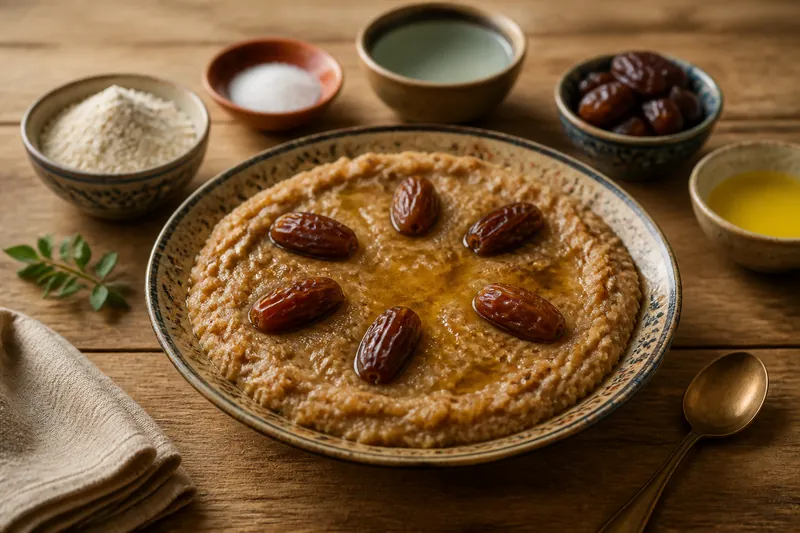 AreekahSaudiOpen the recipe →
Areekah sits between breakfast and dessert, with a base of bread or dough broken down and worked with dates, butter, and often cream. The flavor is soft, caramel-like, and a little toasty, with the dates giving the dish its main sweetness. It is worth cooking because it turns humble pantry ingredients into something warm and satisfying. The texture should be pliable and spoonable rather than dry. One thing to know is that the balance matters: too much liquid makes it loose, while too little leaves it heavy, so add fat and date paste gradually.
Date-rich comfort with a roasted note
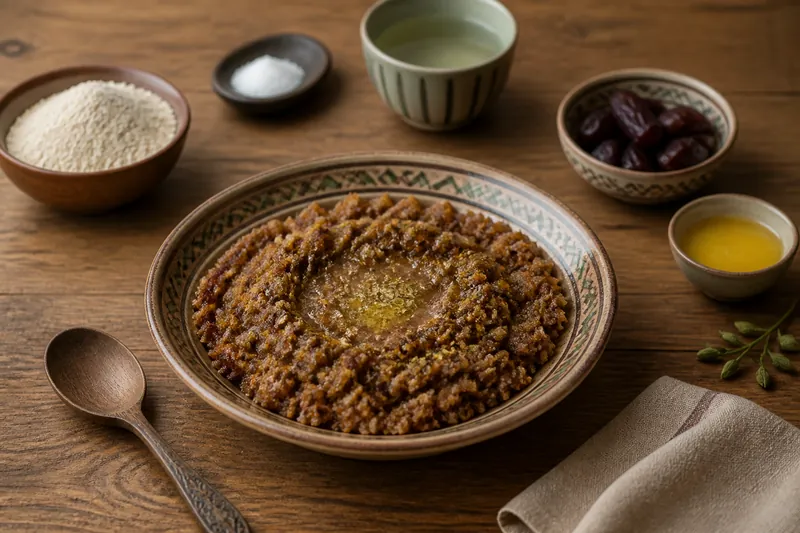 HininySaudiOpen the recipe →
Hininy is a sweet Saudi dish made with dates, bread or crumbs, and ghee, usually finished into a dark, fragrant mixture that tastes of caramel and toasted grain. It is hearty rather than delicate, and the dates give it both sweetness and depth. It is worth cooking because it delivers a lot of flavor from a short list of ingredients. The best versions are balanced, not cloying, with enough fat to round the dates and enough texture to keep it from becoming paste. A cook should watch the heat closely, since dates can darken too fast and lose their rounded taste.
Sweet noodles with a savory finish
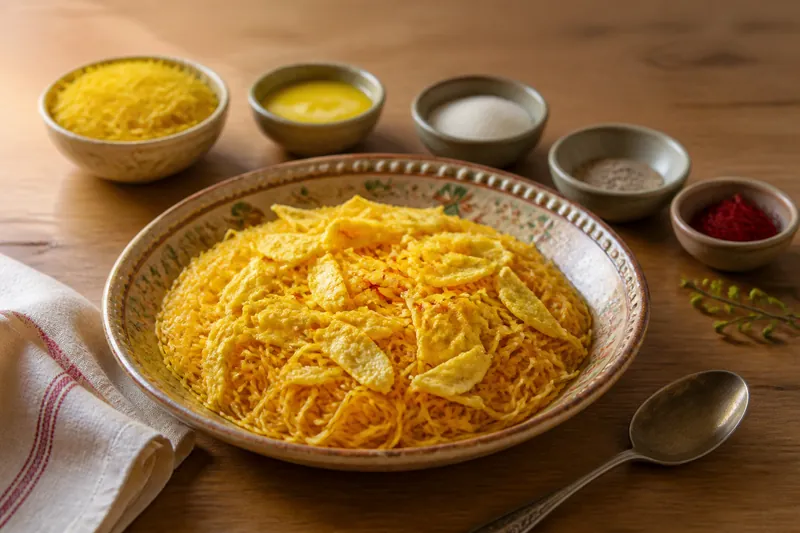 BalaleetSaudiOpen the recipe →
Balaleet is a dish of sweetened vermicelli often scented with cardamom and saffron, then topped with a thin omelet or egg layer. It tastes unusual in the best way: sweet, warm, and lightly spiced, with the egg adding salt and contrast. It is worth cooking because it shows how Saudi breakfast food can move between sweet and savory without hesitation. The texture should stay distinct, not mushy, and the noodles need just enough syrup or sugar to coat them. Before starting, cook the vermicelli gently so it does not break apart or clump once the eggs are added.
Spiced date biscuits with a crisp edge
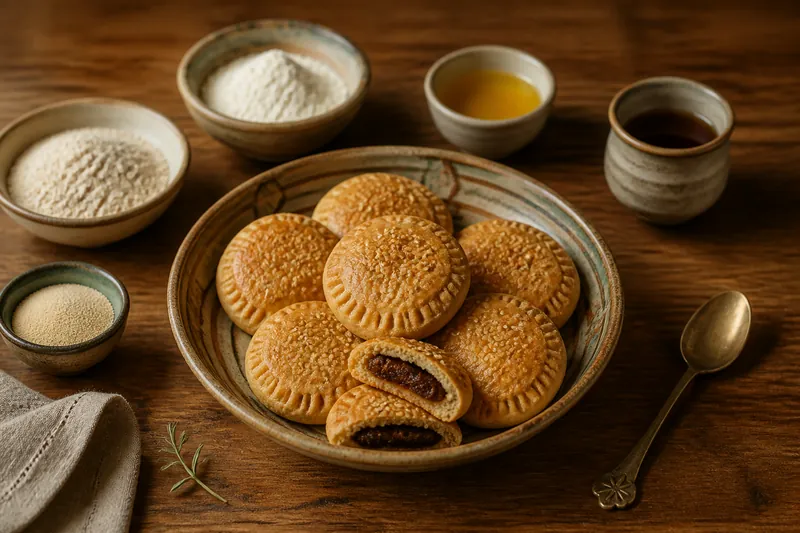 KleijaSaudiOpen the recipe →
Kleija are filled Saudi biscuits, most often scented with spices such as cardamom and cinnamon and filled with date paste or a similar sweet filling. They taste gently sweet, warmly spiced, and slightly crumbly, with a finish that depends on a good bake. They are worth cooking because they keep well and travel well, which has helped make them a familiar treat across the kingdom. The dough should be handled carefully so it stays tender after baking. One thing to know before starting is that the filling must be thick enough to seal cleanly, or it will leak during baking.
Taken together, these dishes show the range of Saudi cooking: rice dishes for guests, slow meat dishes for celebration, and sweets built from dates, flour, and ghee. They are plain in the best sense, rooted in skill, patience, and clear flavor.