Ten Indonesian Dishes That Define the Table
From street snacks to slow-cooked staples, these dishes show how Indonesian cooking balances spice, sweetness, heat, and texture.
Indonesian cooking is broad, regional, and deeply practical: rice, coconut, chilies, herbs, and careful seasoning shape food meant for daily life as much as celebration.
These ten dishes are among the best known outside Indonesia, and each shows a different part of the country’s range, from broths and grilled fish to sweets and porridge.
A slow-cooked chicken with deep spice
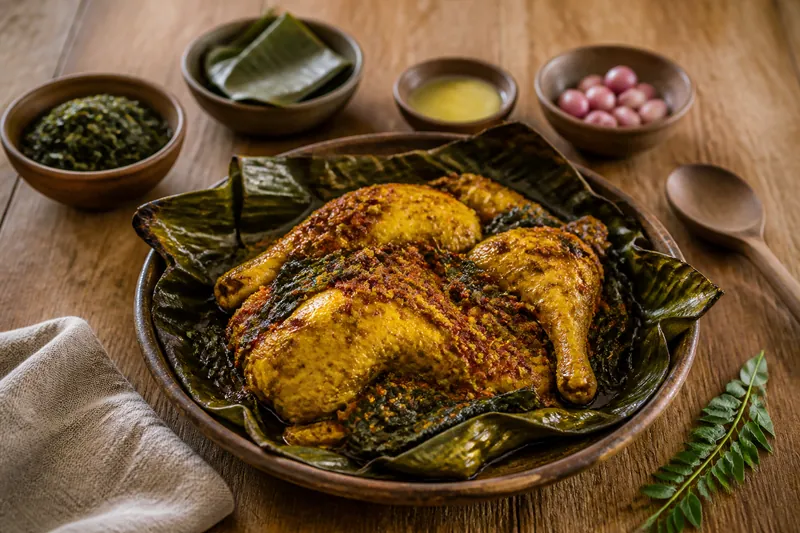
Ayam BetutuIndonesianOpen the recipe →Ayam betutu is chicken coated in a rich spice paste and cooked until the meat is tender and well seasoned throughout. It tastes warm, earthy, and aromatic, with garlic, shallot, chili, and ginger-like notes from the spice blend. The appeal is in the layering: a crisp, seasoned exterior and meat that carries the paste all the way in. It is worth cooking because it gives a full picture of Balinese-style seasoning in one dish. Before starting, know that the spice paste needs to be cooked properly, not rushed, so the raw sharpness softens.
Charred chicken with a sharp chili bite
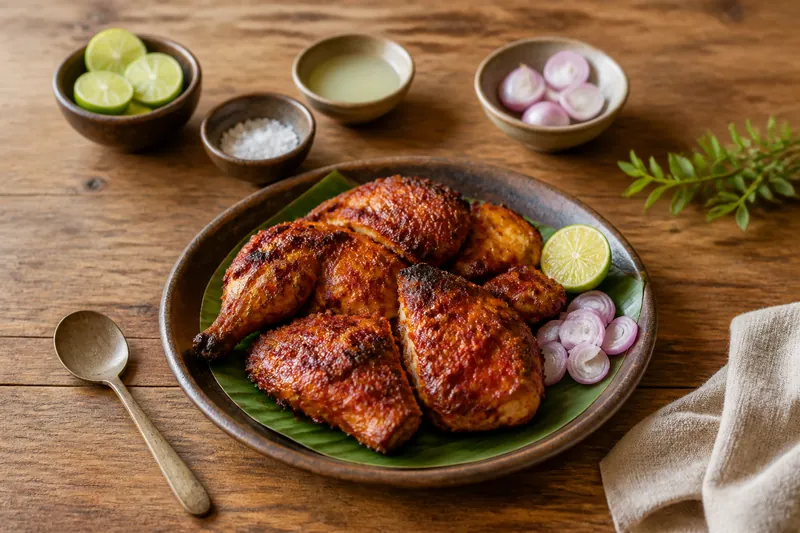 Ayam TaliwangIndonesianOpen the recipe →
Ayam taliwang is grilled chicken coated in a pungent chili paste that brings heat, smoke, and a little sweetness. The flavor is direct and lively, with enough salt and spice to cut through the richness of the chicken. It is one of the clearest expressions of Lombok cooking: bold, lean, and built for high heat. It is worth making because the method is straightforward, yet the result is memorable and full of character. A cook should know that the chicken needs a hot grill or broiler to pick up the right char without drying out.
Meatballs in a clear, savory broth
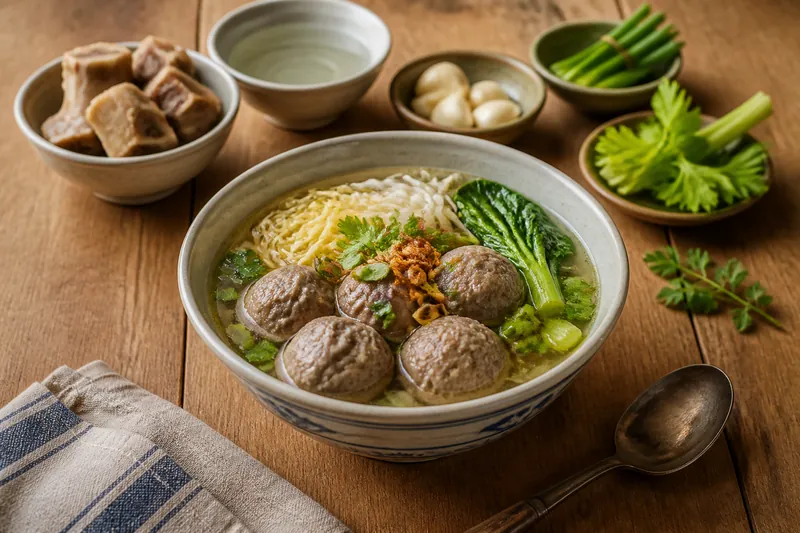 BaksoIndonesianOpen the recipe →
Bakso is a soup of springy meatballs, broth, noodles, and often greens or fried shallots. The meatballs are the point: firm, bouncy, and seasoned just enough to taste clean and savory. The broth is usually light but fragrant, making the bowl feel substantial without heaviness. It is worth cooking because it is both comfort food and street food, simple in form but satisfying in every spoonful. One thing to know before starting is that the texture depends on thorough mixing and chilling, so the meat paste must be handled with care.
Rice porridge with chicken and crisp toppings
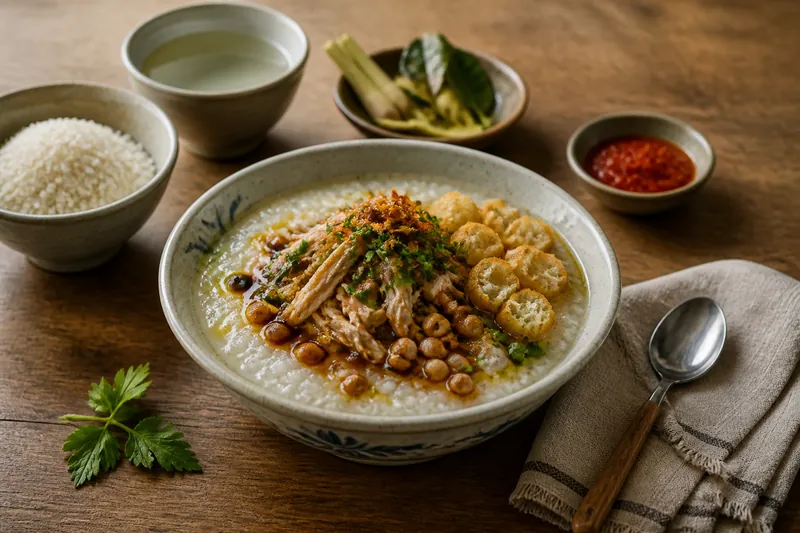 Bubur AyamIndonesianOpen the recipe →
Bubur ayam is a chicken rice porridge served with savory toppings such as shredded chicken, fried shallots, herbs, and often crackers or fried bread. The porridge itself is soft and mild, a blank base for salty garnishes and aromatic sauces. It tastes gentle but not plain, with the toppings bringing texture and contrast. It is worth making because it turns basic rice into something layered and complete, especially for breakfast or a light meal. A cook should know that the rice must be cooked down slowly until it breaks apart fully; shortcuts leave it grainy instead of smooth.
A rich beef soup with depth and body
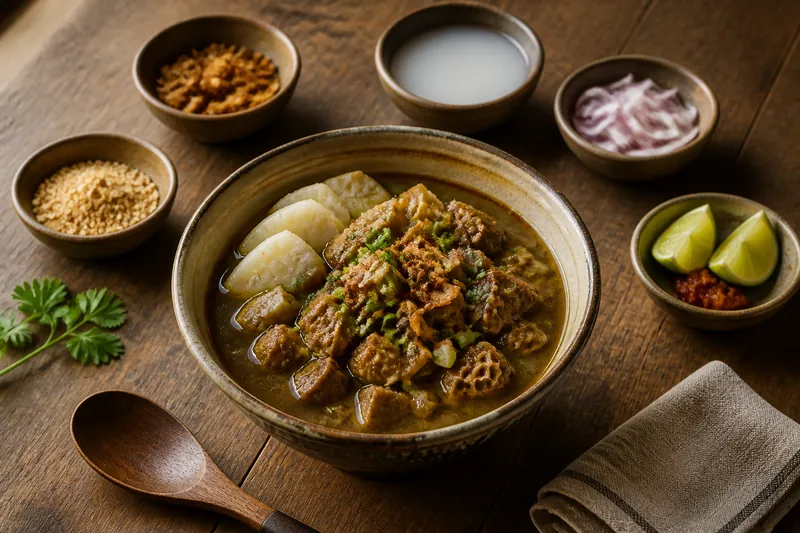 Coto MakassarIndonesianOpen the recipe →
Coto Makassar is a beef soup thickened and seasoned with a spice paste that gives it a deep, nutty, savory flavor. It is darker and fuller than a simple broth, often served with rice or compressed rice cakes. The taste is steady and layered, with beef richness supported by coriander-like spice and toasted notes. It is worth cooking because it shows how Indonesian soups can be substantial, not just light. Before beginning, remember that the long simmer matters; the meat and aromatics need time for the broth to gain its proper depth.
A green pancake wrapped around coconut
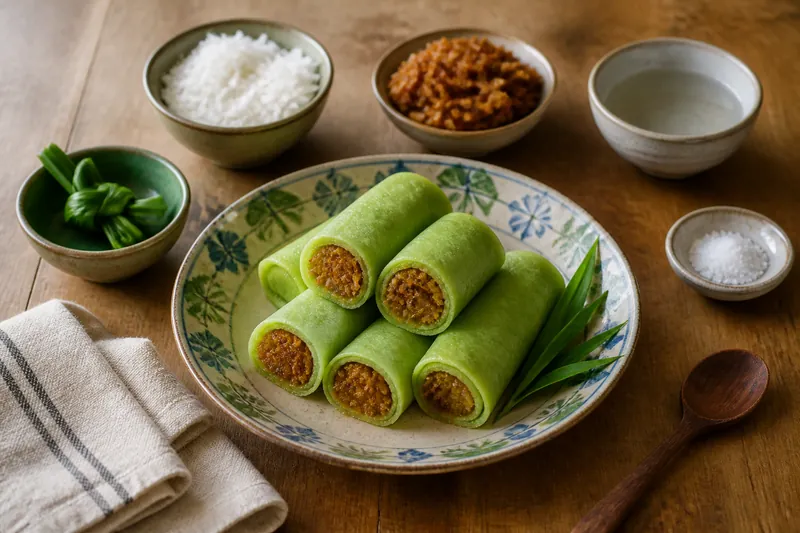 Dadar GulungIndonesianOpen the recipe →
Dadar gulung is a soft pandan-flavored pancake rolled around sweet coconut filling. The exterior is lightly sweet and fragrant, while the filling is chewy and caramel-like, usually made with grated coconut and palm sugar. The contrast between tender wrapper and textured filling is what makes it appealing. It is worth cooking because it is simple, portable, and a good example of Indonesian sweets using modest ingredients well. A cook should know that the batter should be thin enough to spread easily; if it is too thick, the pancakes become heavy and tear when rolled.
A cold dessert drink with pandan noodles
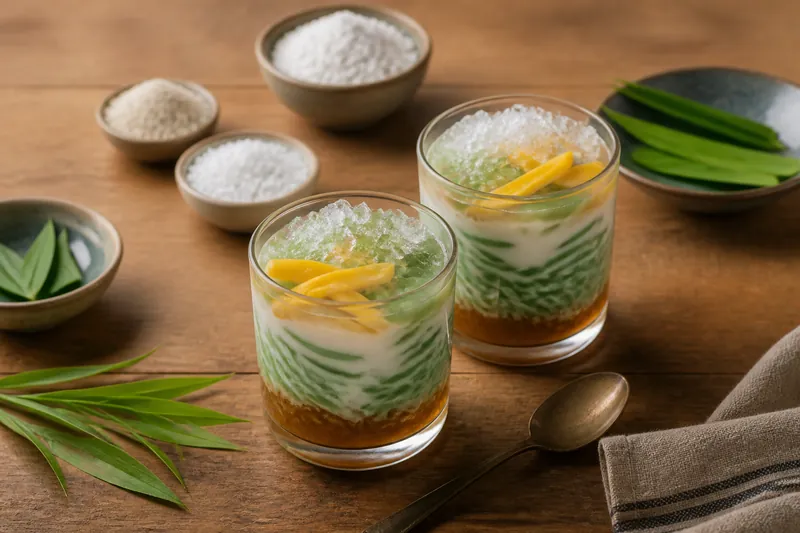 Es CendolIndonesianOpen the recipe →
Es cendol is a chilled dessert drink made with pandan jelly strands, coconut milk, palm sugar syrup, and ice. It tastes cool, creamy, and sweet, with a faint grassy aroma from the pandan and a darker caramel note from the syrup. The texture is as important as the flavor: slippery, soft, and refreshing. It is worth making because it balances richness and sweetness without feeling heavy. One thing to know is that the components should be well chilled before serving, and the syrup should be strong enough to stand up to the coconut milk and ice.
Vegetables under a warm peanut sauce
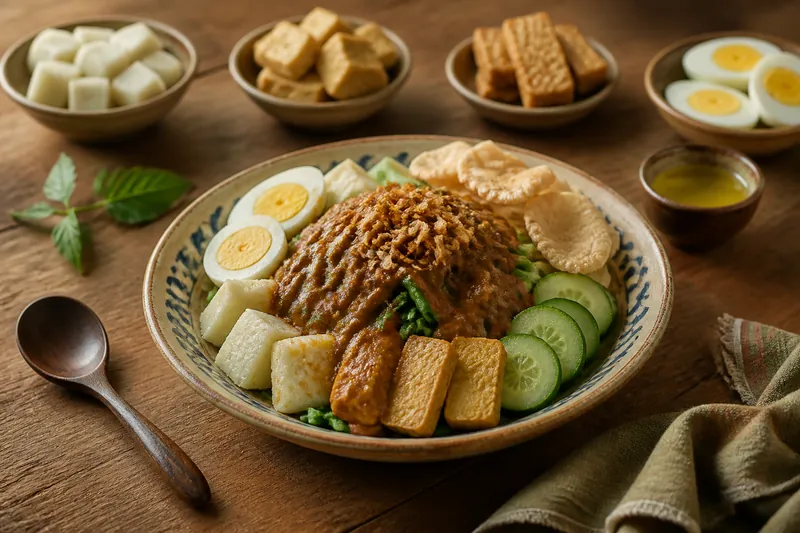 Gado-gadoIndonesianOpen the recipe →
Gado-gado is a salad of blanched vegetables, tofu, tempeh, eggs, and sometimes rice cakes, all dressed in peanut sauce. It tastes nutty, savory, and slightly sweet, with fresh vegetables giving lift against the richness of the sauce. The dish works because it combines cooked and crisp elements, so every bite has contrast. It is worth cooking for a meatless meal that is still substantial and balanced. A cook should know that the peanut sauce should be adjusted carefully: too thick and it clogs, too thin and it loses its hold on the vegetables.
Young jackfruit cooked until tender and sweet
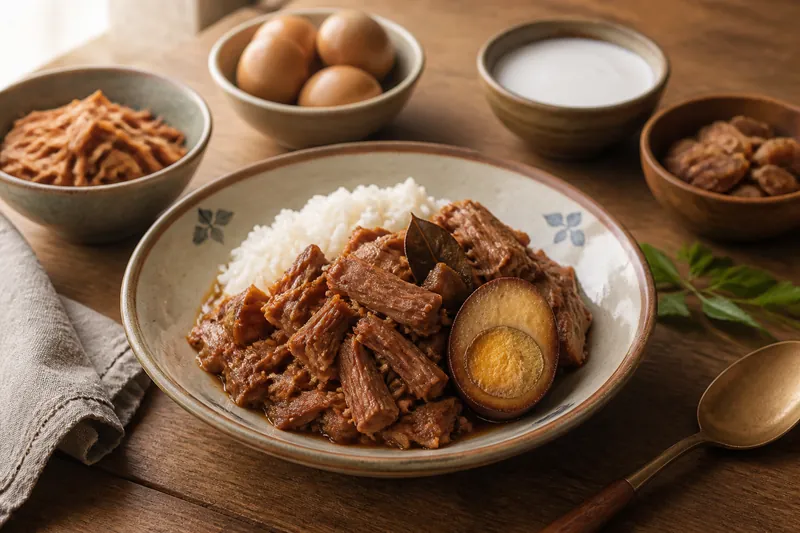 GudegIndonesianOpen the recipe →
Gudeg is a slow-cooked dish of young jackfruit simmered with coconut milk and spices until soft, dark, and gently sweet. The flavor is more restrained than many Indonesian dishes, leaning toward caramel, coconut, and warm spice rather than heat. Its appeal lies in the long cooking, which turns jackfruit into something silky and deeply seasoned. It is worth cooking because it shows how patience can create complexity from a simple main ingredient. Before starting, know that gudeg needs a long, steady simmer; the jackfruit should soften gradually rather than boil hard.
Grilled fish with fiery herb-chili sauce
 Ikan Bakar Rica-RicaIndonesianOpen the recipe →
Ikan bakar rica-rica is grilled fish finished with a lively chili-and-herb sauce. The fish is smoky and lightly charred, while the sauce brings heat, brightness, and a sharp savory edge. It tastes clean but forceful, with enough spice to wake up the richness of the fish. It is worth cooking because it is quick, direct, and full of contrast between grill, flesh, and sauce. A cook should know that the fish must be handled gently and cooked just until done; overcooking will dry it out before the sauce has a chance to shine.
Taken together, these dishes show how Indonesian food moves between broths, grills, sweets, and rice-based comfort. Some are slow and layered, others sharp and immediate, but each depends on balance, patience, and a clear sense of seasoning.