8 Easy Spanish Dishes to Cook at Home
These eight Spanish dishes need little special equipment, use familiar ingredients, and suit cooks who want clear, practical results.
Spanish home cooking often looks more involved than it is. Many of the dishes rely on olive oil, garlic, tomatoes, peppers, eggs, almonds, or bread, and the method is usually direct.
That makes them good choices for a first pass at the cuisine. Some are cold and bright, others rich and comforting, but all of them are workable on a weeknight or for a simple weekend meal.
Cold, sharp, and simple
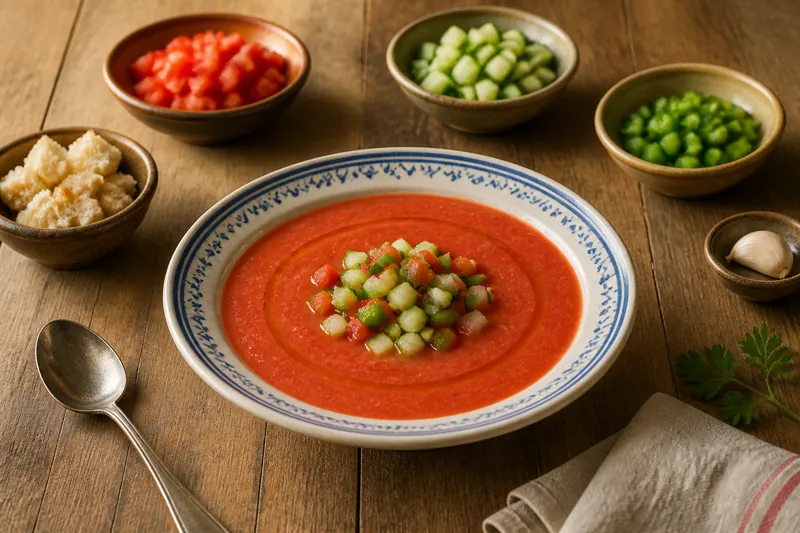
GazpachoSpanishOpen the recipe →Gazpacho is a chilled tomato soup blended with cucumber, peppers, onion, garlic, olive oil, vinegar, and bread. It tastes fresh, acidic, and lightly creamy, with the vegetables coming through clearly rather than being cooked down. It is one of the easiest Spanish dishes to make because it asks for no heat at all, just chopping and blending. A cook should know that good ripe tomatoes matter here; if they taste dull, the soup will too. Chill it well before serving so the flavours settle and the texture feels clean.
Garlic shrimp in minutes
 Gambas al ajilloSpanishOpen the recipe →
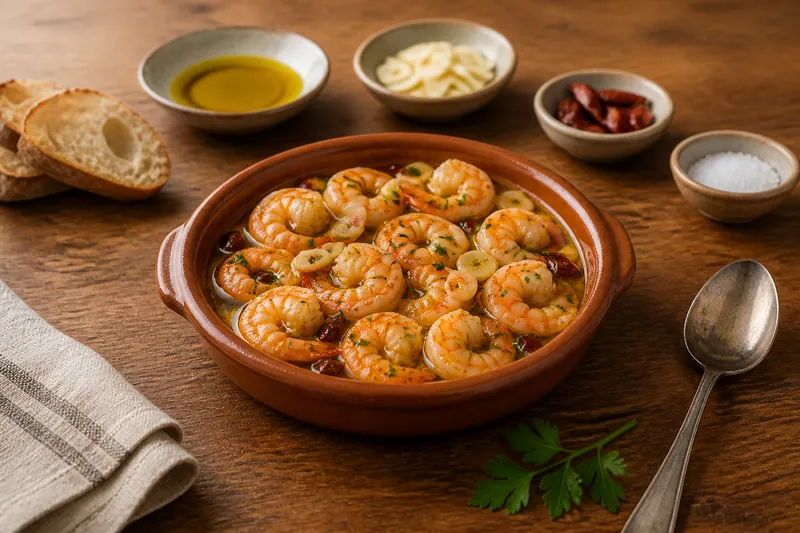
Gambas al ajillo is a short, hot dish of shrimp sizzling in olive oil with garlic and often a little chilli. It tastes brisk and savoury, with the garlic flavour infused into the oil and the shrimp kept tender if cooked quickly. It is worth cooking because it delivers a lot of flavour from very few ingredients and works well as a starter or tapas plate. One thing to watch is timing: the garlic should soften and perfume the oil, not brown heavily, and the shrimp should go in only when the oil is ready.
Roasted vegetables with depth
 EscalivadaSpanishOpen the recipe →
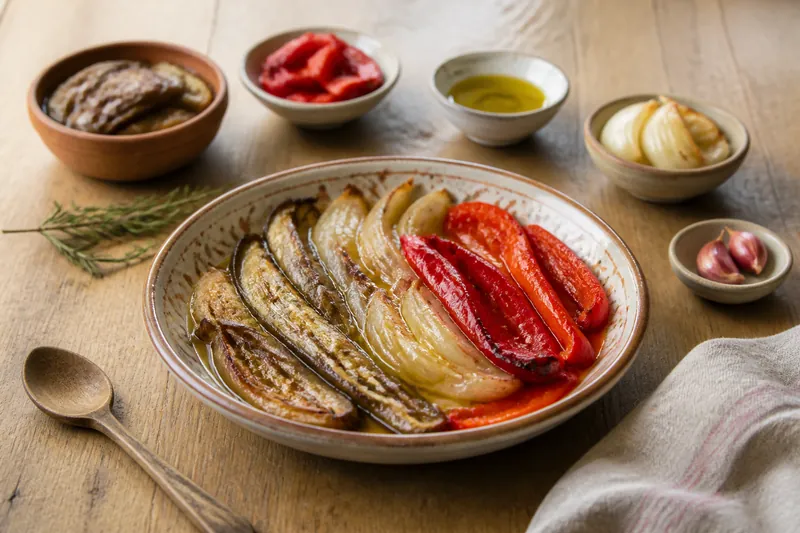
Escalivada is a Catalan dish of roasted peppers, aubergine, and onion, usually dressed with olive oil and sometimes vinegar or garlic. It tastes smoky, sweet, and soft, with the vegetables collapsing into something rich and almost silky. It is worth making because it turns a few basic vegetables into a dish that can be served warm or cold, on bread or beside fish and meat. The main thing to know is that the vegetables need enough time to roast until fully tender, then time to cool so the skins peel away cleanly.
Spain’s gentle vegetable stew
 Pisto manchegoSpanishOpen the recipe →
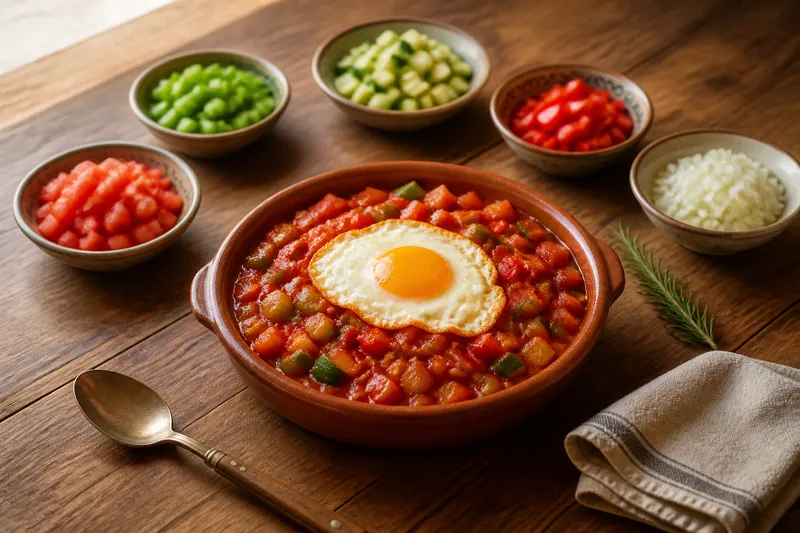
Pisto manchego is a slow-cooked mixture of tomatoes, peppers, courgettes, onion, and often aubergine, finished in olive oil. It tastes soft, savoury, and tomato-rich, closer to a ratatouille than a sauce, with each vegetable still contributing its own character. It is worth cooking because it is flexible, inexpensive, and useful as a main with bread, rice, or an egg on top. One thing to know before starting is that the vegetables need enough time over steady heat to lose their water and become concentrated, not watery.
Thicker than gazpacho
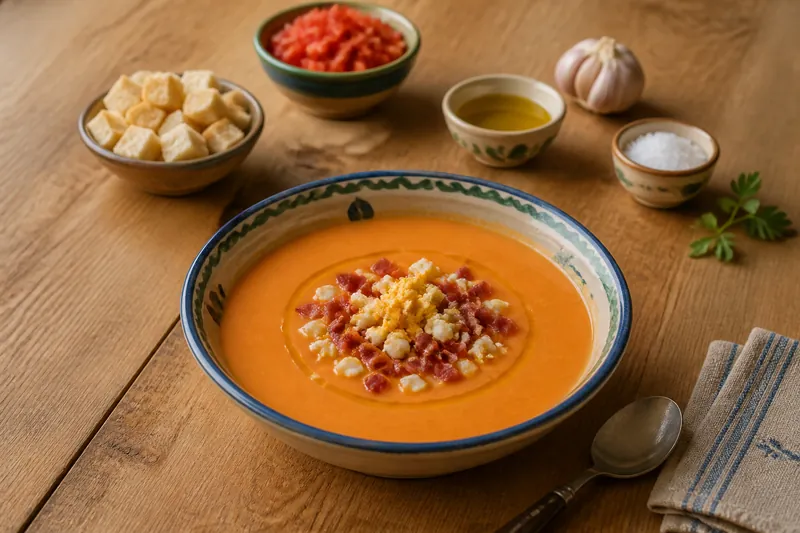 SalmorejoSpanishOpen the recipe →
Salmorejo is a cold blended soup from Andalusia made with tomatoes, bread, olive oil, garlic, and salt, usually topped with chopped egg and ham. It tastes smoother and denser than gazpacho, with a creamy texture from the bread and oil rather than dairy. It is worth cooking because it needs little effort and makes a satisfying first course in hot weather. A cook should know that the bread is part of the texture, not an afterthought, and it should be soaked and blended thoroughly until the soup is velvety.
Eggs over potatoes, done properly
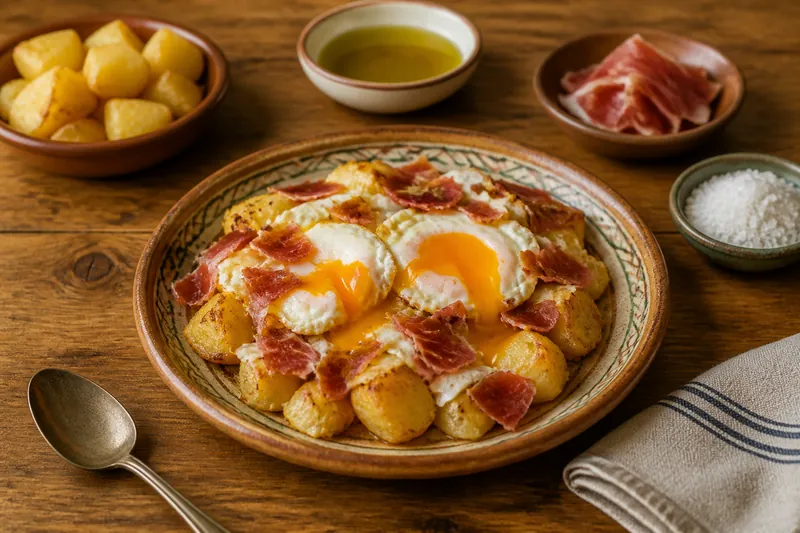 Huevos rotosSpanishOpen the recipe →
Huevos rotos is a plate of fried potatoes topped with eggs, usually broken open so the yolk runs through the potatoes, sometimes with ham or chorizo. It tastes rich and salty, with crisp edges on the potatoes and soft egg pulling everything together. It is worth making because it is plain food done well, and the ingredients are easy to find. The key thing to know is that the potatoes should be cooked until truly crisp, not just browned; otherwise the dish turns heavy instead of having the contrast it needs.
Spanish-style bread pudding
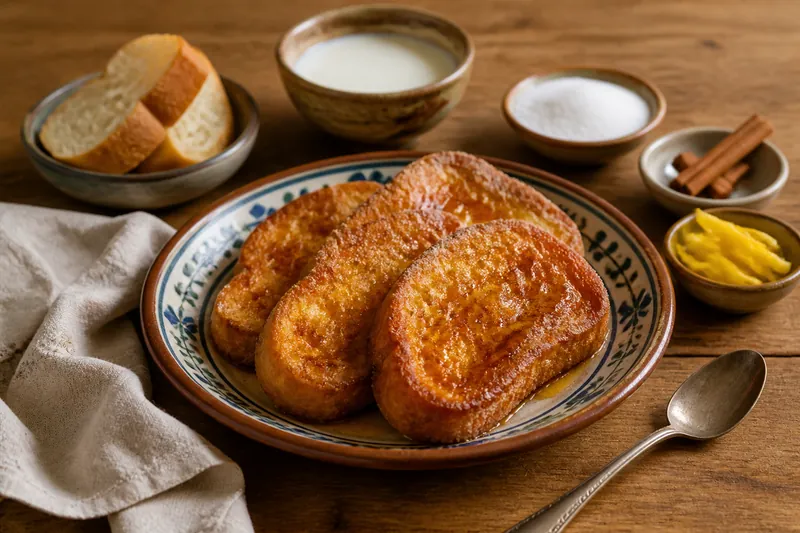 TorrijasSpanishOpen the recipe →
Torrijas are slices of bread soaked in milk or wine, dipped in egg, fried, and finished with sugar, honey, or cinnamon. They taste soft inside and crisp outside, with a milky sweetness and a warm spice note if cinnamon is used. They are worth cooking because they turn stale bread into a proper dessert or breakfast with very little fuss. One thing a cook should know is that the bread must be sturdy enough to hold together after soaking; day-old loaf or brioche works better than very soft fresh bread.
Almond cake with a clear profile
 Tarta de SantiagoSpanishOpen the recipe →
Tarta de Santiago is a simple almond cake from Galicia, usually made with ground almonds, eggs, sugar, and lemon zest. It tastes nutty, light, and clean, with a fine crumb and no heavy frosting to hide it. It is worth baking because the ingredient list is short and the result keeps well, making it useful for guests or a few days of slicing. One thing to know before starting is that it is often flour-free or nearly so, which means the almond meal and egg structure are doing the work, so careful mixing matters.
These dishes are approachable because they depend on timing, seasoning, and good ingredients more than technique. Start with the cold soups or gambas, then move toward the baked or fried plates once the method feels familiar.