8 Dutch Dishes That Feed Six or More
From soups and fruit pies to yeasted breads and cakes, these Dutch dishes are built for a table of six or more.
Dutch cooking has a quiet knack for scale. It leans on butter, rye, beans, fruit, and steady oven heat, which makes many classic dishes easy to serve to a crowd.
These are the recipes that stretch well, slice neatly, and taste as good on a second day as they do on the first. Some are for dessert, some for breakfast, and some for a full meal in one pot.
Thick pea soup for cold weather
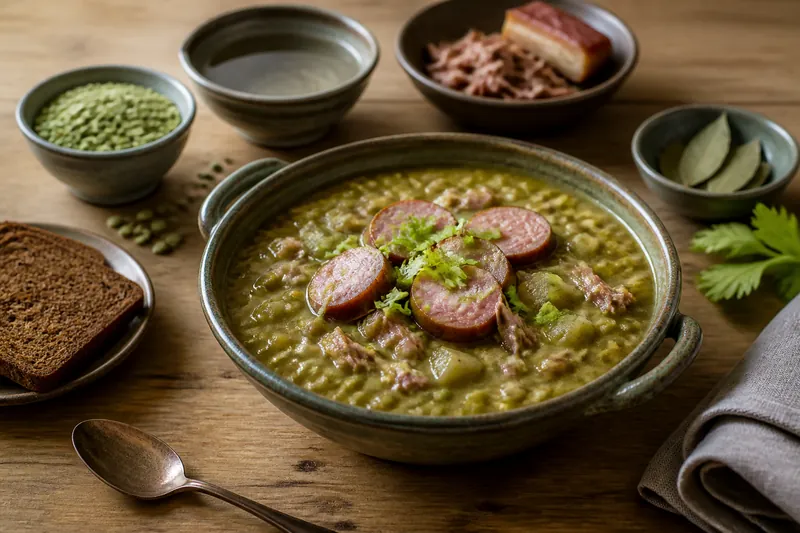
ErwtensoepDutchOpen the recipe →Erwtensoep is the Dutch split pea soup that turns a pot of pork, vegetables, and peas into something dense enough to stand a spoon in. It tastes smoky, savory, and faintly sweet from the peas and onion, with a comfort that comes from long simmering rather than heavy seasoning. It is worth cooking because it feeds many people cheaply and improves after a rest. The main thing to know is that it needs time; the soup should cook slowly until the peas break down fully and the texture turns thick, almost stew-like.
Bean soup with steady, old-fashioned depth
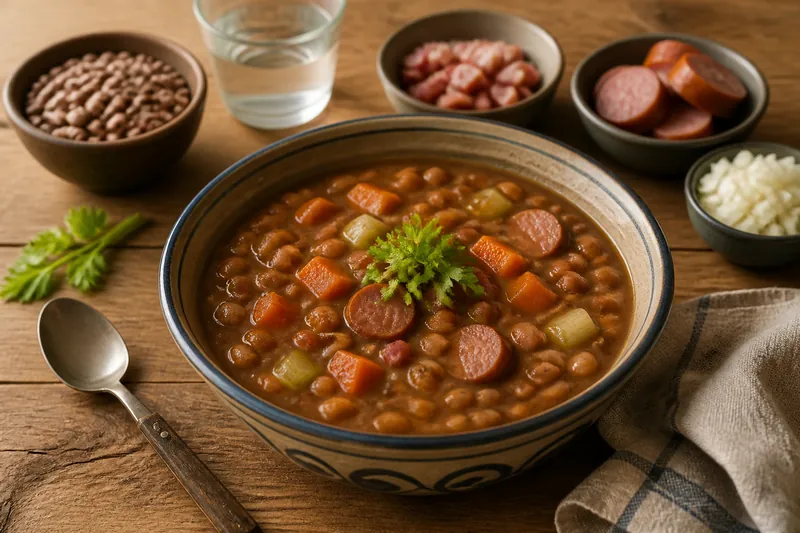 Bruine bonensoepDutchOpen the recipe →
Bruine bonensoep is made from brown beans cooked until soft, then joined by vegetables and usually a little pork or bacon for depth. The flavor is earthy and mild, with a broth that becomes filling without feeling heavy. It is a practical dish for feeding six or more because beans hold their shape, the soup thickens naturally, and it reheats well. The cook should plan ahead: the beans need overnight soaking, and that step is not optional if you want even cooking and a smooth, creamy texture rather than tough, uneven beans.
Tall apple pie with a crisp lattice
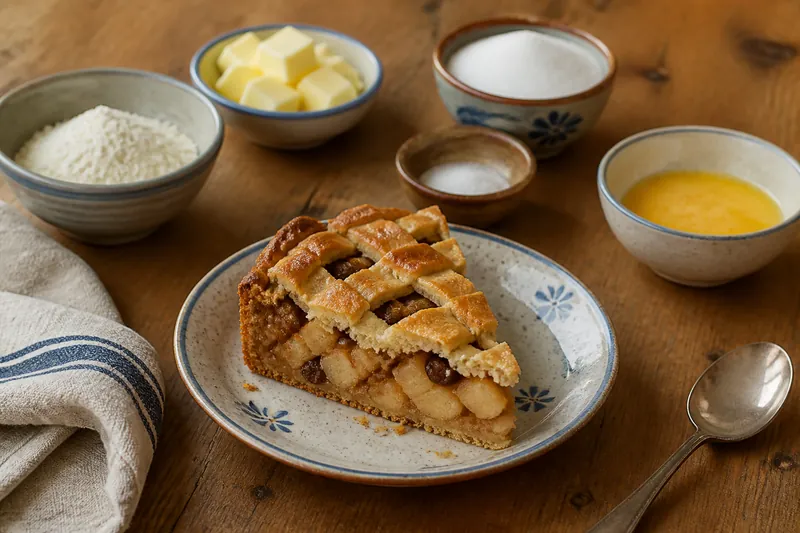 AppeltaartDutchOpen the recipe →
Appeltaart is the Dutch apple tart that usually arrives high-sided, generously filled, and finished with a sturdy crust rather than a delicate one. It tastes of baked apples, cinnamon, and butter, with enough structure to cut into clean wedges for a crowd. It is worth making because it serves many and holds its shape well after baking, so it is useful for gatherings. One thing to know is that the filling should not be too wet; slice the apples evenly and let the tart cool before cutting, or the juices will run.
Soft rice tart for a large table
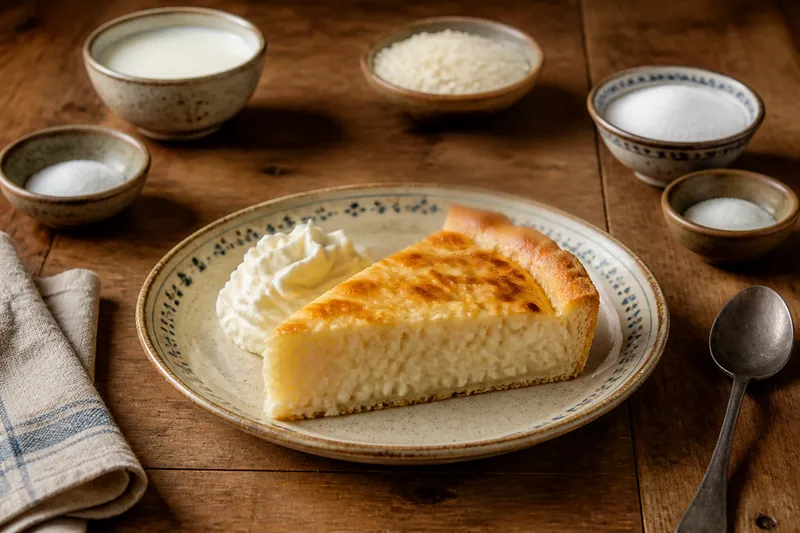 RijstevlaaiDutchOpen the recipe →
Rijstevlaai is a Dutch vlaai with a yeast base and a filling of rice pudding, usually set in a shallow round tin. The taste is gentle: milky rice, vanilla, and a soft pastry crust that is lighter than a pie shell. It is worth cooking because it slices neatly and serves a crowd without feeling rich or heavy. The key thing to know is that the rice filling must cool enough to thicken before it goes into the crust; if it is too loose, the tart will not set properly and will be difficult to cut cleanly.
A loaf made for slicing thick
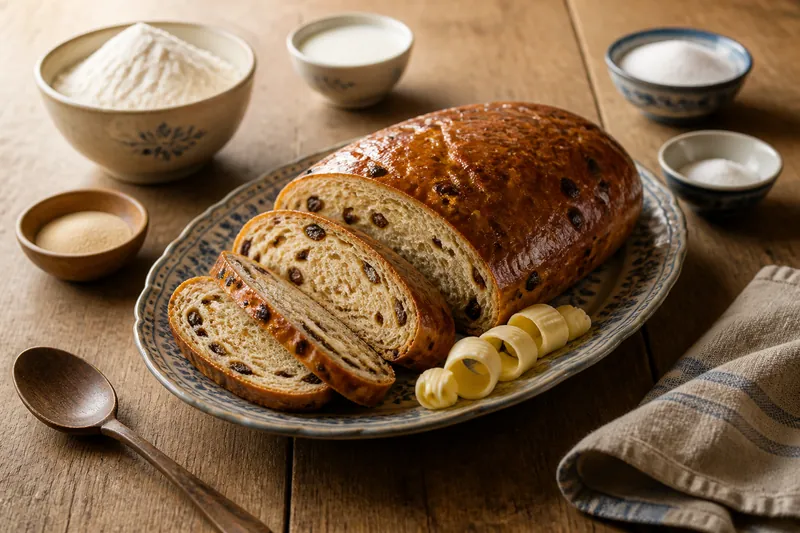 KrentenweggeDutchOpen the recipe →
Krentenwegge is a Dutch currant loaf, rich with dried fruit and made in a large, soft bread shape that invites thick slices. It tastes lightly sweet, buttery, and fruity, with the bread itself staying tender rather than cake-like. It is worth making for breakfast or an afternoon table because one loaf goes a long way and feeds many people easily. The important thing to know is that the dough needs proper rising time; do not rush it, or the loaf will be dense and the fruit will not be evenly suspended through the crumb.
Sweet bread with pearls of sugar
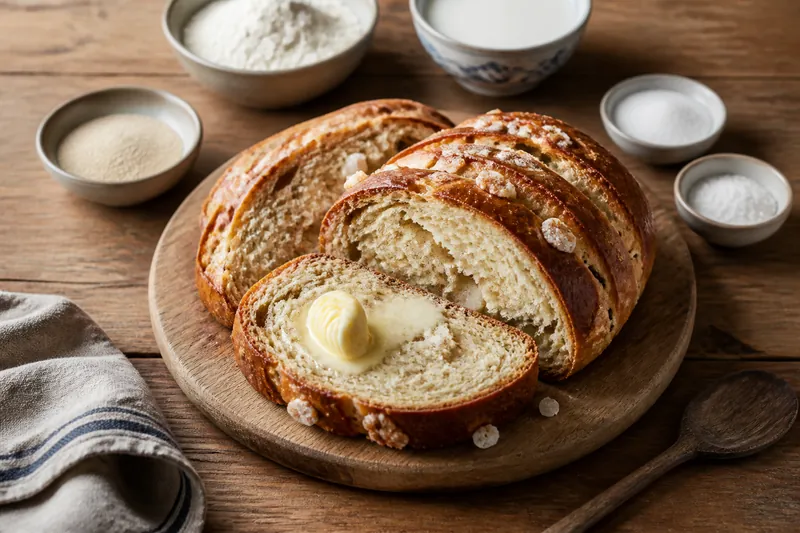 Fries suikerbroodDutchOpen the recipe →
Fries suikerbrood is a Frisian sweet bread packed with coarse sugar that melts and caramelizes into pockets through the loaf. The flavor is buttery and warm, with bursts of sweetness that make it more than an ordinary breakfast bread. It is worth baking because it feeds a group with very little fuss and can be served plain, toasted, or with butter. The thing to know is that the sugar can make the loaf brown quickly, so watch the crust closely near the end of baking and let it cool before slicing, or the crumb will tear.
Dense butter cake for clean slices
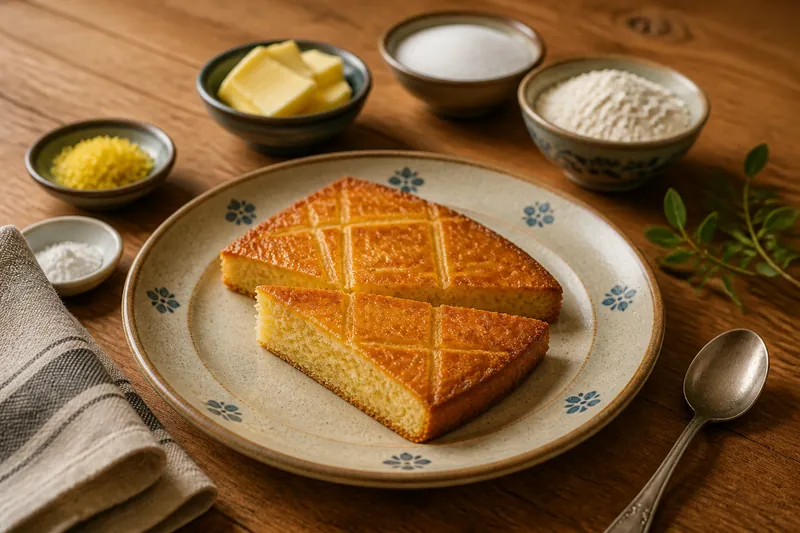 BoterkoekDutchOpen the recipe →
Boterkoek is a compact Dutch butter cake with a short, rich crumb and a glossy top. It tastes of butter first, then vanilla and almond if used, with a texture somewhere between cake and shortbread. It is worth cooking because it is simple, keeps well, and cuts into many small squares or larger wedges for a group. One thing to know is that the batter is heavy and sticky, so pressing it evenly into the tin matters more than beating it; an uneven layer will bake unevenly and give you a pale center and overbaked edges.
Spiced loaf for breakfast and tea
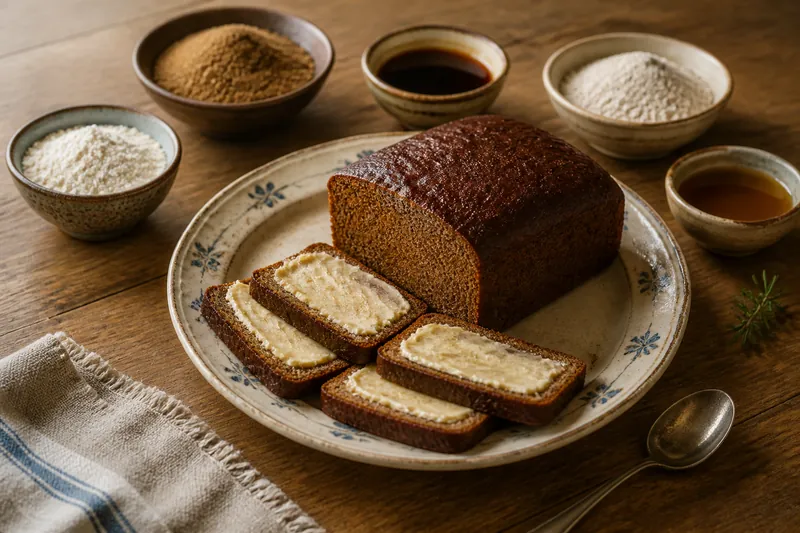 OntbijtkoekDutchOpen the recipe →
Ontbijtkoek is a Dutch spiced breakfast cake, dark with rye flour, syrup, and warm spices such as cinnamon and cloves. Its flavor is modest but deep, with a moist crumb that gets better after resting overnight, which is why it is often sliced thin. It is worth making for a crowd because it keeps well, travels well, and needs only butter to serve. The cook should know that the overnight rest is part of the recipe, not a delay; the loaf should be left alone so the spice flavor settles and the texture becomes properly sliceable.
These Dutch dishes feed a crowd without much drama. They rely on slow heat, careful resting, and ingredients that stretch: beans, peas, fruit, bread, and butter. Make one for a table of six, or more, and you have leftovers that still feel deliberate the next day.