8 Dutch Dishes That Can Stay Under 500 Calories
From herring to fritters, these Dutch dishes can fit a lighter dinner if you watch portions and keep the sides simple.

Dutch food can be plain in the best way: bread, fish, batter, sugar, and not much fuss. That makes some dishes easy to keep modest in calories, especially when the portion is sensible and the meal is not built around rich extras.
The dishes below are all real Dutch recipes, but they do not all work as full dinners in the same way. Some are better as light meals, some as a small evening plate, and some as a sweet end to dinner when served in restraint.
Fresh herring, the simplest option
Hollandse NieuweDutchOpen the recipe →Hollandse Nieuwe is young, lightly cured herring, usually served plain or with onion and sometimes pickles. It tastes clean, oily, and briny, with a soft texture that is quite different from smoked fish. For a low-calorie dinner, it is one of the easiest Dutch foods to keep light because the fish itself needs little else. It is worth cooking only in the sense of assembling well: serve it cold, with rye bread or a small salad if you want more substance. One thing to know is that the fish is usually eaten straight from the pack or the stall, so freshness matters more than technique.
A snack that needs restraint
 Frikandel speciaalDutchOpen the recipe →
Frikandel speciaal is a split frikandel topped with curry ketchup, mayonnaise, and raw onion. It is salty, soft, and rich, with the sauces giving most of the flavour and much of the calories. It belongs more to the snack bar than the dinner table, but it can sit in a lighter meal if you keep it to one piece and skip fries. The appeal is straightforward: warm, seasoned meat and sharp onion against sweet-sour sauce. One thing to know before starting is that the sauce balance matters; too much mayonnaise quickly pushes it out of the under-500 range.
Crunchy and sweet, best kept small
 Beschuit met muisjesDutchOpen the recipe →
Beschuit met muisjes is rusk spread with butter or margarine and covered with aniseed sugar sprinkles. It is crisp, sweet, and very light in flavour, more a special treat than a dinner on its own. As a small ending to a meal, it can stay low in calories if you use only a thin layer of spread and a modest amount of muisjes. It is worth making because it takes almost no time and shows a familiar Dutch custom with very little effort. One thing to know is that it is fragile: assemble it just before serving so the rusk stays crisp.
Bread turned into a soft supper
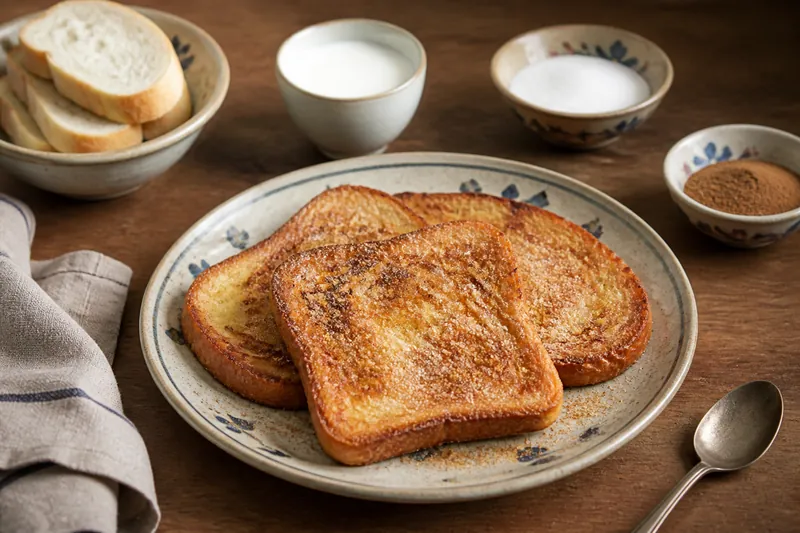 WentelteefjesDutchOpen the recipe →
Wentelteefjes are slices of bread soaked in milk and egg, then fried until golden and finished with cinnamon sugar or fruit. They taste like French toast, but the Dutch version is often a little plainer and slightly firmer. It works well as a light dinner if you use modest sugar and serve it with fruit rather than syrup. That makes it filling without becoming heavy. It is worth cooking because stale bread turns into something comforting and useful. One thing to know is that the bread should be dry enough to soak up the custard without collapsing, so day-old slices are best.
Spiced cake, thinly sliced
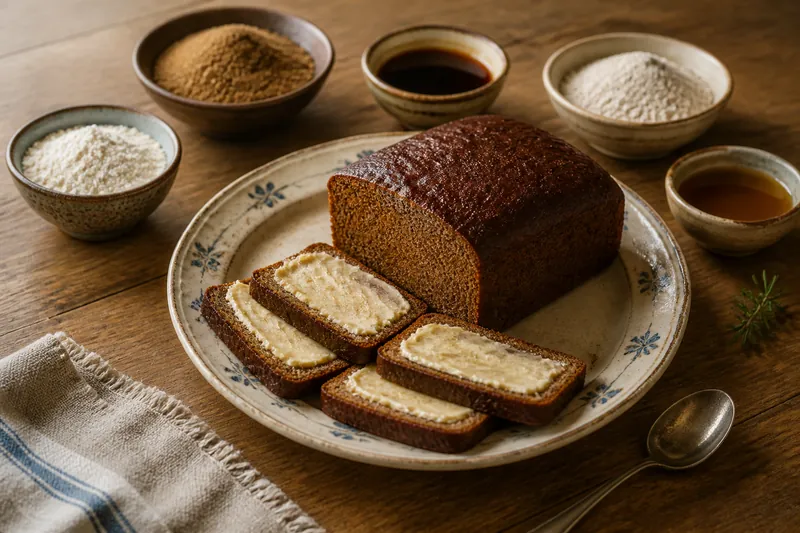 OntbijtkoekDutchOpen the recipe →
Ontbijtkoek is a dark, spiced quick bread made with rye flour, syrup, and warm spices such as cinnamon, cloves, and ginger. It is dense, fragrant, and only lightly sweet, more like a sliceable cake than a breakfast bread. For dinner, it works best as part of a light plate or as a small finish after something savoury. It is worth making because the flavour is deep and the texture keeps well for days. One thing to know is that it needs overnight resting, so plan ahead; the loaf improves as it sits before baking and after.
Apple pastry for a lighter finish
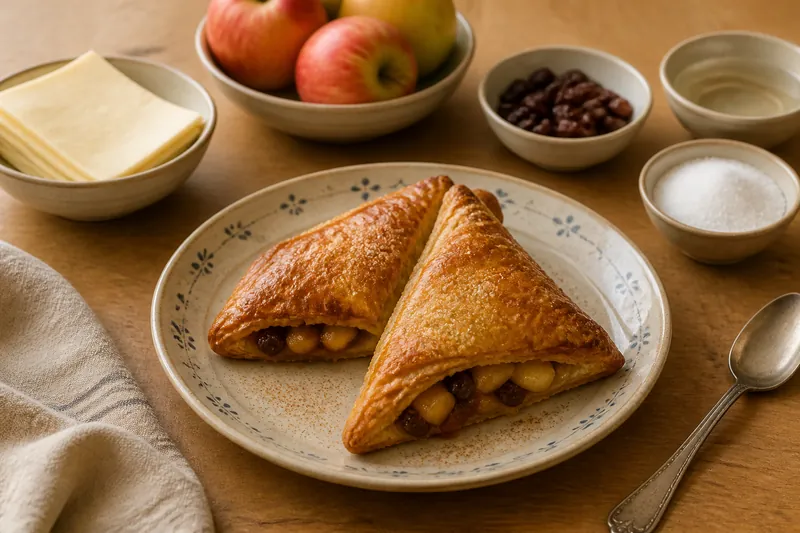 AppelflappenDutchOpen the recipe →
Appelflappen are pastry parcels filled with apple, sugar, and often cinnamon, then baked until puffed and golden. They are crisp outside, soft inside, and taste like a modest apple turnover. As a dinner dessert, they can stay under 500 calories if you keep the portion to one and do not add cream or ice cream. They are worth cooking because they give you fruit, pastry, and spice in a neat package that feels complete without much work. One thing to know is that the filling should be dry enough not to leak, so chop the apples small and avoid overfilling.
Fried dough, best as one piece
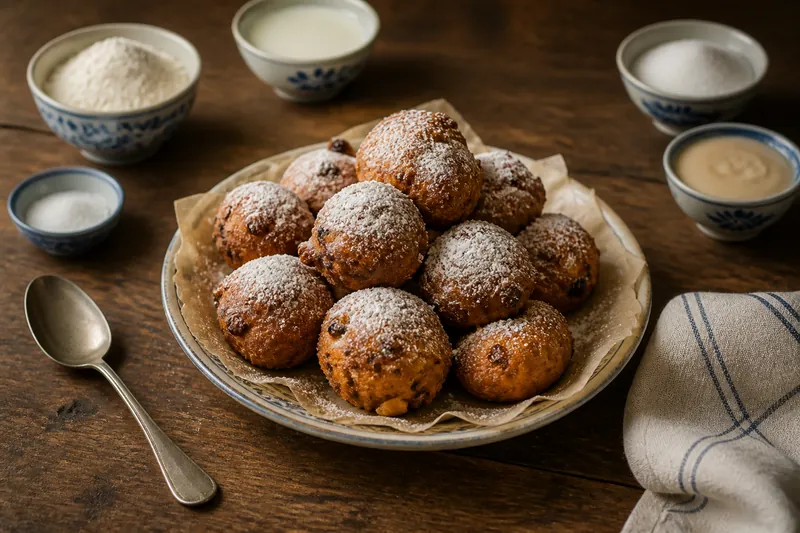 OliebollenDutchOpen the recipe →
Oliebollen are Dutch doughnuts, usually studded with raisins or currants and dusted with icing sugar. They are soft, yeasted, and deeply fried, with a mild sweetness that depends more on texture than sugar. They can fit a lighter dinner only if treated as an occasional sweet course and kept to a small serving. They are worth making for the contrast between crisp crust and airy crumb. One thing to know is that the dough needs a proper rise, and the oil must stay at the right heat so the outside browns without leaving the centre heavy.
Rich bar cake in a small slice
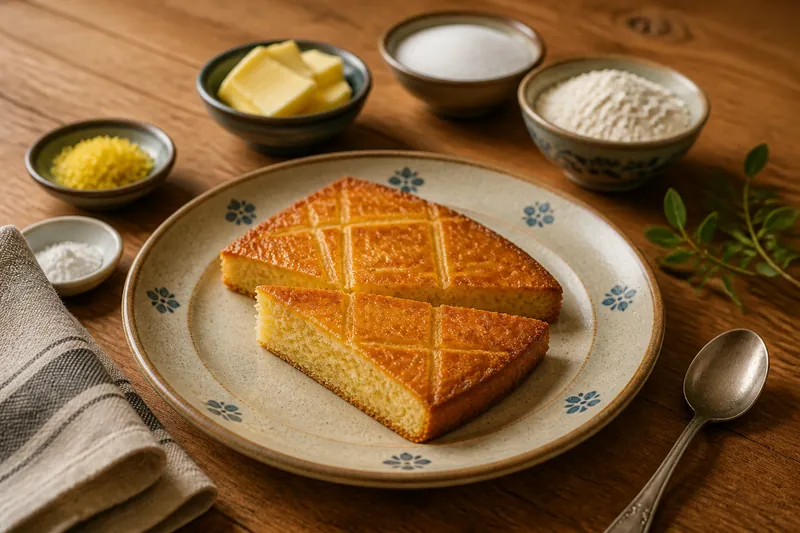 BoterkoekDutchOpen the recipe →
Boterkoek is a dense Dutch butter cake, made with plenty of butter, sugar, and flour, then baked into a firm slab. It tastes rich, buttery, and slightly caramelised at the edges, with a texture somewhere between shortbread and cake. It is not a natural dinner food, but a thin slice can fit under 500 calories if the rest of the meal stays very light. It is worth baking because it keeps well and gives a clean, satisfying crumb. One thing to know is that it is meant to be cut after cooling, so resist the urge to slice it early.
Taken together, these dishes show how Dutch food can be modest rather than heavy, as long as the portion is sensible. The lighter choices are the fish, bread-based dishes, and thin slices of cake or pastry. The fried and buttery ones need tighter serving sizes, but they still belong if you keep them small.