10 Classic Russian Dishes Worth Cooking at Home
From borshch to kulich, these are the Russian dishes most often cooked, served, and remembered, with the basics every cook should know.
Russian cooking is built from long winters, careful preservation, and a taste for generous, filling food. Many of its best-known dishes are simple in concept but patient in practice, with sour cream, dill, cabbage, beetroot, grain, and pastry doing a great deal of work.
These ten dishes show the range clearly: soups, dumplings, cakes, pies, braises, and celebratory bakes. Some are everyday food, some belong to holidays, and some sit somewhere in between, but all of them have stayed in the repertoire for a reason.
Beet soup with depth
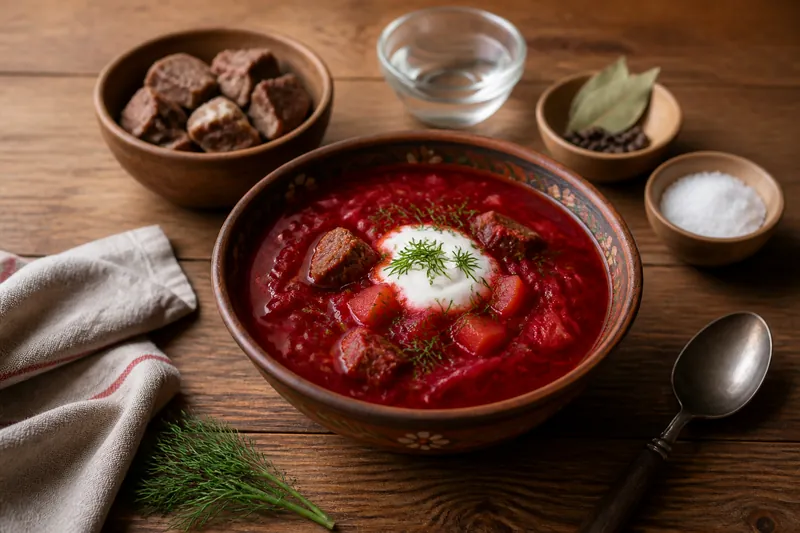
BorshchRussianOpen the recipe →Borshch is a deep red soup built on beetroot, cabbage, and a savoury stock, usually finished with sour cream and dill. Its flavour is earthy, gently sweet, and balanced by acidity, so it tastes fuller than the ingredient list suggests. It is worth cooking because it improves as it sits, and because one pot feeds well. The main thing to know is that the beetroot needs enough time to cook through and that the seasoning should end with something sour, often vinegar or lemon, to keep the colour and sharpen the broth.
Thin pancakes for sweet or savoury fillings
 BliniRussianOpen the recipe →
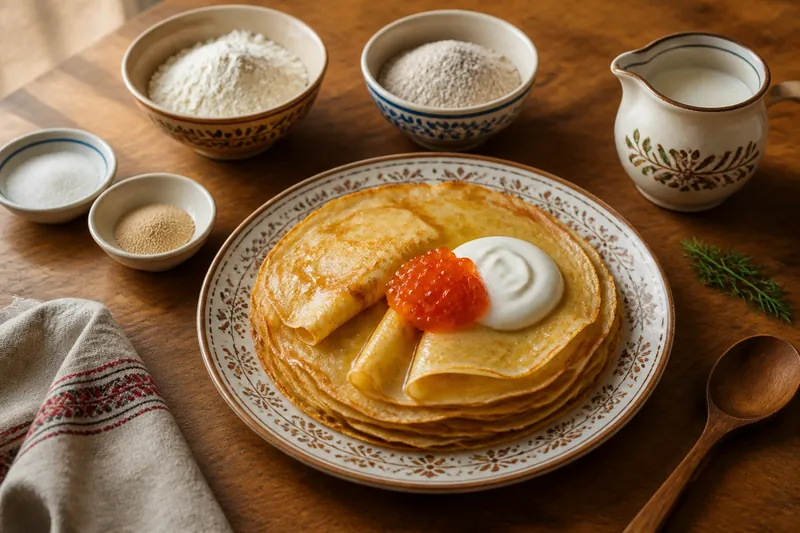
Blini are thin, delicate pancakes with a soft, flexible texture and a mild, slightly yeasty taste if made with a risen batter. They can be served with butter, jam, sour cream, smoked fish, or caviar, which is part of their appeal: they move easily between everyday and celebratory food. They are worth making because they are so adaptable and keep well once cooked. A cook should know that the batter needs rest, and the pan must be properly hot and lightly greased, otherwise the first few will tear or stick.
Tender beef in a sour cream sauce
 Classic Beef StroganoffRussianOpen the recipe →
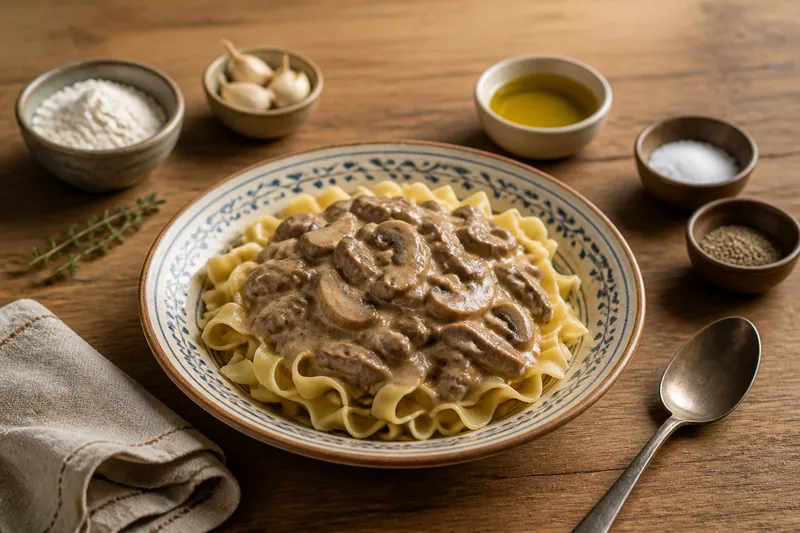
Classic Beef Stroganoff is a quick pan dish of sliced beef in a creamy sauce, usually with onions, mushrooms, and paprika. The flavour is rich but not heavy, with the tang of sour cream cutting through the meatiness. It is worth cooking because it turns a modest amount of beef into a full meal and comes together quickly. The one thing to know is that the beef should be cooked briefly and removed before the sauce is finished; overcooking makes it tough, and the sour cream should go in at the end so it does not split.
Stuffed cabbage rolls with a homely finish
 GolubtsyRussianOpen the recipe →
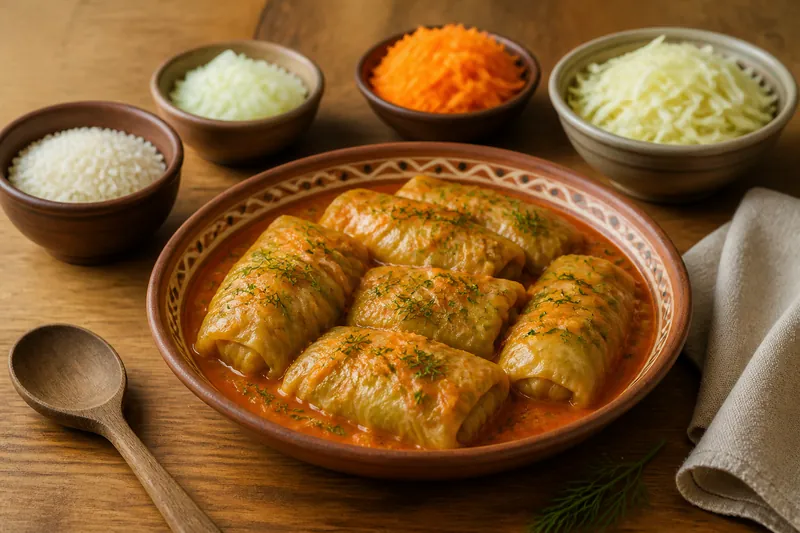
Golubtsy are cabbage leaves wrapped around a filling of minced meat, rice, onion, and seasoning, then baked or simmered in sauce. They taste mild, savoury, and softly sweet from the cabbage, with the sauce adding body and acidity. They are worth cooking because they are filling, economical, and easier than they look once the leaves are ready. A cook should know that the cabbage must be blanched until the leaves bend without splitting, and the rolls need to be packed closely so they hold their shape during cooking.
Semolina baked into a rich pudding
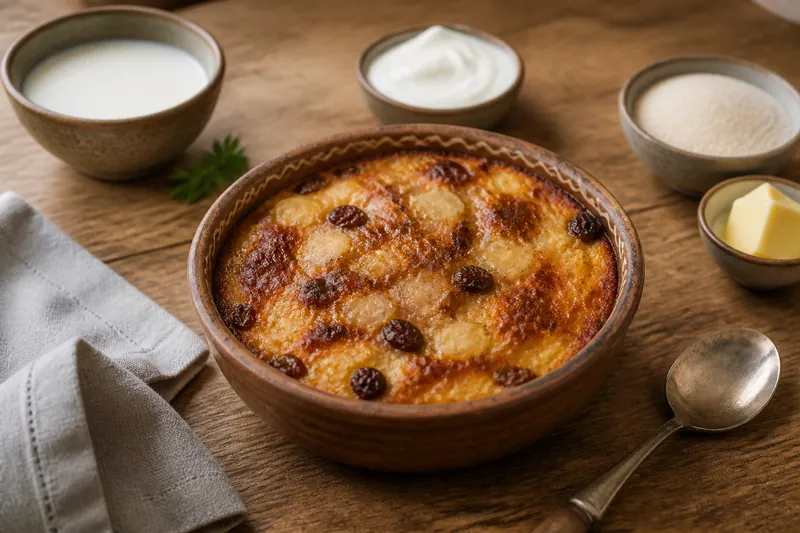 Guryevskaya KashaRussianOpen the recipe →
Guryevskaya Kasha is a layered semolina dish enriched with cream, nuts, and often fruit, cooked into something between porridge and pudding. Its taste is milky, nutty, and gently sweet, with a browned top and a soft interior. It is worth making for its texture, which is far more interesting than plain sweet cereal, and for its place at the formal end of Russian home cooking. The cook should know that the cream needs attention and the layers should be assembled with care, because the final dish depends on both a proper bake and a little patience.
Chocolate truffles made from cake crumbs
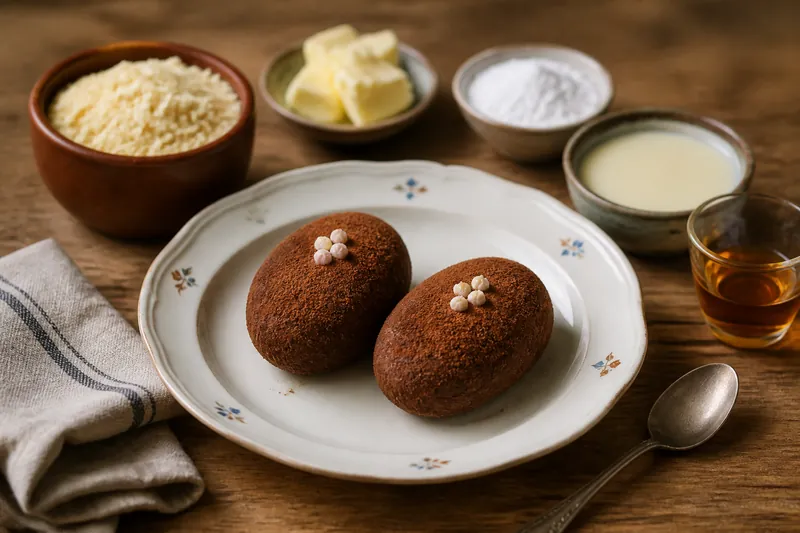 Kartoshka CakeRussianOpen the recipe →
Kartoshka Cake is a no-bake sweet made from cake crumbs, cocoa, butter, and condensed milk or similar binders, shaped to look like small potatoes. It tastes like dense chocolate fudge with a dry, crumbly edge from the crumbs inside. It is worth making because it needs no oven and can be prepared quickly from leftovers or pantry basics. The main thing to know is that the mixture must be chilled enough to hold its shape, but not so dry that it crumbles when rolled, so add the binder gradually.
Meat aspic that relies on time
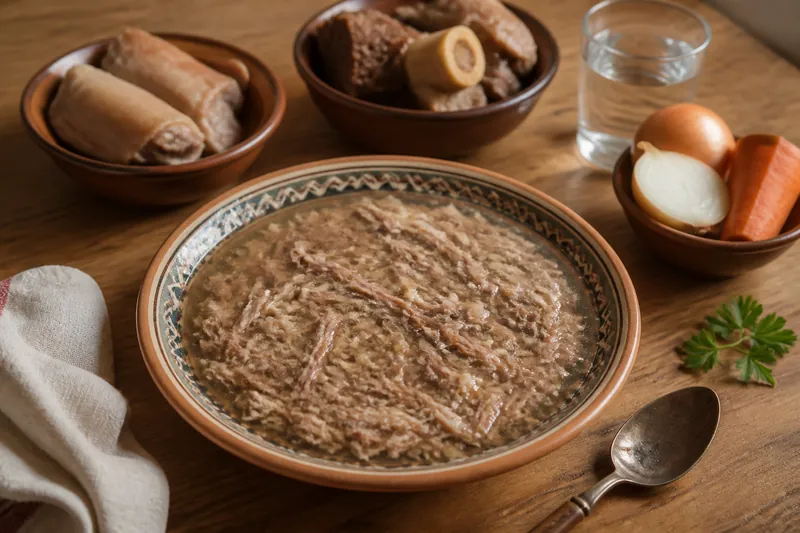 KholodetsRussianOpen the recipe →
Kholodets is a meat jelly made by simmering pork, beef, or poultry parts rich in natural gelatin, then chilling the broth with the meat suspended inside. The taste is clean, savoury, and cold, often served with mustard or horseradish to cut the richness. It is worth cooking for the way it turns humble cuts into a firm, sliceable dish with a clear flavour. The important thing to know is that the stock must be cooked long enough to gel on its own, and it should be strained carefully so the finished aspic is clear rather than cloudy.
A layered pie with a generous filling
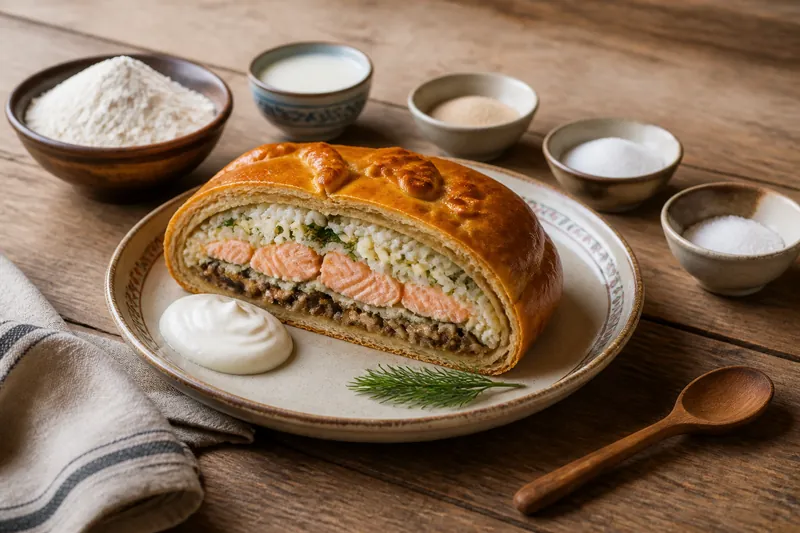 KulebyakaRussianOpen the recipe →
Kulebyaka is a large Russian pie, often made with fish, rice, eggs, mushrooms, or cabbage, arranged in layers inside a rich dough. It tastes substantial and well balanced, with the pastry giving way to a filling that can be savoury, aromatic, and slightly buttery. It is worth cooking because it shows how Russian baking can be both practical and formal. The cook should know that the filling needs to be fairly dry, otherwise the pastry will turn soggy, and the pie should be sealed well so the layers hold together when sliced.
Tall sweet bread for Easter
 KulichRussianOpen the recipe →
Kulich is a tall, enriched yeast bread, usually studded with dried fruit and topped with icing, baked for Easter. Its crumb is soft, sweet, and fragrant, closer to a festive loaf than an ordinary bread. It is worth cooking for the ritual as much as the flavour: this is bread made for celebration and sharing. A cook should know that the dough is rich and slow to rise, so the proofing times matter more than speed, and the tin must support the loaf well if it is to rise into the classic tall shape.
Pasta with minced meat, done the old way
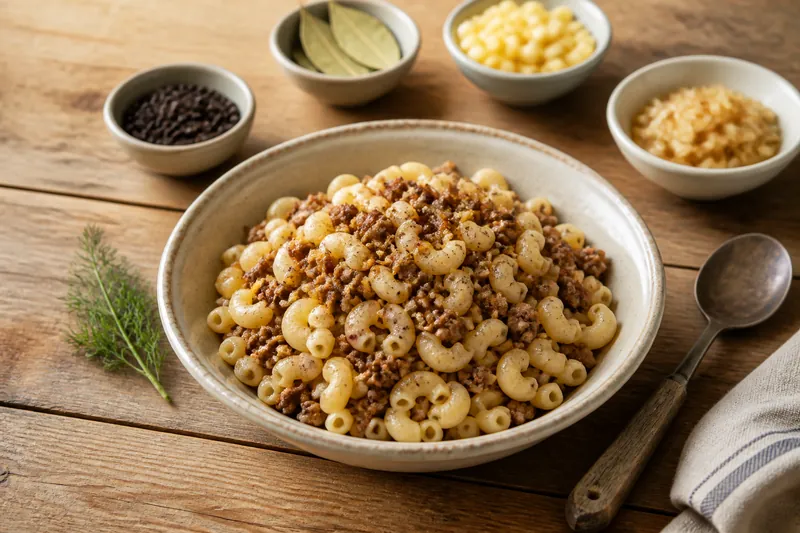 Makarony po-flotskiRussianOpen the recipe →
Makarony po-flotski is a simple pasta dish with minced meat and onion, usually browned together and mixed through short noodles. The flavour is plain but satisfying, with a savoury meatiness that depends more on good browning than on many ingredients. It is worth cooking because it is direct, filling, and useful on a weeknight. The one thing to know is that the meat should be cooked until it has real colour, not just softened, since that browning gives the dish its depth and keeps it from tasting flat.
Taken together, these dishes show how Russian cooking balances thrift, patience, and ceremony. Some are for everyday supper, some for fasting seasons or holidays, but all depend on careful timing and a sure hand with seasoning, sourness, and richness.