10 Portuguese Dishes Worth Cooking at Home
From seafood rice to salted cod, these ten Portuguese dishes show the country’s range in simple, direct cooking.

Portuguese cooking is built on a few clear habits: bread, rice, olive oil, garlic, herbs, pork, cod, and the sea. The dishes are often plain in look and generous in flavour, with long traditions behind them.
These ten are among the best known. Some are weeknight food, some are more involved, but all reward careful seasoning and attention to texture.
Salt cod, potatoes, and eggs
Bacalhau à BrásPortugueseOpen the recipe →Bacalhau à Brás is one of the most familiar ways to cook salted cod in Portugal. The fish is shredded and folded with matchstick potatoes, onions, garlic, and softly set eggs, finished with olives and parsley. It tastes savoury, rich, and lightly briny, with enough softness and crispness to keep each bite moving. It is worth cooking because it turns a humble preserved ingredient into something comforting and complete. Before starting, the cod must be properly soaked and desalted; if it still tastes harsh, the dish will not balance.
Seafood rice with a brothy finish
 Arroz de MariscoPortugueseOpen the recipe →
Arroz de Marisco is a seafood rice that sits somewhere between soup and risotto, though it keeps its own character. Shellfish and rice are cooked with tomato, onion, garlic, and herbs until the grains absorb the sea-flavoured broth. The result is full, fragrant, and deeply savoury, with the sweetness of the seafood carrying through. It is worth making because it gives real substance to a seafood meal without fuss. The key thing to know is timing: the rice should stay loose and spoonable, not dry or stiff.
Duck rice with a baked top
 Arroz de PatoPortugueseOpen the recipe →
Arroz de Pato is a rich baked rice dish made with duck, sausage, and a seasoned rice base, usually finished with a crisp top. The flavour is deeper and darker than many rice dishes, with the duck lending fat and body and the sausage adding smoke and spice. It is worth cooking because it stretches a little meat into a full family dish. A cook should know that the duck is usually cooked first and the rice assembled with some of its broth; if the seasoning is timid, the final dish can taste flat.
Bread, garlic, coriander, and egg
 Açorda à AlentejanaPortugueseOpen the recipe →
Açorda à Alentejana is a bread-based dish from the Alentejo, built from stale bread soaked with garlic, coriander, olive oil, and hot liquid, then enriched with egg. It is soft, fragrant, and earthy, with the bread becoming the texture rather than a side note. It is worth cooking because it shows how thrifty Portuguese food can be without feeling spare. The main thing to know is that the bread must be stale enough to absorb the broth without collapsing into paste; the final texture should be loose and spoonable.
Clams in garlic, wine, and coriander
 Amêijoas à Bulhão PatoPortugueseOpen the recipe →
Amêijoas à Bulhão Pato is a classic clam dish cooked quickly with olive oil, garlic, white wine, lemon, and coriander. The clams open into a fragrant sauce that is sharp, briny, and clean, best soaked up with bread. It is worth making because it depends on only a few ingredients and still tastes complete. A cook should know that the clams must be very fresh and purged of sand before cooking; if they are gritty, the whole dish suffers. Overcooking is another risk, since the clams should stay tender.
Marinated pork in a soft roll
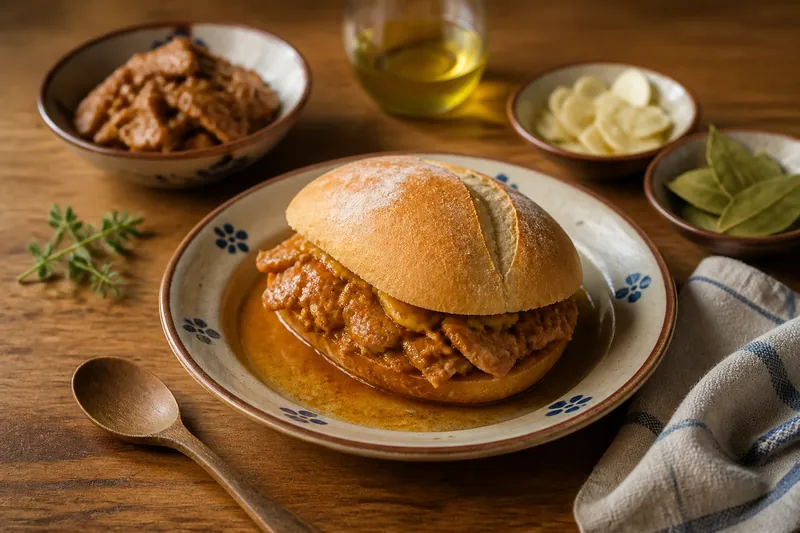 BifanaPortugueseOpen the recipe →
Bifana is a straightforward pork sandwich, usually made with thin slices of meat marinated in garlic, white wine, paprika, and bay, then fried and tucked into bread. The taste is juicy, peppery, and a little acidic, with the marinade soaking deep into the pork. It is worth cooking because it is one of the simplest ways to get serious flavour from a cheap cut. The main thing to know is that the marinade matters; the pork needs time to take on the garlic and wine, or the sandwich can taste one-note.
Madeiran flatbread with a soft crumb
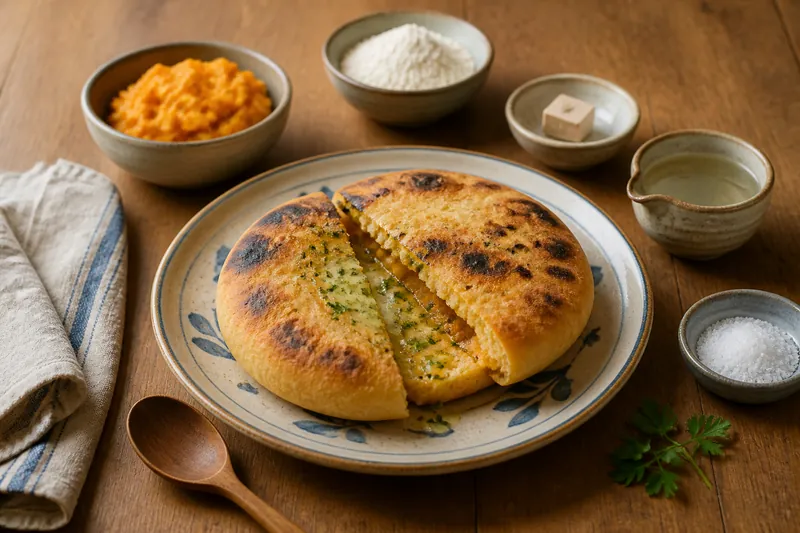 Bolo do cacoPortugueseOpen the recipe →
Bolo do caco is a Madeiran bread traditionally cooked on a hot stone or griddle, made with wheat flour and often sweet potato. The crust is lightly set while the inside stays soft, warm, and slightly sweet. It is worth cooking because it works as both bread and accompaniment, especially with garlic butter. A cook should know that the dough is not meant to be heavy or highly risen; its appeal lies in the tender crumb and the gentle flavour, not in a big loaf shape.
A smoked sausage with bread in the mix
 Alheira de MirandelaPortugueseOpen the recipe →
Alheira de Mirandela is a sausage from the north-east, made with a mixture that traditionally includes bread, meat, fat, garlic, and paprika, then smoked. It is usually fried or grilled and served with potatoes, greens, or a fried egg. The flavour is savoury, gently smoky, and seasoned rather than aggressively meaty. It is worth cooking because it has a distinctive texture and a long regional history. A cook should know that it is not handled like a raw fresh sausage in every respect; the goal is to heat it through and crisp the skin without drying it out.
Corn bread with a dense crumb
 Broa de MilhoPortugueseOpen the recipe →
Broa de Milho is a traditional Portuguese corn bread, often made with a mix of maize and wheat flour. It has a firm crust and a dense, slightly crumbly interior, with a deep, earthy flavour that suits soups, stews, and salted fish. It is worth baking because it brings a different grain profile to the table and keeps well. A cook should know that the dough can be heavier and less elastic than wheat bread dough, so it needs patience and enough hydration to avoid becoming dry.
Rice pudding with lemon and cinnamon
 Arroz docePortugueseOpen the recipe →
Arroz doce is the Portuguese rice pudding, cooked slowly until the grains are tender and the milk thickens around them. Lemon peel and cinnamon give it a clean, warm aroma, and the finished dish is creamy without being heavy. It is worth making because it is simple, familiar, and good hot or cold. The main thing to know is that the rice must be cooked patiently and stirred often enough to prevent sticking; if rushed, the pudding can catch before the grain is fully soft.
Taken together, these dishes show how Portuguese cooking balances thrift, richness, and clear seasoning. Bread, rice, seafood, pork, and cod each have their place, and the best versions depend less on complexity than on good timing and restraint.