Peru's Best-Known Dishes, From Ceviche's Countryside
These are the Peruvian dishes that define home cooking, street stalls, and celebratory tables, each with a distinct rhythm and flavor.
Peruvian cooking is broad, regional, and deeply practical. Its best-known dishes balance heat, acid, herbs, starch, and slow braising in ways that feel direct rather than ornate.
Taken together, these plates show how much the country cooks with potatoes, rice, corn, ají, peanuts, and rice, and how often a single dish carries both weekday comfort and festive weight.
A Sunday stew with patience built in
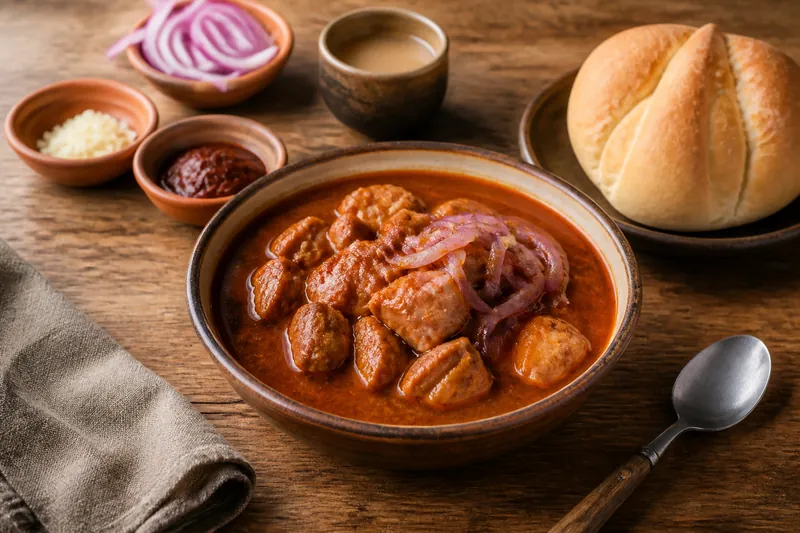
Adobo arequipeñoPeruvianOpen the recipe →Adobo arequipeño is a pork stew from Arequipa, seasoned with ají panca, garlic, vinegar, chicha or beer, and plenty of spice. It is dark, fragrant, and gently sour, with meat that softens into the sauce after a long marination and a slow cook. The best versions are eaten with bread, boiled potatoes, or white rice. It is worth cooking for its depth alone, but it needs planning: the overnight marination is not optional if you want the pork to taste fully seasoned.
Green, light, and deeply savory
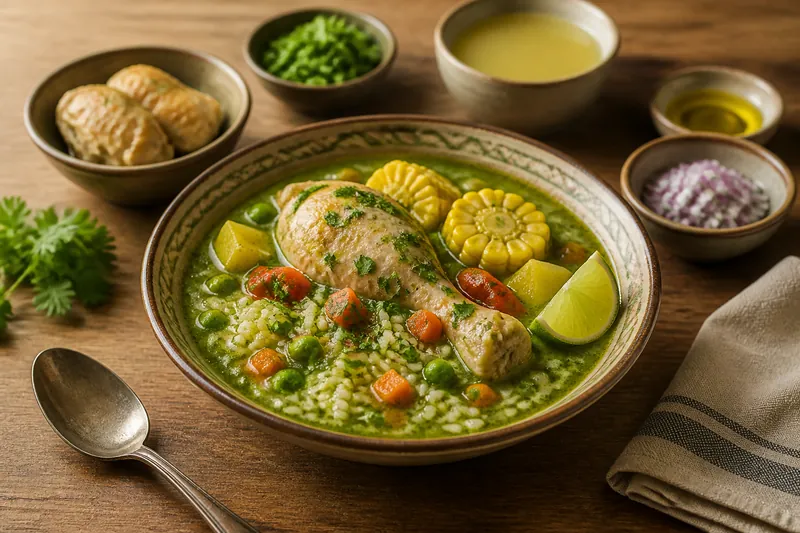 Aguadito de polloPeruvianOpen the recipe →
Aguadito de pollo is a chicken soup built on cilantro, ají amarillo, rice, and vegetables, with a broth that turns a vivid green. It tastes clean but not thin, with enough body from the rice to make it a meal. Corn and peas often add sweetness and texture. This is one of the most satisfying ways to cook chicken in Peru because it feels restorative without being plain. Start with a good stock if you can, and keep the cilantro bright by adding it late, so the soup stays fresh in flavor and color.
Creamy chicken with a quiet heat
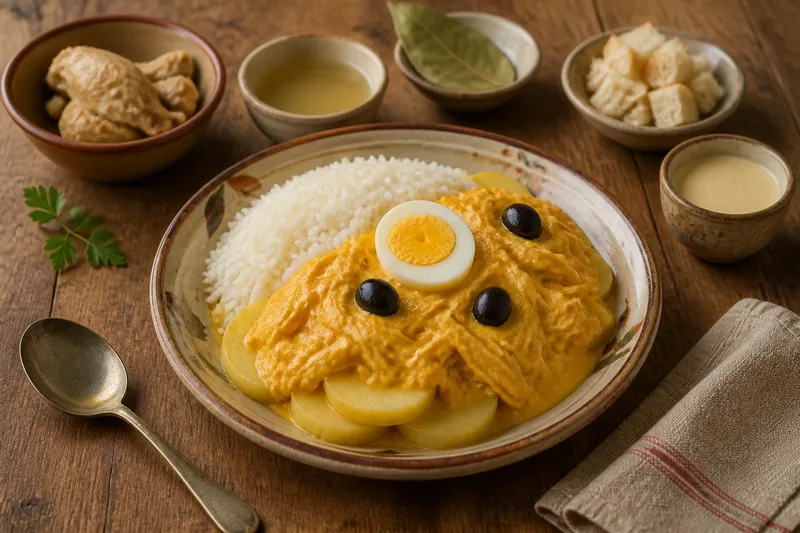 Ají de GallinaPeruvianOpen the recipe →
Ají de gallina is shredded chicken in a thick sauce of bread, milk, cheese, walnuts, and yellow ají. It is mellow, creamy, and gently spicy, with a flavor that sits between comfort food and celebration. Served with rice, potatoes, olives, and egg, it is one of the most familiar dishes in Lima and beyond. It is worth making because the sauce is unusually rich without feeling heavy. The main thing to know is that the chicken should be poached gently and the sauce stirred patiently, so it stays smooth rather than grainy.
Skewers with smoke and vinegar
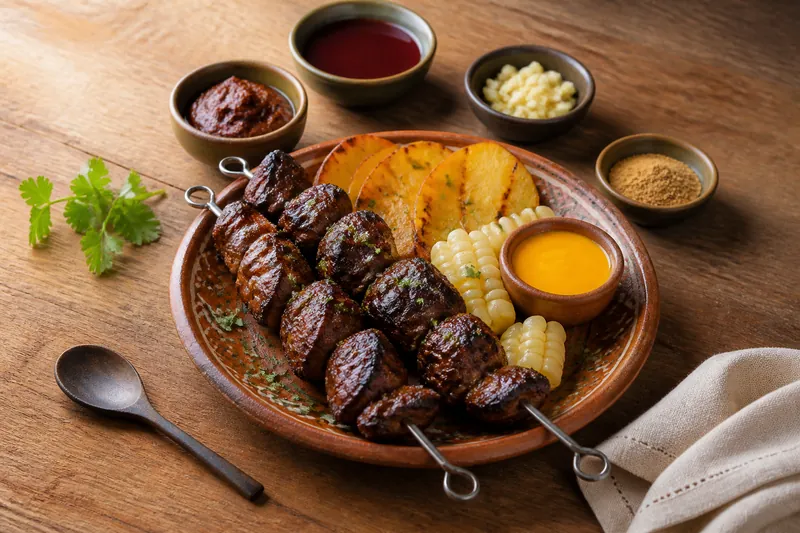 AnticuchosPeruvianOpen the recipe →
Anticuchos are grilled skewers, usually of beef heart, marinated in vinegar, garlic, cumin, and ají panca. They taste smoky, sharp, and savory, with a firm chew that becomes tender when cooked properly. Street vendors serve them hot from the charcoal grill, often with potato and corn. They are worth making because they show how much flavor Peru gets from a simple marinade and intense heat. The cook should know that the heart needs time in the marinade and a hot grill; rushed cooking leaves it tough and underseasoned.
Rice and duck in one pot
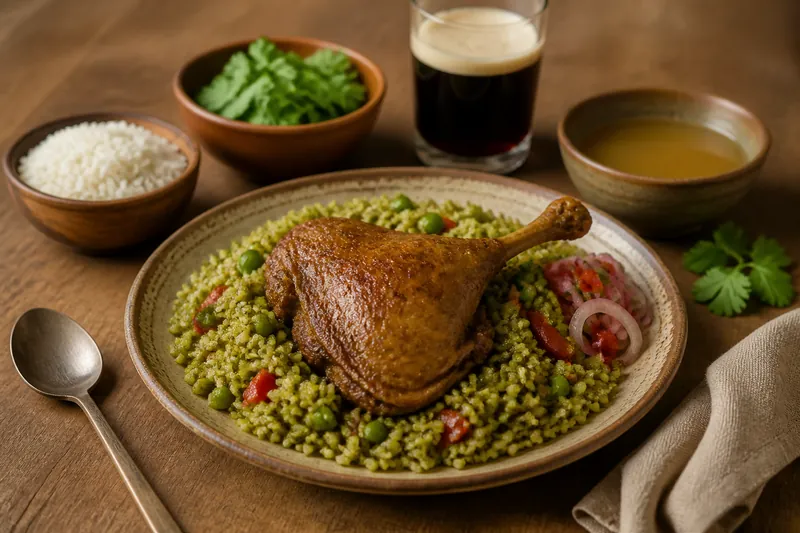 Arroz con patoPeruvianOpen the recipe →
Arroz con pato pairs duck with rice cooked in a herb-heavy, beer- or chicha-based broth, often scented with cilantro and peas. The flavor is rich, grassy, and slightly sweet, with the duck lending depth to every grain. It is one of the great northern Peruvian dishes, substantial enough for a gathering but still grounded in home cooking. It is worth making because the rice absorbs everything the bird gives off. The key point is to brown the duck well before the rice goes in, so the pot has enough flavor to carry the whole dish.
Sweet rice with a dark, molasses note
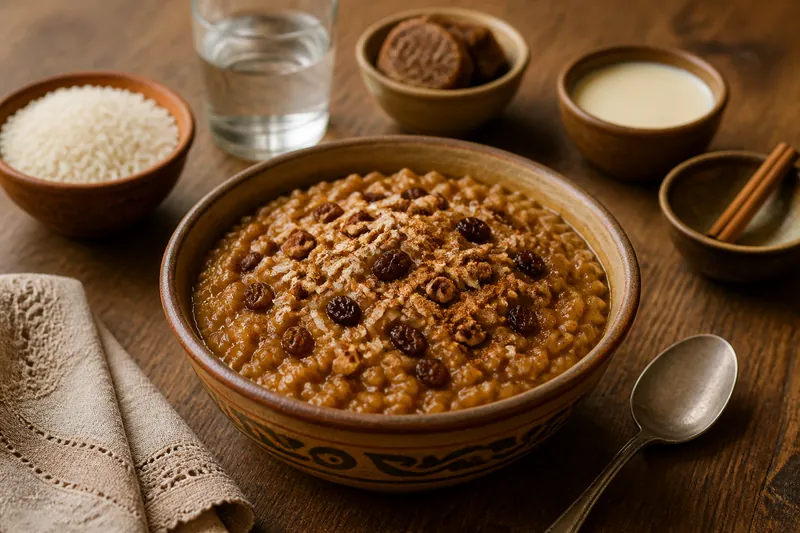 Arroz zambitoPeruvianOpen the recipe →
Arroz zambito is a Peruvian rice pudding made with chancaca, cinnamon, cloves, raisins, and coconut or dried fruit depending on the household. It is dark, sticky, and warmly spiced, with a flavor closer to caramel than to plain milk pudding. The texture should be soft but not soupy. It is worth cooking because it captures the dessert side of Peruvian home food without needing many ingredients. A cook should know that the rice must be watched closely as it thickens; once the milk and sugar reduce, it can catch on the bottom.
The sandwich that belongs to Lima
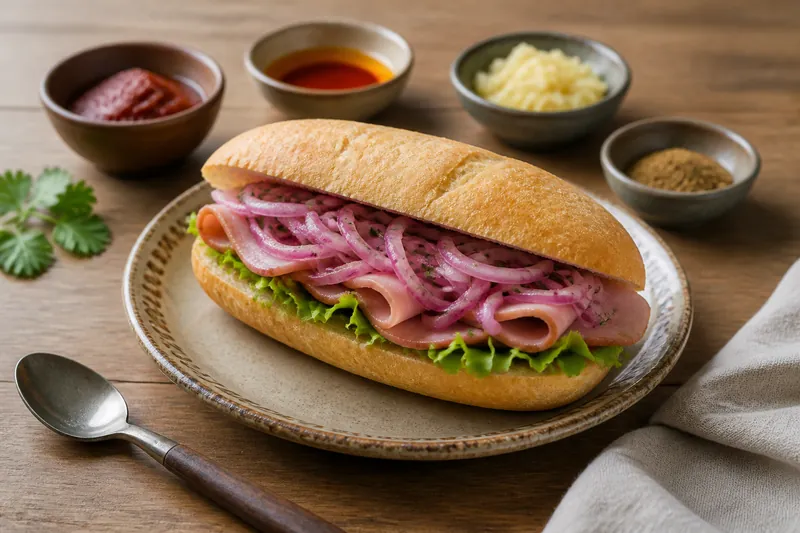 ButifarraPeruvianOpen the recipe →
Butifarra is a Peruvian sandwich built around sliced ham, salsa criolla, and a crusty roll, usually eaten as a snack or light meal. The filling is crisp, sharp, and salty, with the onions bringing acid and crunch against the soft bread and ham. It is simple, but that is the point: the sandwich depends on balance more than complexity. It is worth making because it shows how Peruvian cooking handles restraint as well as braises. The only thing to keep in mind is that the onions should be well dressed and rested, so they lose their raw bite and turn bright rather than harsh.
Andean stew with dried potato
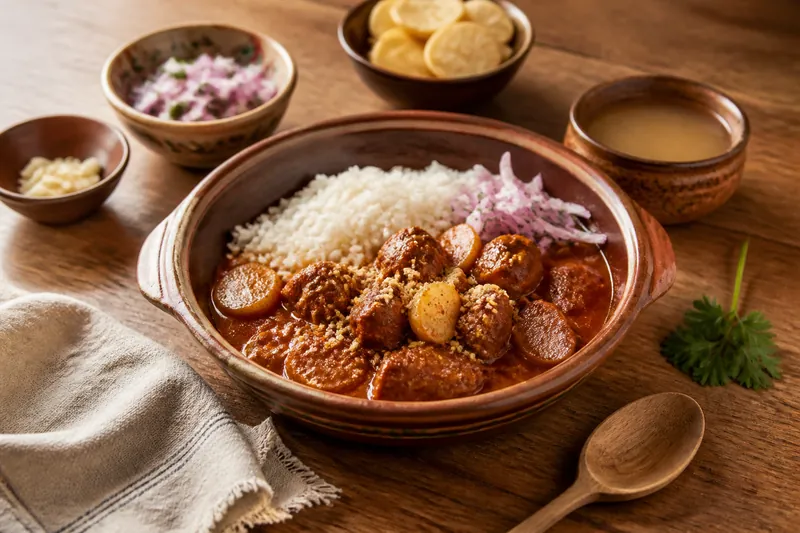 CarapulcraPeruvianOpen the recipe →
Carapulcra is a thick stew made with dried potatoes, pork, ají, peanuts, and often a touch of cinnamon or clove. It tastes earthy, nutty, and deeply seasoned, with a texture that is both stew-like and starchy. The dried potatoes give it a character no fresh potato can match. It is worth cooking because it carries old Andean technique into a dish that still feels substantial and modern on the table. The main thing to know is that the dried potatoes need soaking and time to soften properly, so this is not a last-minute meal.
A tripe stew with bright seasoning
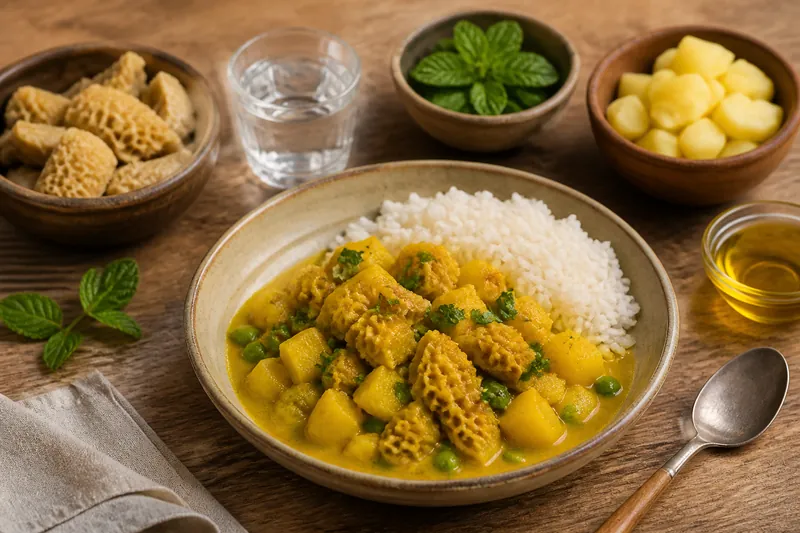 Cau cauPeruvianOpen the recipe →
Cau cau is a stew of tripe and potatoes seasoned with ají amarillo, mint, onion, and garlic. It tastes savory and slightly herbal, with a soft, spoonable texture and cubes of potato that help bind the broth. Done well, it is comforting rather than aggressive, with enough heat to keep it lively. It is worth making because it turns an inexpensive cut into something full and satisfying. The important thing to know is that the tripe must be cooked until tender before the final seasoning is adjusted; if it stays chewy, the dish loses its balance.
Layered potato, cool and sharp
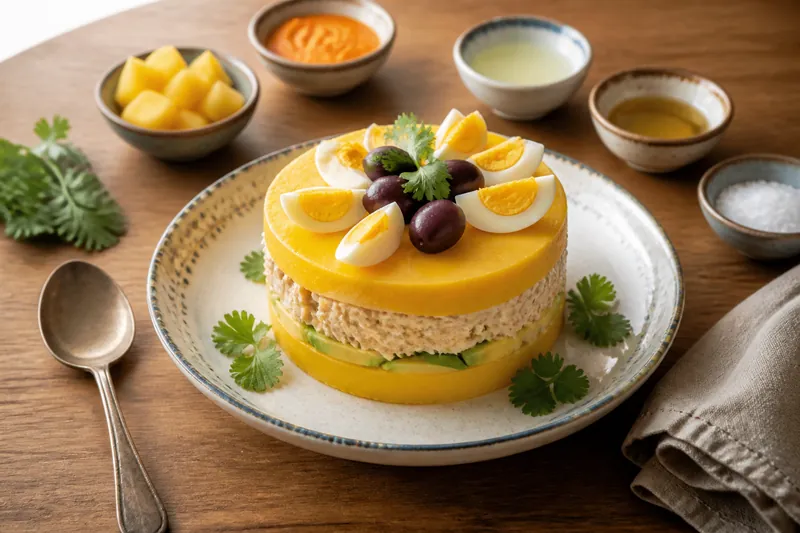 Causa limeñaPeruvianOpen the recipe →
Causa limeña is a chilled potato dish layered or molded with lime, ají amarillo, oil, and fillings such as tuna, chicken, or seafood. It tastes bright, creamy, and clean, with the potato carrying more flavor than its color suggests. The texture should be smooth and light, not dense. It is worth cooking because it shows how Peru turns the potato into something elegant without much fuss. The cook should know that the mash needs careful seasoning while warm, before the filling goes in, because once assembled the layers should taste balanced on their own.
These dishes are different in form, but they share the same logic: careful seasoning, strong regional identity, and a habit of making familiar ingredients do more than one job. That is part of why Peruvian cooking travels so well and stays so local.