Ten dessert dishes worth making at least once
From flaky pastry to spoonable custard, these desserts reward careful cooking with texture, contrast, and a clear sense of place.
The best desserts are not always the grandest. They are the ones that balance sweetness with texture, keep their shape on the plate, and still taste of the place they come from.
These dishes cover that ground well: syrup-soaked pastry, baked custard, fruit pies, filled pastries, and the kind of warm puddings and chilled sweets people return to year after year.
Thin layers, syrup, and restraint
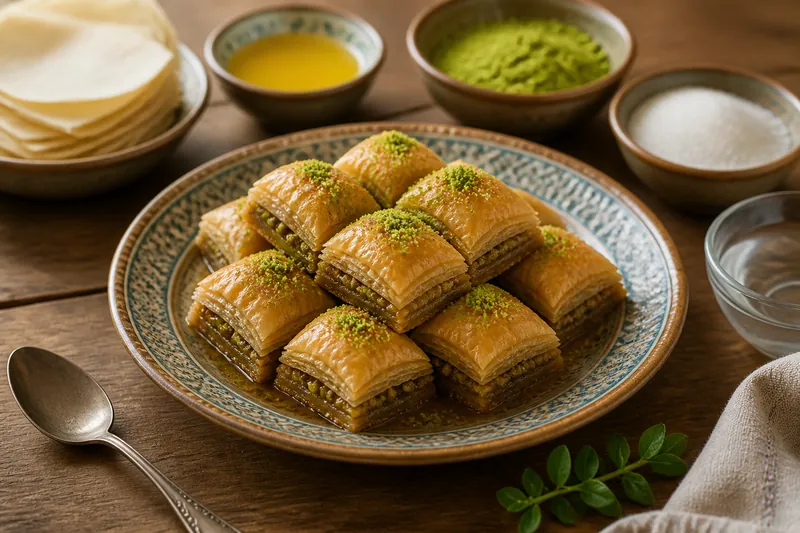
BaklavaTurkishOpen the recipe →Baklava is built from paper-thin pastry, butter, nuts, and syrup, baked until crisp and then soaked so each layer drinks in sweetness without going soft. The best versions taste of toasted nuts, butter, and a little floral or citrus lift from the syrup. It is worth cooking because the contrast is precise: brittle top, chewy middle, and a clean finish. What a cook should know is that the syrup and pastry must be handled with care; either the syrup is too hot or the pastry is too cool, and the texture can slide from crisp to heavy.
Silky custard under a hard shell
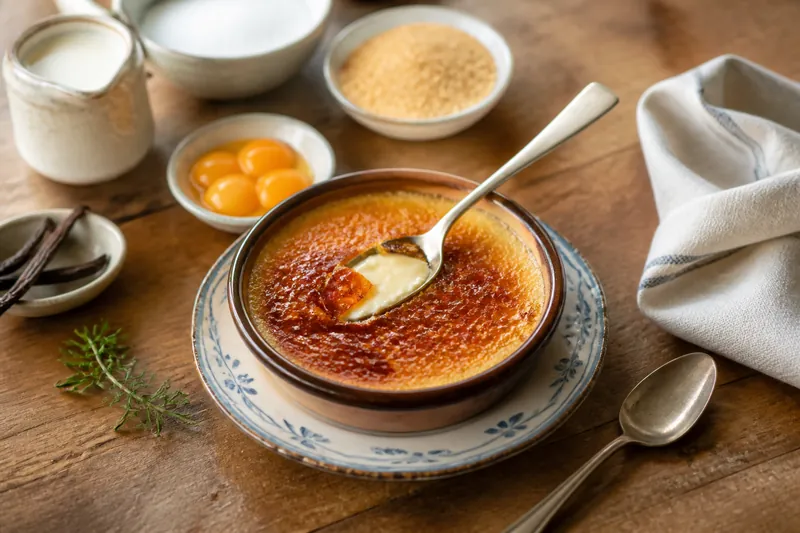 Classic Crème BrûléeFrenchOpen the recipe →
Classic crème brûlée is a rich vanilla custard baked gently, then capped with a thin layer of caramelized sugar that cracks under a spoon. It tastes of cream, egg yolk, and vanilla, with the burnt-sugar top adding bitterness and crunch. It is worth cooking because the contrast is so exact: cool custard below, brittle caramel above. One thing to know is that the custard needs gentle heat and patience; overbaking gives it a grainy texture, so watch for a slight wobble rather than a firm set.
Dense, tangy, and generous
 Classic New York CheesecakeDessert / SweetsOpen the recipe →
Classic New York cheesecake is tall, dense, and lightly tangy, usually set on a crumb crust and baked until just firm. It tastes rich without being cloying, with cream cheese, eggs, and vanilla carrying most of the flavor. It is worth cooking because it slices cleanly and holds well, making it one of the most dependable celebration desserts. A cook should know that this cake is not meant to be hurried; a slow bake and gradual cooling help prevent cracks and keep the texture smooth and compact.
A bakery-style slice with weight
 New York Style CheesecakeBakery / PastriesOpen the recipe →
New York Style cheesecake is the kind of large, substantial cheesecake found in deli counters and bakery cases, with a creamy body and a firm, sliceable structure. The flavor is mild, milky, and slightly sharp from the cream cheese, often resting on a simple crumb crust. It is worth cooking because it delivers a familiar, satisfying finish that works plain or with fruit. One thing to know is that even a sturdy cheesecake needs careful handling; avoid overmixing the batter, which can add too much air and cause uneven baking or cracks.
Fruit, spice, and a proper crust
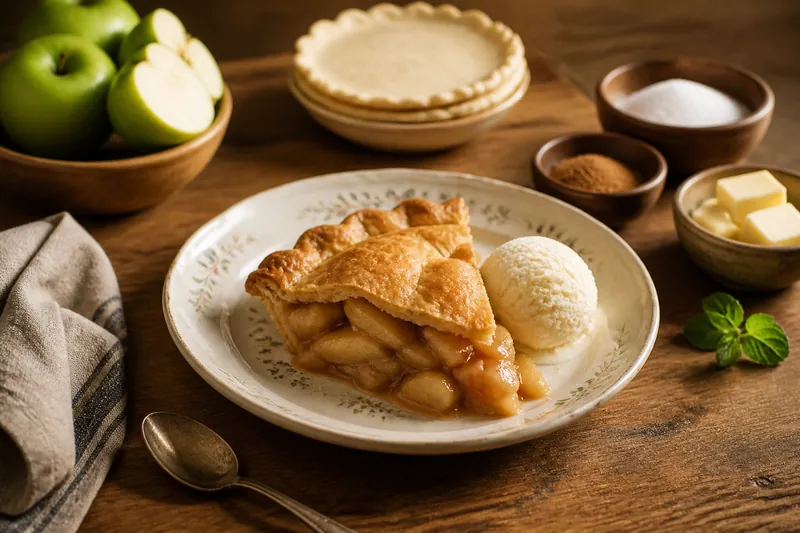 Traditional Apple PieAmericanOpen the recipe →
Traditional apple pie is all about contrast: soft apples, sugar, spice, and a pastry shell that stays crisp enough to cut cleanly. It tastes of baked fruit, cinnamon, and butter, with the filling turning jammy at the edges and tender in the middle. It is worth cooking because it is both plain and complete, a dessert that needs little more than cream or ice cream beside it. A cook should know that the filling must be balanced; too much liquid and the crust softens, too little and the apples stay dry.
Choux pastry with a clean finish
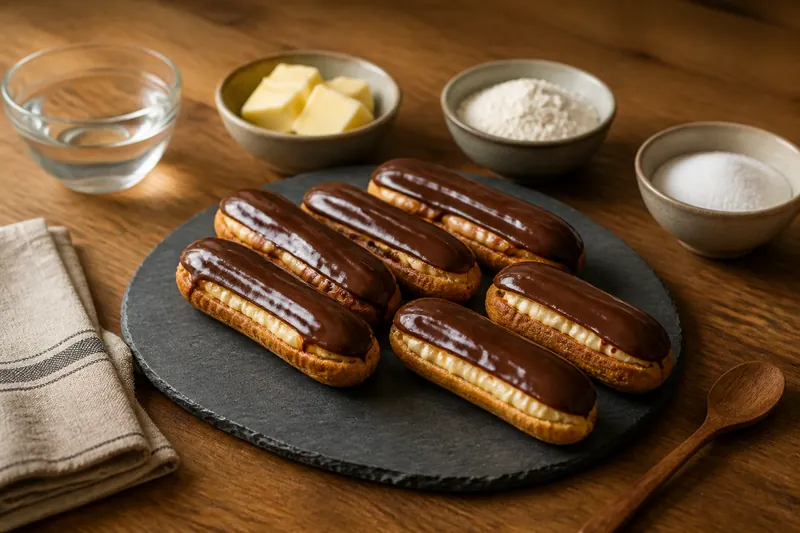 Classic Chocolate ÉclairsBakery / PastriesOpen the recipe →
Classic chocolate éclairs are made from choux pastry, baked into crisp shells, filled with cream, and topped with chocolate glaze. They taste light at first, then creamy, with the glaze adding a dark, slightly bitter note that keeps the sweetness in check. They are worth cooking because they show what choux can do: hollow, airy pastry with a sharp contrast of textures. One thing to know is that choux is unforgiving of distraction; the dough must be cooked properly on the stove and baked long enough to dry, or the shells may collapse.
Warm bread pudding with nuts and milk
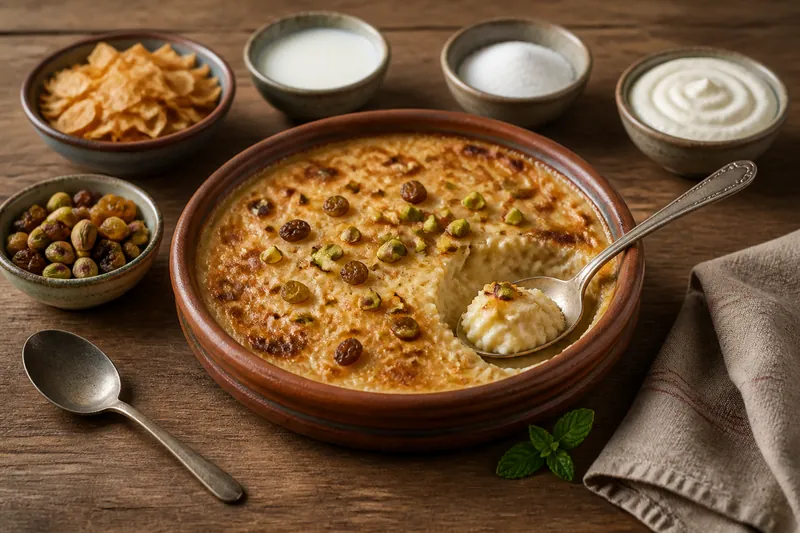 Om AliEgyptianOpen the recipe →
Om Ali is a baked Egyptian dessert made with pastry or bread, milk, sugar, nuts, and often raisins or coconut, all heated until soft and fragrant. It tastes like a warm milk pudding with toasted edges, sweet but not refined, and deeply comforting. It is worth cooking because it comes together quickly and turns humble ingredients into something rich and fragrant. A cook should know that the bread or pastry should be broken into pieces and distributed well, so the milk reaches every layer without leaving the dish soggy in one place and dry in another.
Nut forward and fragrant
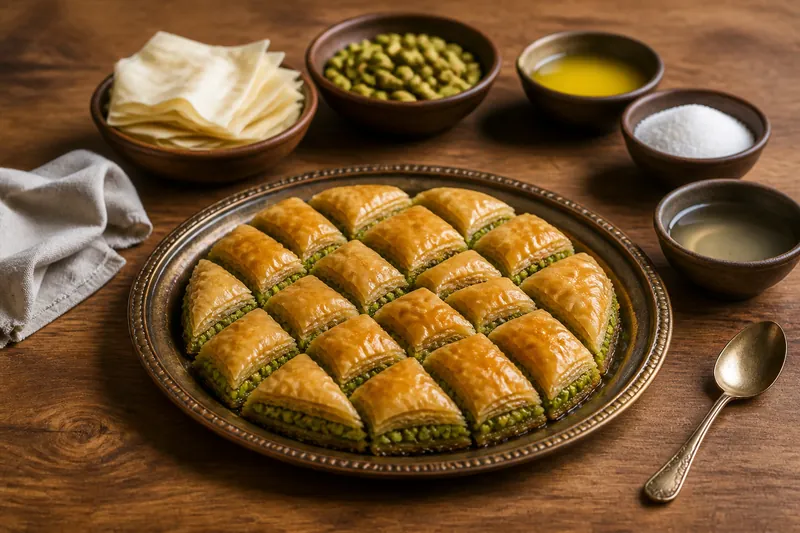 Pistachio BaklavaDessert / SweetsOpen the recipe →
Pistachio baklava keeps the same crisp pastry and syrup structure as the classic version, but the pistachios bring a greener flavor and a softer, sweeter nuttiness. The result tastes bright, rich, and a little more delicate than walnut-based baklava, with the pistachio flavor showing best when the nuts are freshly ground. It is worth cooking because the color and taste are both vivid, and the pieces look especially fine on a plate. One thing to know is that pistachios can lose their freshness quickly, so use good nuts and do not overheat them while preparing the filling.
Sweet rice and ripe fruit
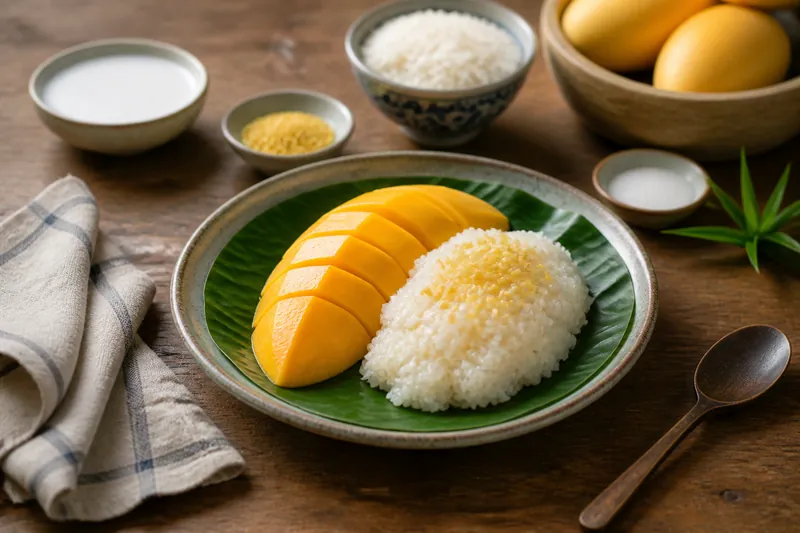 Mango Sticky RiceThaiOpen the recipe →
Mango sticky rice is a Thai dessert of glutinous rice cooked until tender and served with ripe mango and sweet coconut sauce. It tastes of warm coconut cream, fragrant rice, and fruit that is fully ripe and floral, not sharp. It is worth cooking because the balance is gentle and exact: creamy, chewy, and fresh at once. One thing to know is that the rice needs time to soak before cooking, which is not optional if you want the right texture. Choose mangoes that are soft and aromatic, or the dish loses its point.
A set exterior and flowing center
 Molten Chocolate Lava CakeDessert / SweetsOpen the recipe →
Molten chocolate lava cake is a small baked cake with a firm edge and a soft chocolate center that flows when cut. It tastes intensely of chocolate, with a bittersweet depth if the cocoa and chocolate are good, and a warm, puddinglike middle that makes it feel richer than its size suggests. It is worth cooking because it gives a restaurant-style result with little more than careful timing. One thing to know is that the baking time is everything; even a minute too long can turn the center from molten to fully set.
These desserts ask for different kinds of attention, but each rewards the cook in the same way: with texture that matters, flavor that stays clear, and a dish worth returning to.