The British dishes every cook should know and try
From suet pastry to trifle, these familiar British dishes show how practical cooking became deeply loved comfort food.
British cooking has a plain reputation, but its best-known dishes are carefully made, sturdy, and full of character. They rely on pastry, potatoes, oats, cream, fruit, and long familiarity rather than show.
Some were built for workdays and cold weather, others for celebration, and a few travelled far before becoming part of the national table. Together they explain how British food is best understood through comfort, thrift, and good timing.
Jam, almond cream, and shortcrust
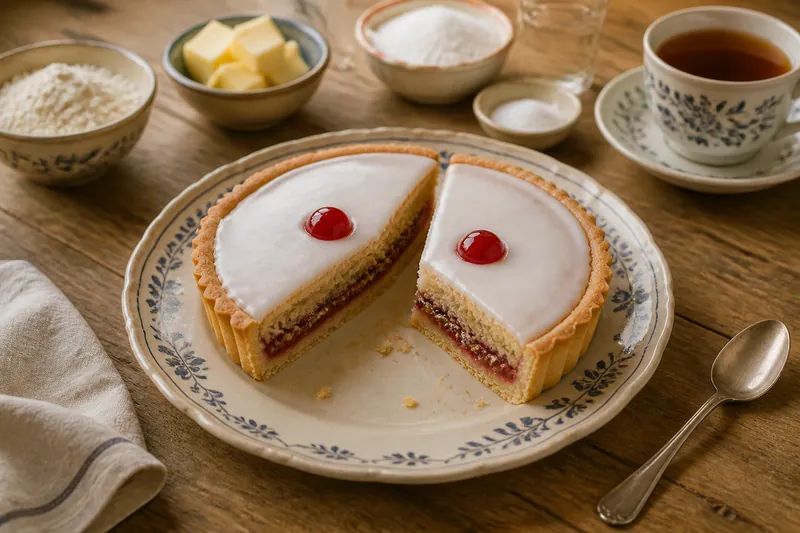
Bakewell TartBritishOpen the recipe →Bakewell Tart is a neat tart of pastry, jam, and a frangipane-style almond filling, usually finished with a simple icing or flaked almonds. It tastes sweet, nutty, and buttery, with the sharpness of raspberry or another red jam cutting through the richness. Its appeal lies in that contrast and in the clean slice it gives when cooled properly. A cook should know the tart needs time to set after baking, or the filling will slump and the layers will blur.
Sausages, potatoes, and onion gravy
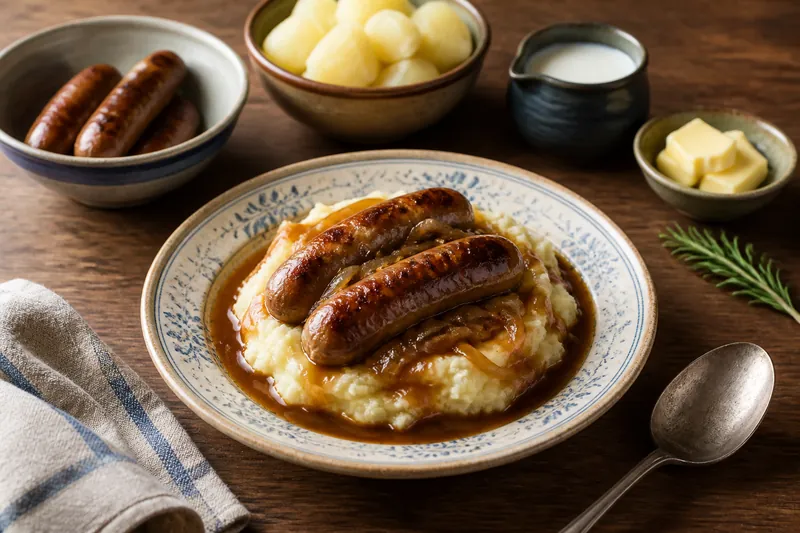 Bangers and MashBritishOpen the recipe →
Bangers and Mash is one of the plainest and most satisfying plates in British cooking: sausages with mashed potatoes, usually under a glossy onion gravy. The dish tastes savory, peppery, and soft around the edges, with the mash carrying the gravy and the sausages giving the dish its shape. It is worth cooking because it turns a few ordinary ingredients into something complete. A cook should know that good mash needs enough butter and milk, and the gravy should be seasoned boldly enough to stand up to the potatoes.
A celebratory roast in pastry
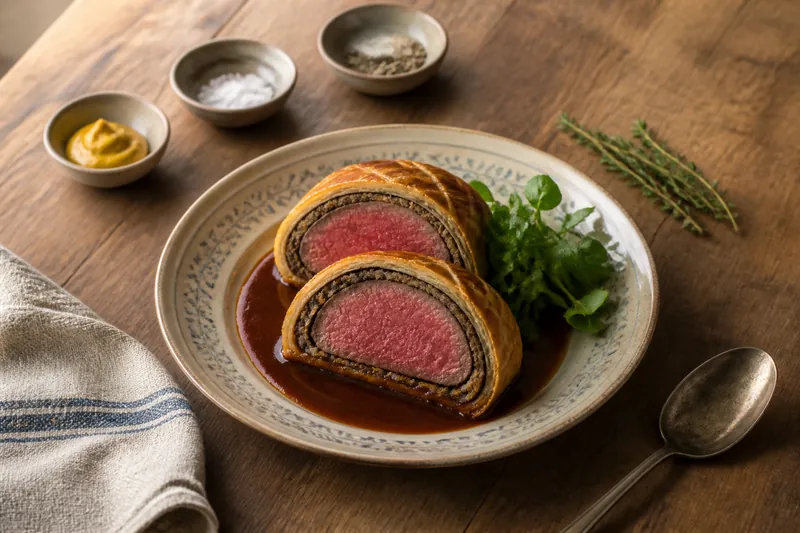 Beef WellingtonBritishOpen the recipe →
Beef Wellington wraps a trimmed beef fillet in mushroom mixture and pastry, then bakes it until the crust is crisp and the meat stays tender. The flavor is rich and layered: beefy at the center, earthy from the mushrooms, and buttery from the pastry. It is worth cooking when you want a classic centerpiece with drama and precision. A cook should know the beef must be well dried and cooled before wrapping, or steam will soften the pastry and spoil the finish.
The fried edge of leftovers
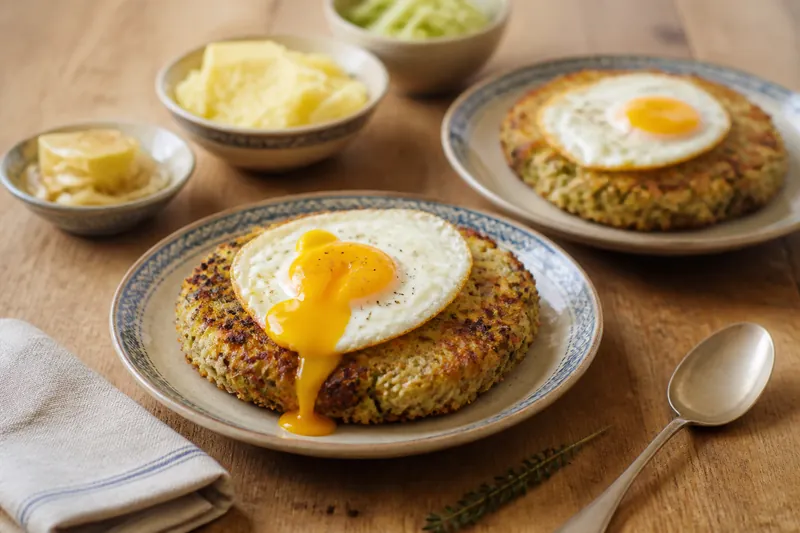 Bubble and SqueakBritishOpen the recipe →
Bubble and Squeak is a pan-fried mix of cooked potato and cabbage, often made from leftovers after a roast. It tastes earthy, creamy, and slightly sweet, with crisp browned patches where the mixture has sat in the pan long enough to catch. Its charm is in the contrast between soft middle and rough crust. It is worth cooking because it rescues modest ingredients and makes them feel new. A cook should know the pan must be hot enough to color the mixture, but not so hot that it burns before it sets.
Charred chicken in a spiced sauce
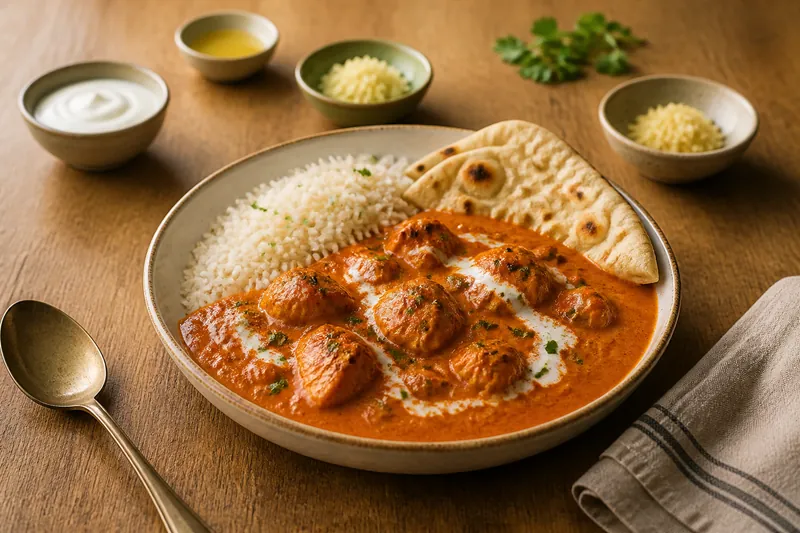 Chicken Tikka MasalaBritishOpen the recipe →
Chicken Tikka Masala is made from marinated chicken cooked until lightly charred, then folded into a creamy, spiced tomato sauce. It tastes warm, tangy, and gently rich, with yogurt and spices giving the chicken depth before it ever meets the sauce. It is worth cooking because the marination builds flavor and the finished dish is broad enough for rice or flatbread. A cook should know the chicken needs time in the marinade; without it, the dish tastes flatter and the sauce carries too much of the work.
Chicken, leeks, and prunes
 Cock-a-leekie SoupBritishOpen the recipe →
Cock-a-leekie Soup is a clear, old-style soup of chicken and leeks, sometimes enriched with rice and prunes. It tastes gentle but full, with sweet leek, savory broth, and a faint fruit note from the prunes if they are used. It is worth making for its balance and its long, clean finish. A cook should know the broth must be simmered slowly so the chicken stays tender and the leeks soften without turning stringy or harsh.
Portable pastry with beef and root vegetables
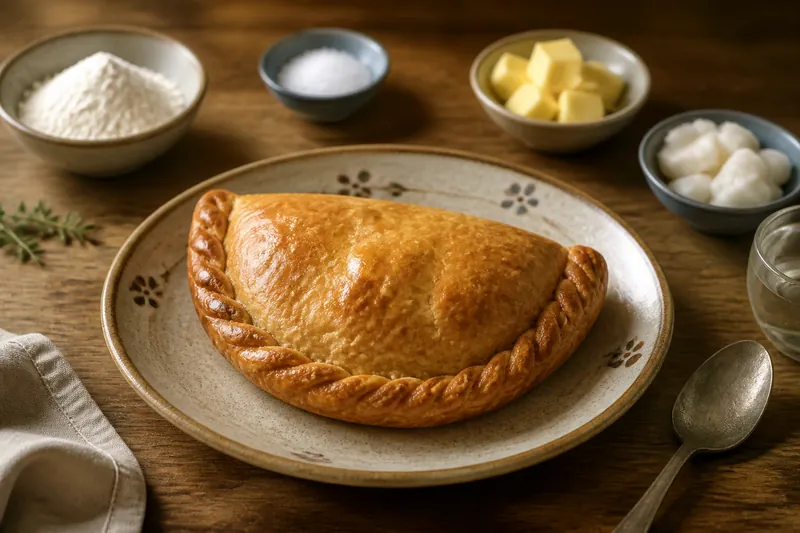 Cornish PastyBritishOpen the recipe →
Cornish Pasty is a crimped hand pie filled with beef, potato, onion, and swede. It tastes hearty, peppery, and slightly sweet from the vegetables, with the pastry sealing in the juices and giving the filling its richness. It is worth cooking because it is both practical and deeply satisfying, meant to be eaten by hand yet still feel substantial. A cook should know the filling must be cut small and the pastry kept cold, or the pasty will leak before it browns properly.
Beef beneath a potato crust
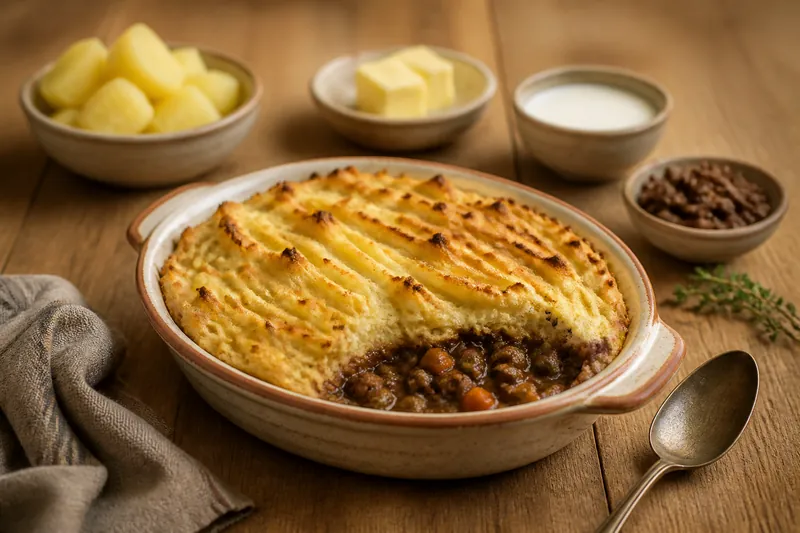 Cottage PieBritishOpen the recipe →
Cottage Pie is a baked dish of minced beef in gravy, topped with mashed potato and browned in the oven. It tastes savory and comforting, with the meat filling bringing depth and the potato topping turning crisp at the peaks. It is worth cooking because it stretches simple ingredients into a proper meal and reheats well the next day. A cook should know the filling needs to be reduced enough before topping, or extra liquid will seep into the mash and keep the top pale.
Smoked fish soup from the north
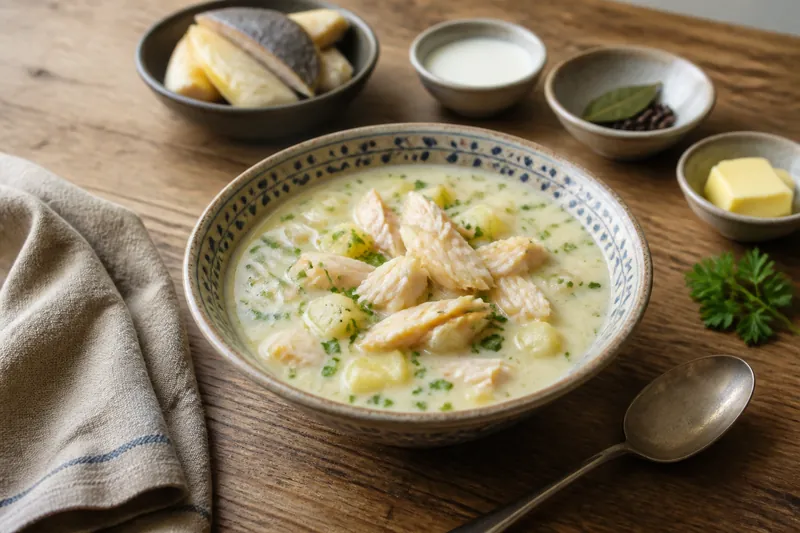 Cullen skinkBritishOpen the recipe →
Cullen skink is a thick Scottish soup of smoked haddock, potatoes, and onions, usually finished with milk or cream. It tastes smoky, briny, and softly sweet, with the potatoes giving the broth body and the fish carrying the dish. It is worth cooking because it is direct, warming, and more refined than it first seems. A cook should know the fish must be handled gently; hard boiling breaks it up and makes the soup cloudy instead of velvety.
Broken meringue, cream, and strawberries
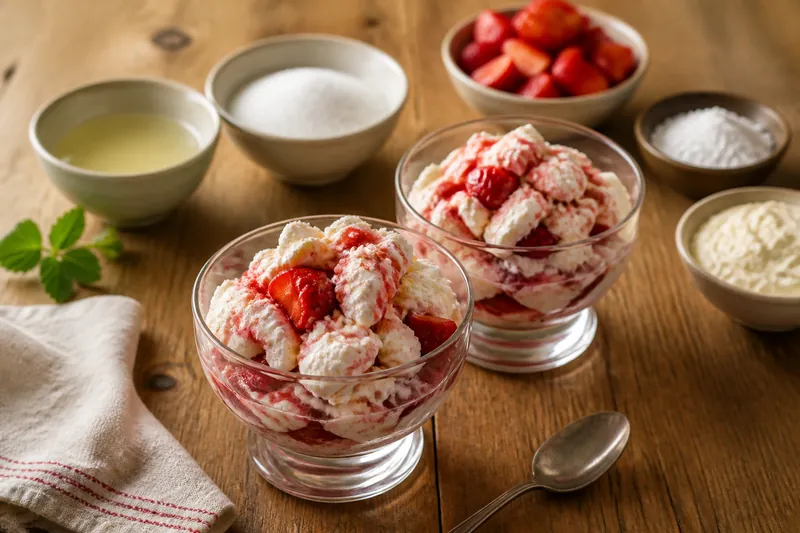 Eton MessBritishOpen the recipe →
Eton Mess is a dessert of strawberries, cream, and crushed meringue, folded together just before serving. It tastes fresh, sweet, and airy, with crisp shards of meringue melting into the cream and the fruit bringing sharpness. It is worth making because it needs little technique but still feels special and seasonal. A cook should know the meringue should stay dry and crisp until the last minute, or the dessert loses its texture and becomes merely soft and sweet.
Taken together, these dishes show British cooking at its best: not elaborate, but exact in its own way. They depend on balance, timing, and ingredients that know how to work hard. That is why they have lasted, and why they still belong on the table.