Bread Dishes Worth Cooking From Around the World
Flatbreads, cheese breads, and griddle cakes that are plain to make, easy to love, and rooted in home cooking.

Bread dishes tell you a lot about a kitchen. Some are meant to be torn warm, some eaten with tea, some filled or topped, and some are little more than flour, water, and patience turned useful.
The ones below are worth cooking because they are direct. They ask for basic ingredients, but they reward attention to heat, resting, and the feel of the dough.
Herb-strewn bread with a sharp, oily edge
Manakish Za'atarLebaneseOpen the recipe →Manakish za'atar is a Lebanese flatbread spread with a mixture of thyme, sesame, sumac, and olive oil, then baked until the edges catch and the surface smells green and nutty. It tastes savory, bright, and a little sour, with the softness of bread underneath the herb paste. It is worth cooking because it gives a lot of flavor for very little machinery. What matters most is the dough: it should be rested enough to stretch thin without shrinking back, and the za'atar mixture should be spread evenly so it does not dry out in patches.
A pan bread with a crisp top and soft crumb
 Rustic Garlic Focaccia BreadItalianOpen the recipe →
Rustic garlic focaccia is all about contrast: a chewy, airy interior and a salted crust brushed with oil, garlic, and often herbs. It smells of roasted garlic as it bakes and eats like a bread that can stand beside soup, salad, or cheese without disappearing. It is worth cooking because the method is forgiving and the result feels generous. The thing to know is that focaccia needs time in the pan to rise properly; do not rush the second proof, or you will lose the open crumb that makes it worth having.
Layers of bread and cheese with real weight
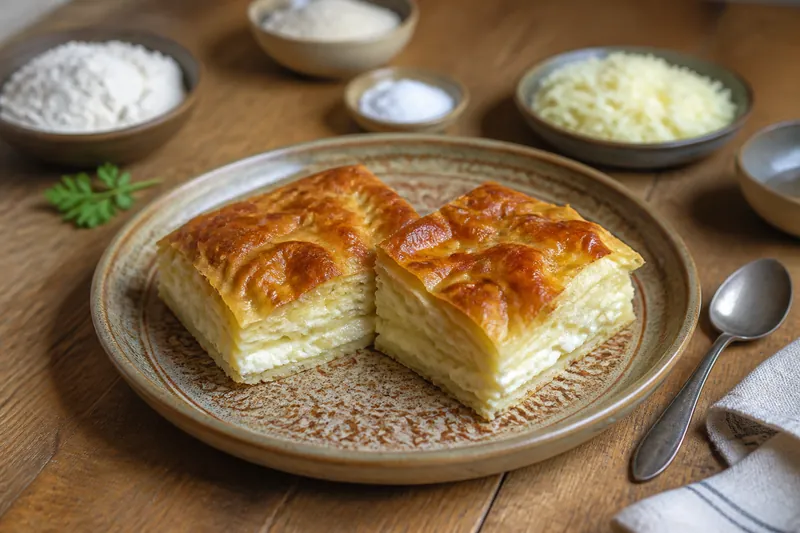 AchmaGeorgianOpen the recipe →
Achma is a Georgian baked dish of many layers of dough and cheese, more like a rich bread casserole than a simple loaf. The finished dish is soft, salty, and deeply dairy-rich, with tender sheets that hold together when cut. It is worth cooking because the layering gives something plain ingredients cannot do on their own: texture and depth. A cook should know that the dough is handled repeatedly, and that good drainage matters if the cheese is very wet. Give the layers enough space and heat so the middle cooks through without the top drying out.
Small cheese breads with a gentle crumb
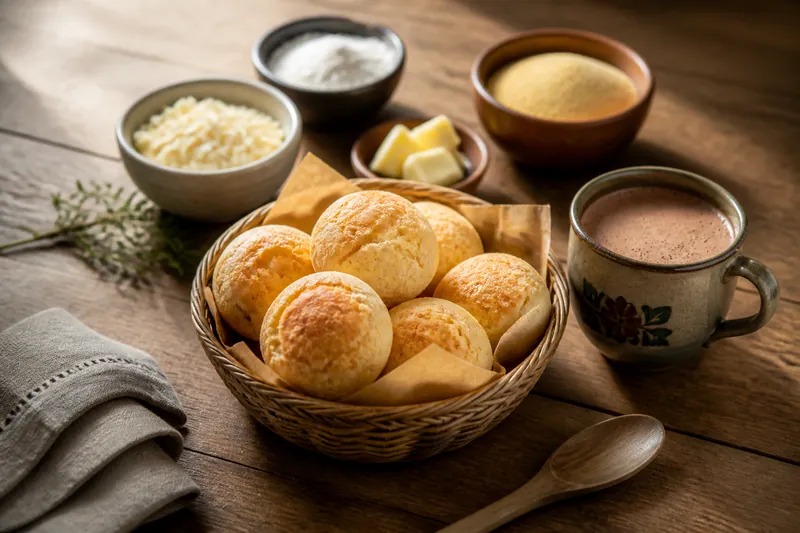 AlmojábanaColombianOpen the recipe →
Almojábanas are Colombian cheese breads made with cornflour and fresh cheese, baked into compact rounds that are soft, slightly springy, and faintly sweet-salty. They are the kind of bread you eat warm, with coffee or hot chocolate, when the cheese is still giving off steam. They are worth cooking because they have a clear flavor and a short path from bowl to oven. The important thing is the cheese: it should be fresh and moist enough to bind the dough, but not so wet that the rounds spread instead of lifting.
A torn bread dish built for butter and honey
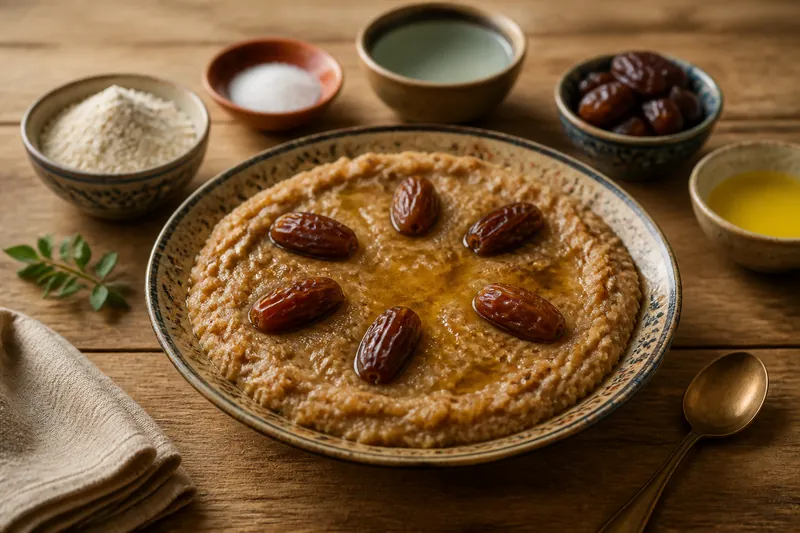 AreekahSaudiOpen the recipe →
Areekah is a Saudi bread dish made from cooked dough that is broken up and finished with butter, honey, and sometimes dates or cream. It tastes warm, wheaty, and comforting, with a smooth richness that comes from the fat mixed through the crumb. It is worth cooking because it turns a modest dough into something that feels complete and nourishing. A cook should know that the dough must be cooked through before it is broken up; if it is underdone, the texture will be sticky rather than soft and yielding.
Sweet corn cakes with a faint dairy note
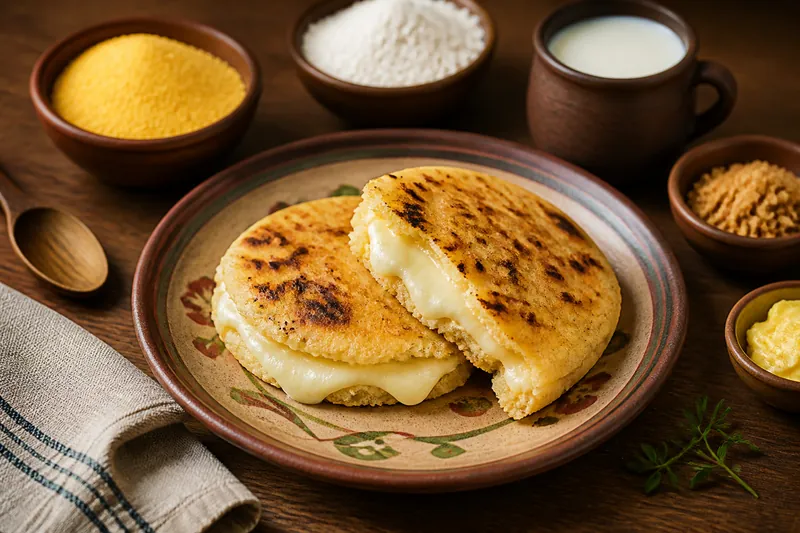 Arepa boyacenseColombianOpen the recipe →
Arepa boyacense is a Colombian arepa made with cornmeal, cheese, and often a little sugar, giving it a flavor that sits between bread and cake. It is dense but tender, with a browned exterior and a warm, milky center. It is worth cooking because it shows how simple grain and dairy can become satisfying without much embellishment. The main thing to know is that the dough should be shaped evenly and cooked over steady heat; if the pan is too hot, the outside will color before the middle firms.
Quick bread with a clean, plain taste
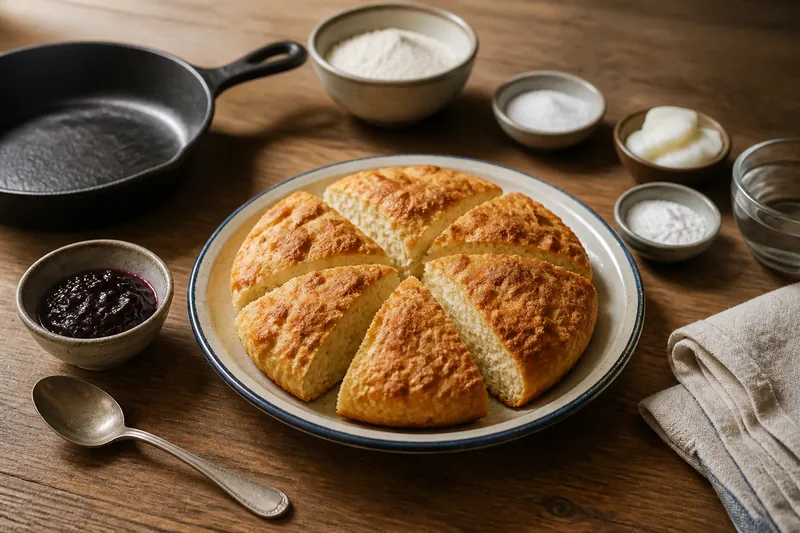 BannockCanadianOpen the recipe →
Bannock is a straightforward Canadian bread, usually pan-cooked or baked, with a plain flavor and a tender, sturdy crumb. It is the sort of bread that makes sense beside stew, jam, or smoked fish because it does not compete. It is worth cooking because it is immediate: little mixing, little waiting, and a useful result. What matters is not overworking the dough. Mix only until it comes together, or the texture will turn tough instead of short and breadlike.
A griddled island bread with garlic butter
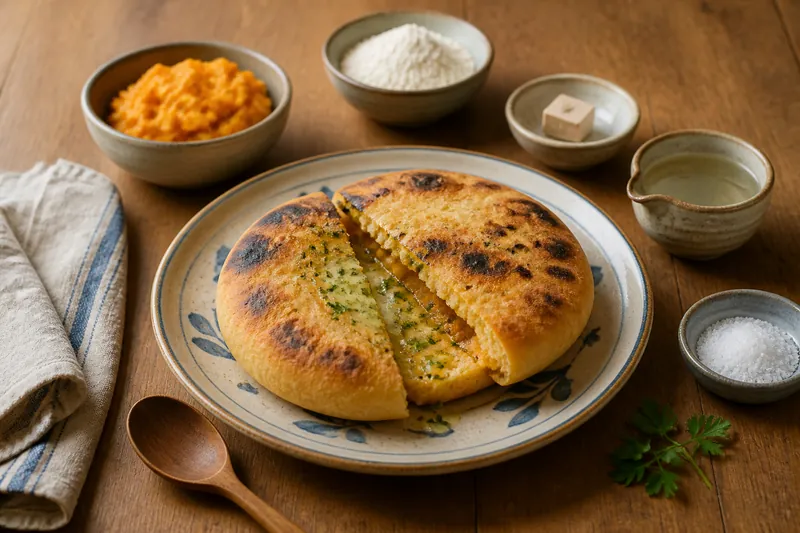 Bolo do cacoPortugueseOpen the recipe →
Bolo do caco is a Portuguese flat bread, especially associated with Madeira, cooked on a hot stone or griddle and often split open for garlic butter. It has a dark crust, a soft middle, and a mild wheat flavor that takes well to salt and fat. It is worth cooking because it is both bread and vehicle, equally good plain or stuffed. The one thing to know is that the cooking surface must be properly hot; without strong heat, you lose the blistered exterior that gives it character.
Dense corn bread with a rough, honest crumb
 Broa de MilhoPortugueseOpen the recipe →
Broa de Milho is a Portuguese corn bread with a hearty, coarse texture and a flavor that leans earthy rather than sweet. It often comes out with a substantial crust and a crumb that feels rustic and full of character. It is worth cooking because it pairs especially well with soup, greens, and salted meat, and because its texture is distinctive without being difficult. A cook should know that cornmeal behaves differently from wheat flour; it needs enough moisture and resting time to soften before baking, or the bread can feel dry and gritty.
Folded bread with crisp edges and a supple center
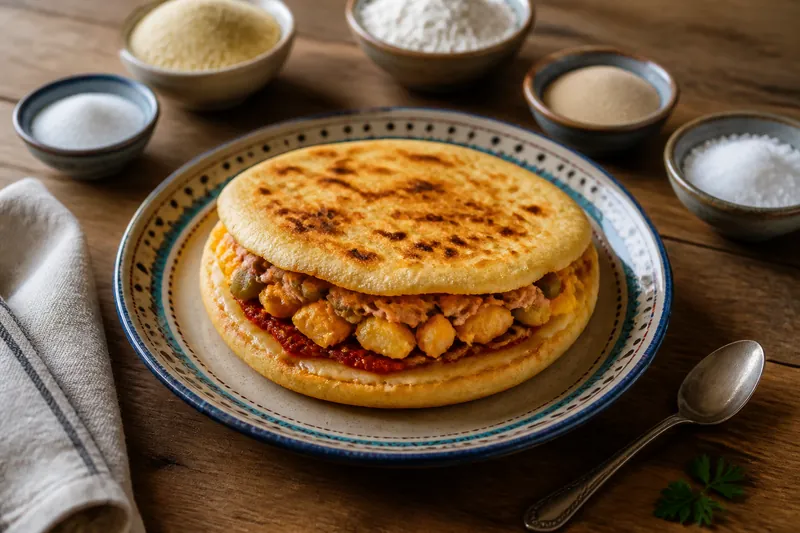 Chapati tunisienTunisianOpen the recipe →
Chapati tunisien is a Tunisian flatbread that is usually cooked on a pan and folded with fillings, often eggs, tuna, potatoes, or salad. Despite the name, it is not a thin Indian chapati; it is more of a stuffed street bread with a crisp shell and a soft, layered inside. It is worth cooking because it is satisfying and adaptable, with a useful balance of bread and filling in one package. The main thing to know is that the dough must rest long enough to relax, or it will resist rolling and tearing when filled.
These breads are worth the time because they do more than fill a basket. Some are plain, some rich, some meant for tearing and some for folding, but all of them turn simple dough into food with a place at the table.