10 boiled dishes worth cooking for weeknight meals
These ten boiled dishes cover soups, grains, beans, pasta, and rice, with clear flavors and steady results from different kitchens.
Boiling does more than soften food. It builds broth, cooks grains evenly, and turns beans and pasta into finished meals with little fuss.
These dishes all rely on a pot of boiling water or liquid at some stage, and each one shows a different use for the same basic method.
Rice, lentils, and onions done the old way
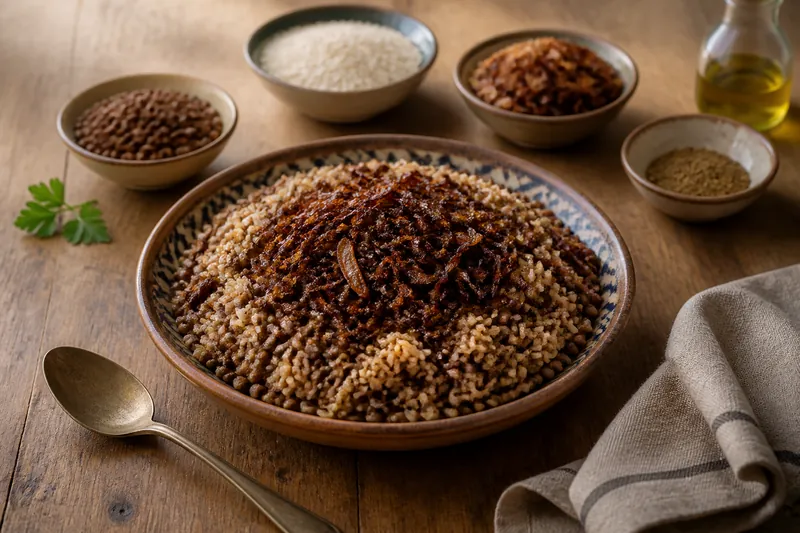
Classic Mujadara with Caramelized OnionsMiddle EasternOpen the recipe →Mujadara is a sturdy, economical dish of lentils and rice, finished with a large amount of slowly cooked onions. It tastes earthy, savory, and deeply sweet from the onions, with cumin and black pepper usually in the background. It is worth cooking because it eats like a full meal and improves as it sits. The main thing to know is that the onions need real patience; if they are rushed, the dish loses its defining flavor. Keep the lentils just tender before adding the rice.
A plain broth that still feels complete
 Homestyle Chicken Noodle SoupSoupOpen the recipe →
This is the kind of chicken noodle soup that leans on broth, tender chicken, and soft noodles rather than extras. It tastes clean, lightly savory, and soothing, with enough body from the noodles and vegetables to make a bowl feel finished. It is worth making because it is fast, familiar, and useful when you want something warm without much work. One thing to know is that noodles keep cooking after they go into the soup, so add them near the end if you want them to stay firm.
A layered bowl of grains, pasta, and lentils
 KosharyEgyptianOpen the recipe →
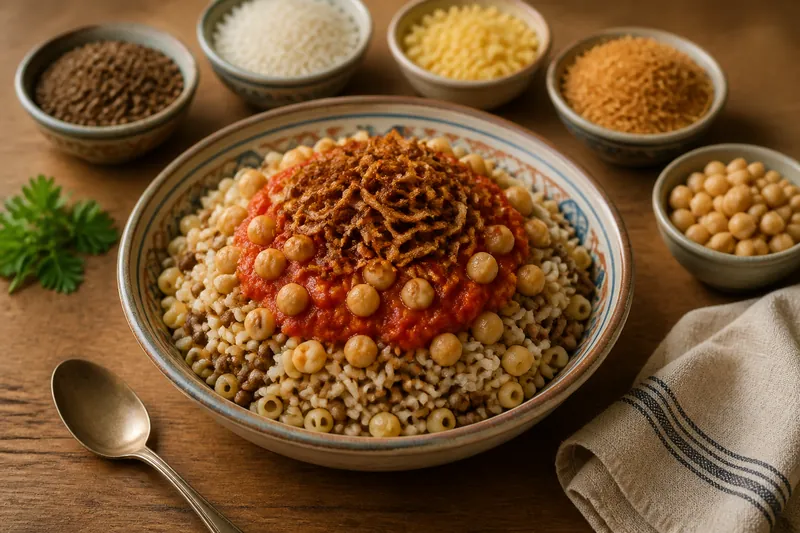
Koshary brings together rice, lentils, pasta, chickpeas, tomato sauce, and crisp onions in one bowl. The flavor moves from tangy tomato to garlicky vinegar, with the lentils and pasta giving it weight. It is worth cooking because it is filling, inexpensive, and more balanced than it first appears. The key thing to know is that each part is cooked separately, then assembled, so the timing matters. Keep the components distinct; koshary works because the textures stay clear.
Rice cooked in a wide pan with seafood
 Spanish Seafood PaellaSeafoodOpen the recipe →
Spanish seafood paella is built on rice cooked in seasoned stock until it turns fragrant and concentrated. Shellfish, fish, or both add briny depth, while saffron or paprika gives the dish its familiar color and aroma. It is worth cooking because the rice absorbs everything in the pan and becomes the center of the meal. One thing a cook should know is not to stir once the rice starts cooking, or the texture changes. Let the liquid reduce and the bottom settle into its slight crust.
A salad that eats like supper
 Warm Lentil Salad with Tomato VinaigretteContinentalOpen the recipe →
Warm lentil salad with tomato vinaigrette is simple food with good contrast: tender lentils, sharp dressing, and enough warmth to keep it from feeling like a side dish. It tastes bright and savory, with the tomato vinaigrette lifting the earthiness of the lentils. It is worth cooking because it comes together quickly and works on its own or beside roasted vegetables. The thing to know is that the lentils should hold their shape, so cook them until just tender and stop there.
Slow-stirred rice with mushroom depth
 Creamy Wild Mushroom RisottoVeganOpen the recipe →
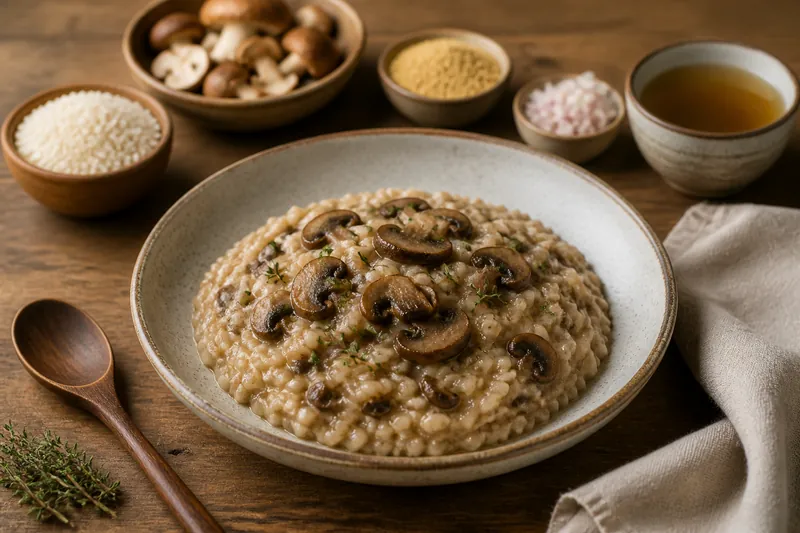
Creamy wild mushroom risotto gets its texture from gradual addition of hot liquid and steady stirring, not from cream. The mushrooms bring an earthy, woodsy flavor that makes the rice taste fuller than its ingredients suggest. It is worth cooking because the final dish is rich without being heavy. The main thing to know is that the liquid should stay hot and be added in small amounts; that is what coaxes the rice into a creamy state. Do not walk away for long stretches.
Fava beans with olive oil and lemon
 Ful MedamesEgyptianOpen the recipe →
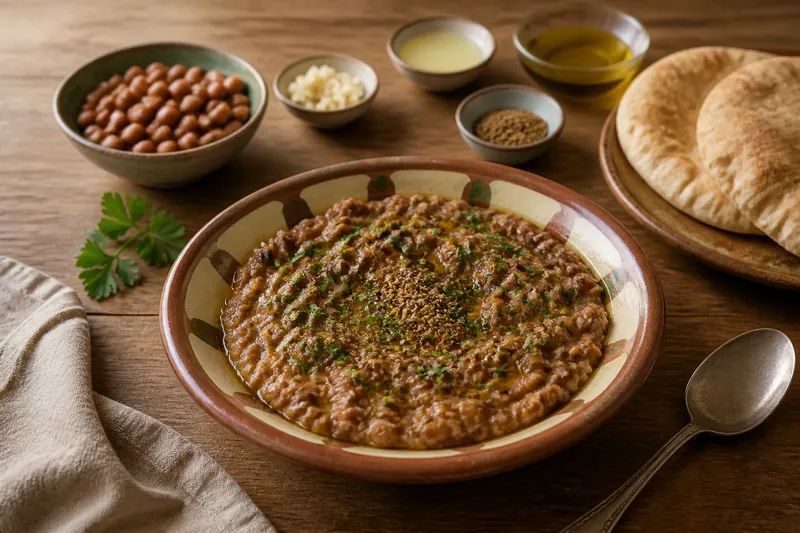
Ful medames is a simple dish of cooked fava beans, usually finished with olive oil, lemon, garlic, and cumin. It tastes soft, nutty, and gently sharp, with enough richness from the oil to make it satisfying. It is worth cooking because it is fast, filling, and open to small changes in seasoning. One thing to know is that the beans should be heated through without turning to paste unless you want that texture. Mash some, leave some whole, and season with care.
Broth, noodles, and heat in one bowl
 Spicy Miso RamenJapaneseOpen the recipe →
Spicy miso ramen pairs a seasoned broth with noodles and toppings, and the miso gives it a deep, fermented savor. The heat can come from chili paste or oil, which sharpens the broth without hiding the miso. It is worth cooking because it delivers a lot of flavor from a few elements once the stock is right. One thing to know is that miso should be added off the boil or near the end, so its flavor stays rounded. Cook the noodles separately if you want better control.
The quickest broth on the list
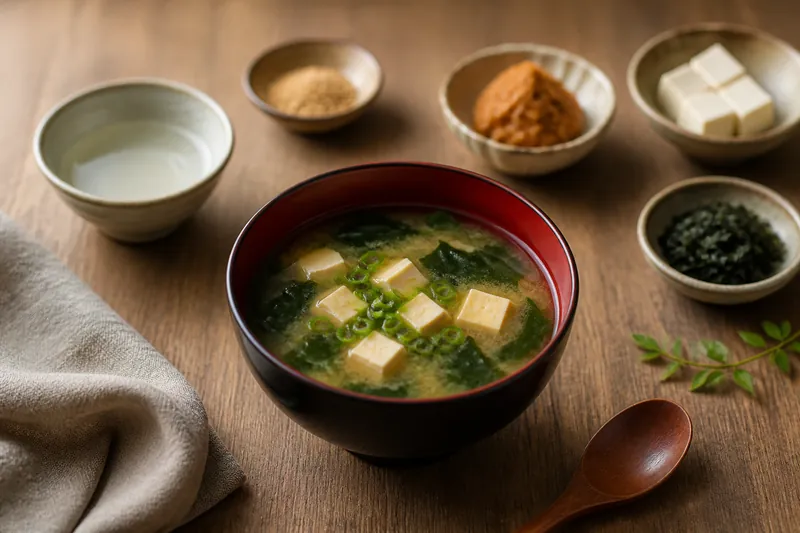 Traditional Miso SoupSoupOpen the recipe →
Traditional miso soup is light, salty, and quiet, usually built on dashi with miso paste, tofu, and seaweed. It tastes clean and mineral, with a soft umami depth rather than a heavy body. It is worth cooking because it is fast, useful at any time of day, and teaches restraint. The main thing to know is never to boil the miso after it is added. Keep the soup just below a boil so the flavor stays gentle and the paste blends evenly.
Pasta finished with egg and cheese
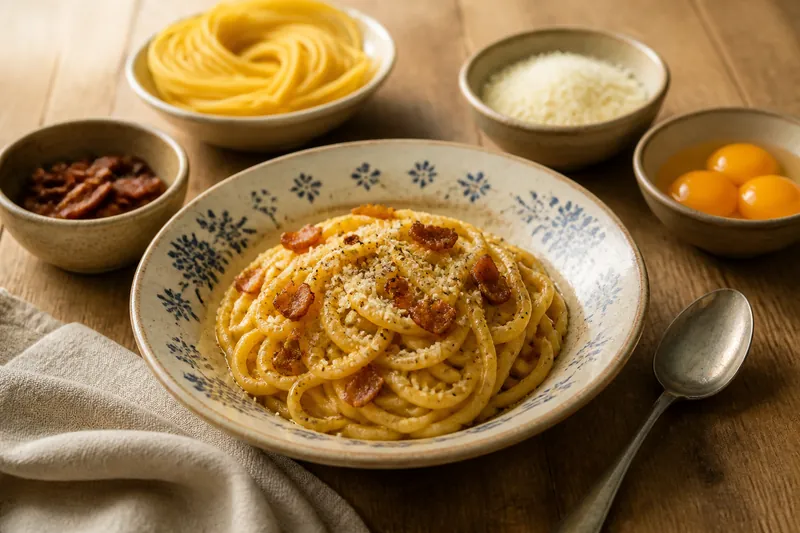 Authentic Spaghetti CarbonaraItalianOpen the recipe →
Authentic spaghetti carbonara relies on hot pasta, egg, cheese, cured pork, and pepper to make a sauce without cream. It tastes rich, salty, and sharply peppery, with a silkiness that comes from careful mixing rather than extra ingredients. It is worth cooking because it is fast and direct, and the result is elegant when handled properly. One thing to know is that the pan should be off the heat when the egg mixture goes in, or the sauce can scramble. Use enough pasta water to loosen it.
These dishes show how far boiling can take you, from a clear soup to a full pan of rice or a bowl of beans and grains. The method is basic, but the results depend on timing, seasoning, and when to stop cooking.