10 Argentinian Dishes to Know from Asado to Chocotorta
From grill smoke to pastry cream, these ten dishes show the range of Argentinian cooking and the ingredients that shape it.
Argentinian cooking is often identified with beef and the grill, but that is only part of the story. It also includes pastry, maize, cheese, stews, stuffed pasta, and cakes made for a family table.
These dishes are among the best known because they are familiar, practical, and deeply tied to everyday eating. Some are slow and ceremonial, others are quick and plain, but each says something useful about how people cook and eat in Argentina.
The country's central grill meal
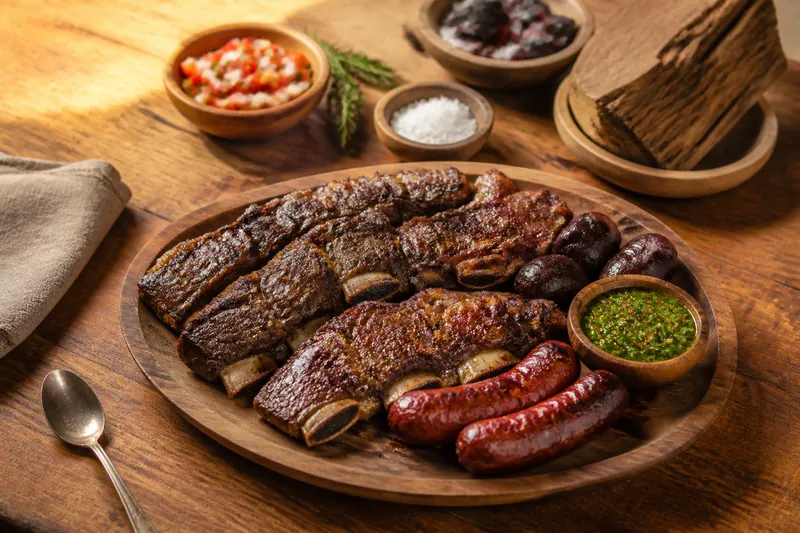
Asado ArgentinoArgentinianOpen the recipe →Asado Argentino is the meal most people picture first when they think of Argentina: beef, fire, smoke, and time. Cuts are cooked slowly over wood or charcoal so the outside browns while the interior stays juicy. The flavor is simple and direct, with salt and smoke doing most of the work. It is worth cooking because it shows how restraint can make meat taste fuller. The one thing to know is that heat control matters more than speed; a good asado is patient and steady, not hot and hurried.
Hand pies with a savory filling
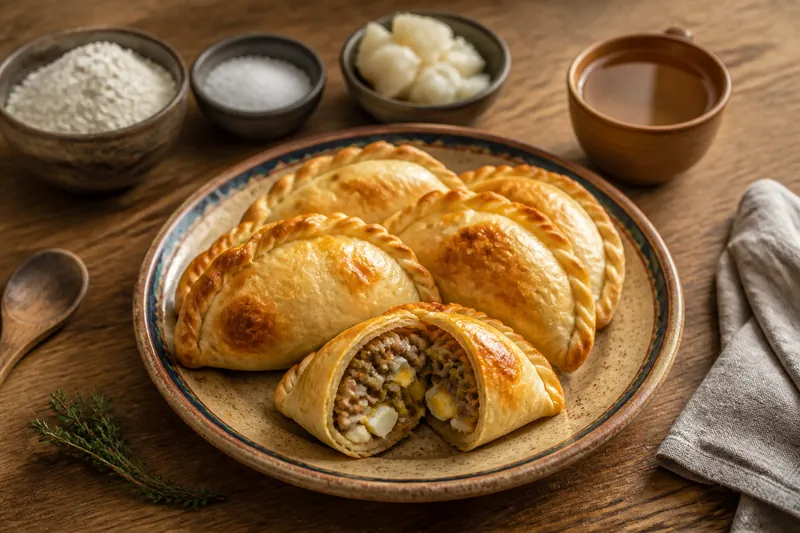 Empanadas Argentinas de CarneArgentinianOpen the recipe →
Empanadas Argentinas de Carne are baked or fried pastries filled with seasoned beef, onion, and often egg, olive, or spice. The dough is tender, the filling rich and slightly sweet from the onion, and the whole thing is meant to be eaten out of hand. They are worth making because they travel well and freeze well, and because a batch gives you a complete meal in small form. What matters most is keeping the filling moist but not wet, so the pastry stays crisp and does not leak.
A sausage sandwich built for the grill
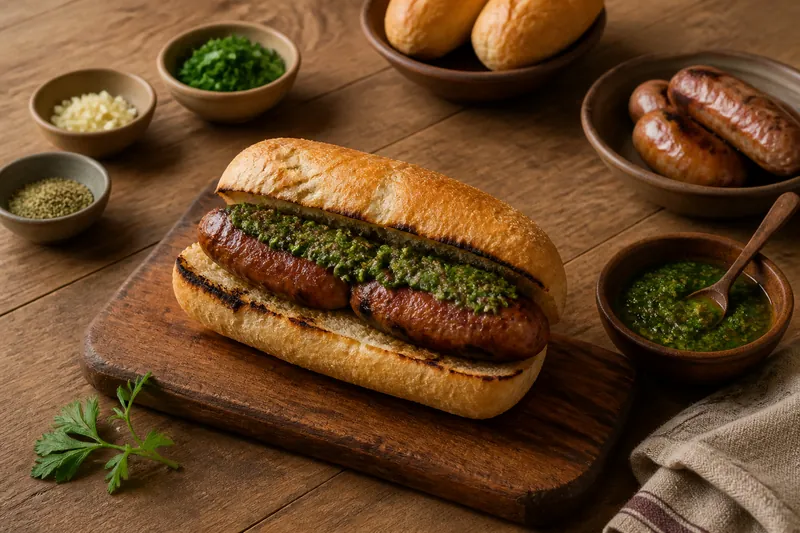 ChoripánArgentinianOpen the recipe →
Choripán is a chorizo sandwich, usually served on crusty bread with a sharp sauce such as chimichurri or salsa criolla. The sausage brings fat and smoke, while the bread gives structure and soaks up juices. It tastes bold, salty, and a little tangy when the sauce is right. It is worth cooking because it is one of the clearest examples of Argentinian street and grill food at once. The key point is to cook the chorizo through without splitting the casing, then serve it while it is still hot.
A hearty stew with sweet notes
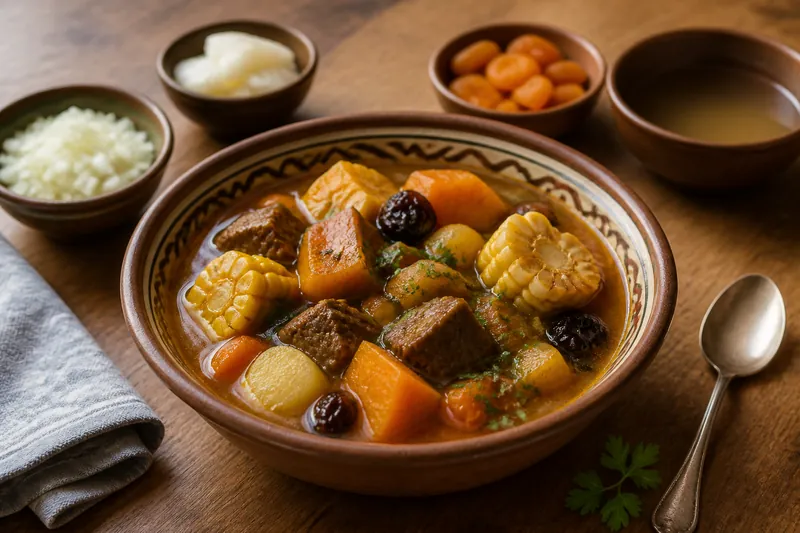 Carbonada criollaArgentinianOpen the recipe →
Carbonada criolla is a thick stew of beef, vegetables, and sometimes fruit, often with squash, potato, corn, and dried fruit in the pot. The taste is savory and full, but not flat; the fruit or sweet vegetable gives it a rounded finish. It is worth cooking because it stretches ingredients into something complete and comforting. A cook should know that the stew needs time for the meat to soften and the flavors to settle, and that the balance of sweet and savory should stay gentle, not dessert-like.
Simple chickpea flatbread
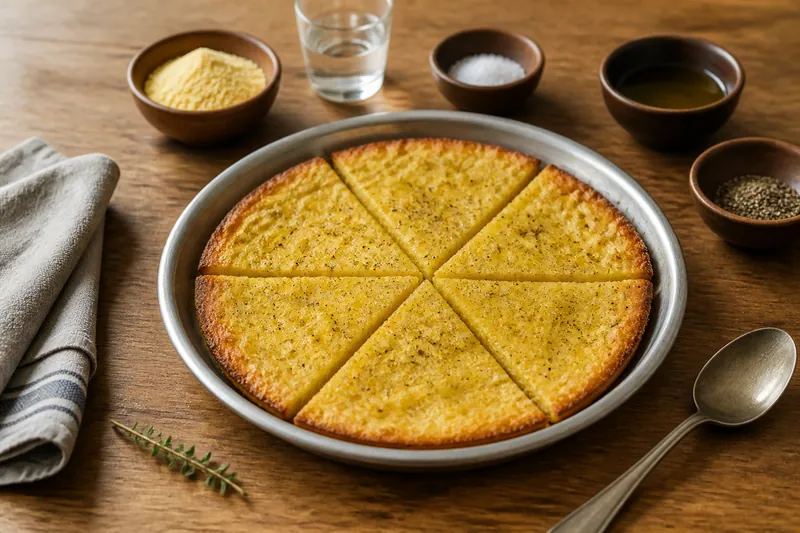 FaináArgentinianOpen the recipe →
Fainá is a thin flatbread made from chickpea flour, water, oil, and salt. It bakes into a firm, golden sheet with a nutty flavor and a slightly creamy interior. In Argentina it is often eaten on its own or alongside pizza. It is worth making because it uses a short ingredient list and delivers a distinct texture that is neither bread nor pancake. One thing to know is that the batter needs resting time so the flour hydrates fully; without that, the finished bread can taste raw and feel gritty.
Cheese breads with a chewy crumb
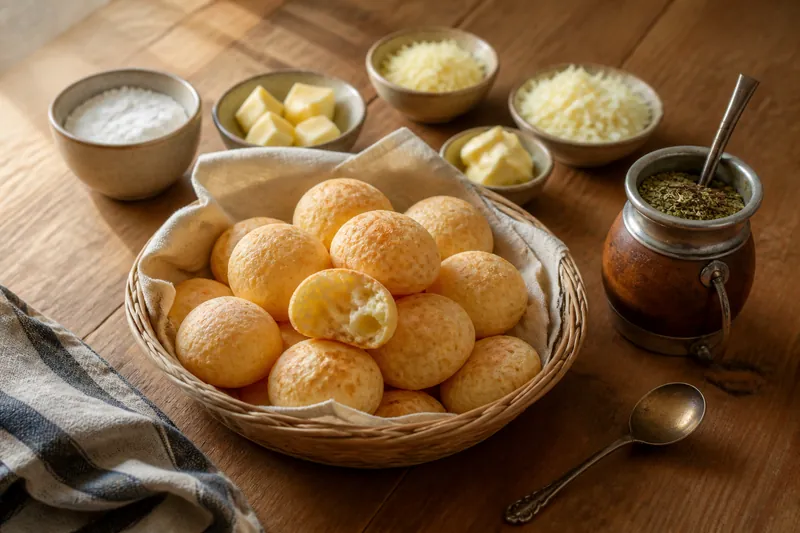 ChipáArgentinianOpen the recipe →
Chipá are small baked breads made with cassava starch and cheese, giving them a dense chew and a strong dairy flavor. They are crisp at the edges and stretchy inside, often served warm. Their appeal lies in the contrast between a light crust and a moist, elastic center. They are worth cooking because they are quick and satisfying, especially for breakfast or a snack. The main thing to watch is the dough: it should be shaped while still manageable, since cassava starch dough can go from soft to dry fairly quickly.
Vegetable-filled pasta for the table
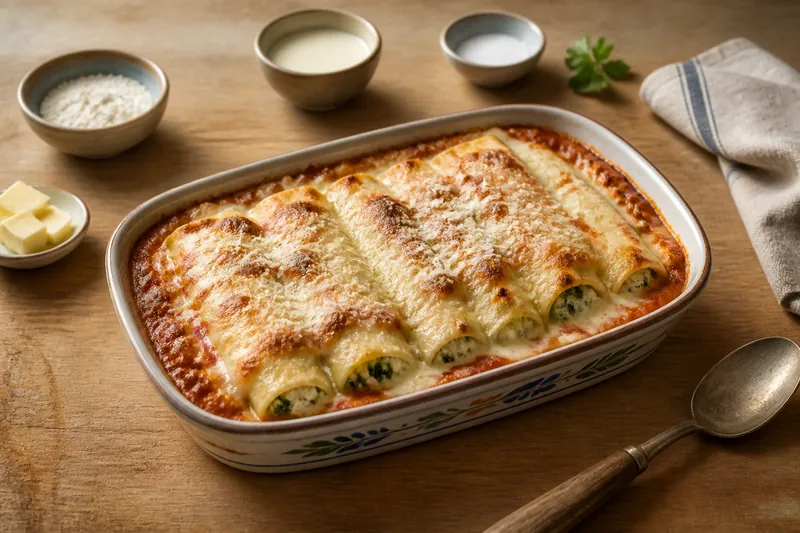 Canelones de verduraArgentinianOpen the recipe →
Canelones de verdura are rolled pasta tubes filled with cooked greens or mixed vegetables, then baked with sauce. The taste is mild, creamy, and savory, with enough richness from cheese or béchamel to make the vegetables feel substantial. They are worth cooking because they turn simple produce into a proper meal and can be assembled ahead. A cook should know that the filling must be well drained before rolling, otherwise the pasta can turn loose and watery in the oven.
Cornstarch sandwich cookies
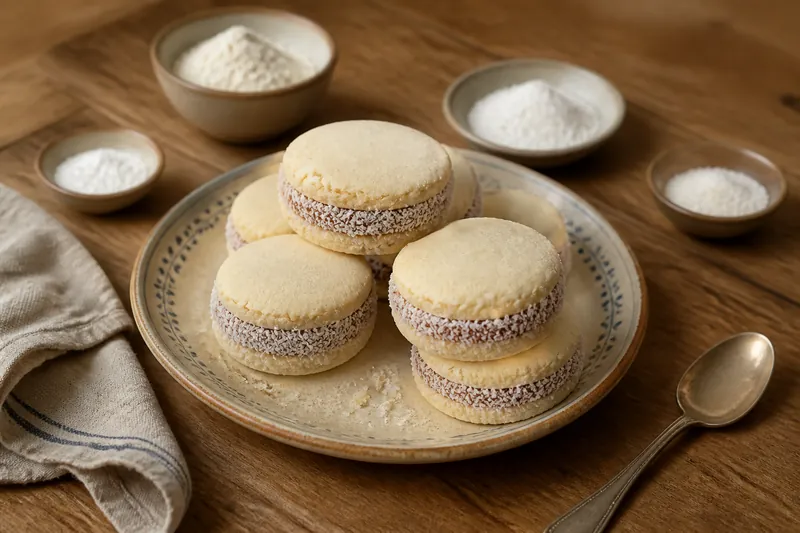 Alfajores de MaicenaArgentinianOpen the recipe →
Alfajores de Maicena are tender sandwich cookies made with cornstarch dough and filled with dulce de leche, then rolled in coconut. They are soft, crumbly, and sweet, with a delicate texture that melts rather than bites. They are worth making because they show how a plain cookie can become something distinctive through texture alone. One thing to know is that the dough is fragile and should be handled gently; if overworked, the cookies can lose their lightness and become dense.
No-bake cake of cookies and cream
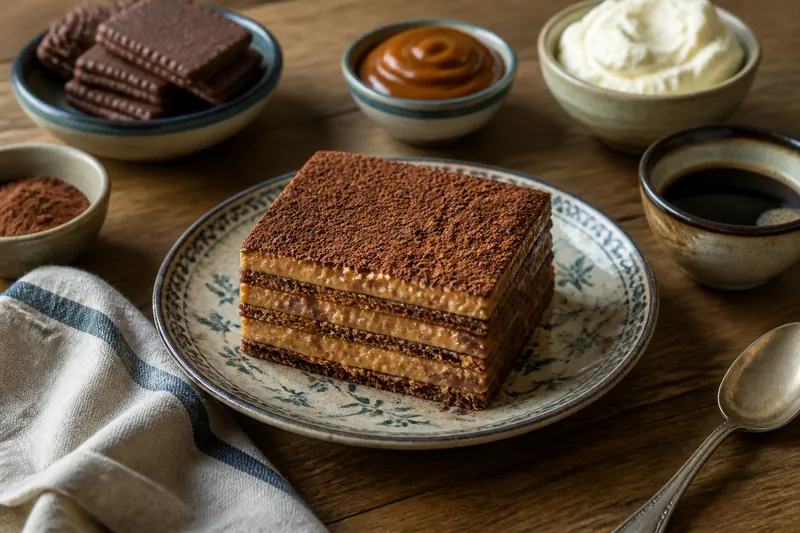 ChocotortaArgentinianOpen the recipe →
Chocotorta layers chocolate cookies with a mixture of dulce de leche and cream cheese or a similar filling, then chills until the cookies soften into cake. The result is rich, cool, and deeply sweet, with a texture somewhere between torte and pudding. It is worth making because it needs no oven and improves as it rests. The important thing is patience: the dessert must chill long enough for the layers to settle, or the cookies will stay firm instead of becoming sliceable.
Patagonian lamb cooked over fire
 Cordero patagónico al asadorArgentinianOpen the recipe →
Cordero patagónico al asador is whole or large-section lamb cooked slowly on a frame beside an open fire. The meat develops a crisp, browned exterior and a deep, clean flavor that comes from the lamb itself and the smoke around it. It is worth cooking because it captures a specific regional style of fire cooking, not just a recipe. A cook should know that this method depends on even exposure to heat over a long time, so the fire must be managed carefully and checked throughout.
Taken together, these dishes show how Argentinian cooking moves between grill and oven, street food and family table, sweet and savory. The range is wider than beef alone, but beef remains the thread that ties many meals together. Start with one dish, then another, and the picture becomes clear.