Ten Appetizers Worth Cooking From Around the World
From raw fish and chilled seafood to fritters and filled snacks, these appetizers show how much good cooking can fit into a first course.
Appetizers are often the sharpest expression of a cuisine. They rely on balance, not length of cooking, so the seasoning has to be exact and the texture right.
These dishes travel widely in spirit: some are served cold, some fried, some raw, and some built around beans, shellfish, or rice. All of them are worth making at home.
Fresh avocado, salt, and heat
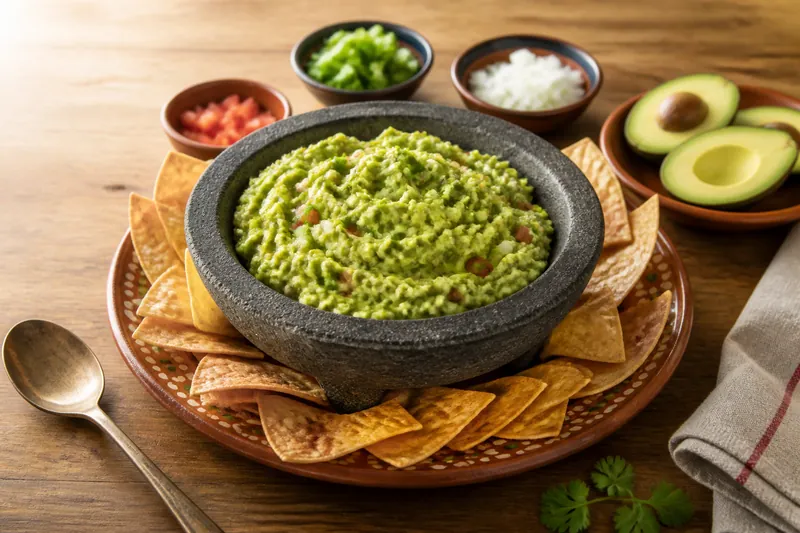
Authentic Guacamole with TotoposMexicanOpen the recipe →This is the simplest kind of guacamole, made for serving with crisp totopos. It should taste clean and bright, with the avocado still present, not buried under spice or additions. The cook gets richness from the fruit, acidity from lime, and a little heat from chile. What makes it worth cooking is the contrast between the soft mash and the crackle of the chips. Know that avocados vary a lot; taste as you season, and stop before it turns heavy or dull.
A small piece of precision
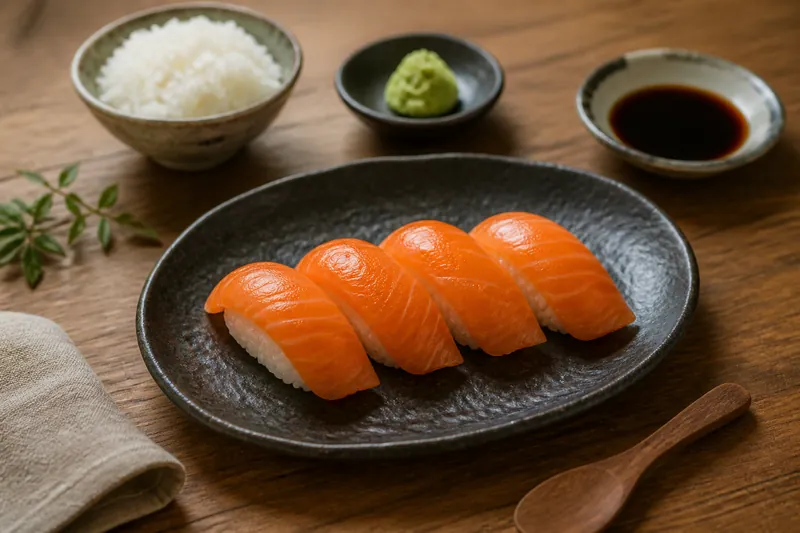 Salmon NigiriSushiOpen the recipe →
Salmon nigiri is plain at first glance, but it depends on exact rice and careful slicing. The fish should be cool, supple, and lightly seasoned only by the rice beneath it. Its appeal is the balance of soft grain, clean fat, and a little wasabi heat. It is worth cooking because it teaches restraint: there is nowhere to hide. One thing to know is that the rice matters as much as the fish; season it properly and handle it gently so it stays warm and distinct.
Seafood cured in citrus
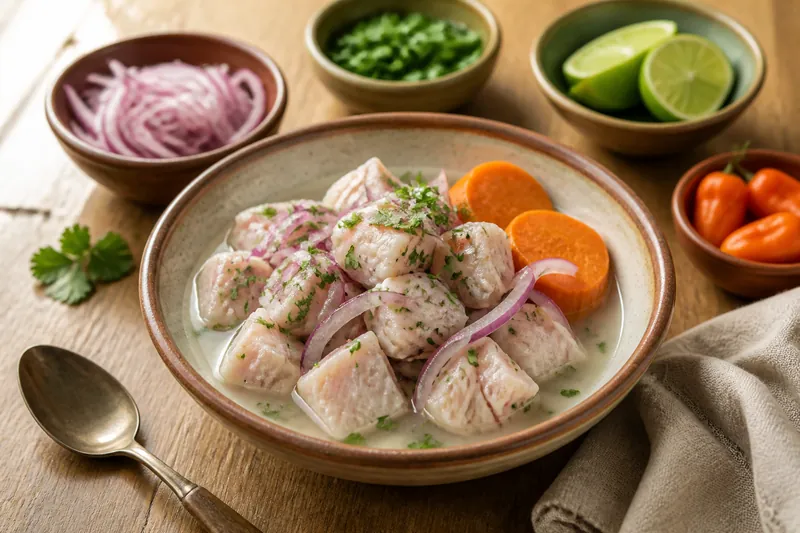 Classic Peruvian CevicheSeafoodOpen the recipe →
Classic Peruvian ceviche is all about acid, salt, and freshness. The fish firms in lime juice and takes on a sharp, bracing flavor, usually rounded by onion, chile, and herbs. It tastes bright, lean, and cold, with enough texture to feel substantial. It is worth cooking because it delivers a complete dish with very little time at the stove, or none at all. The main thing to know is to use the freshest seafood you can find and serve it right away, before the citrus overtakes it.
Light batter, clean fry
 Crispy Shrimp TempuraJapaneseOpen the recipe →
Crispy shrimp tempura should be delicate, not greasy. The shell is pale and crisp, letting the sweetness of the shrimp stay in front. Good tempura tastes airy, with just enough salt and a clean fried aroma. It is worth cooking because the method turns a few simple ingredients into something elegant and exact. The thing to know is that batter and oil temperature decide everything. Keep the batter cold, mix it minimally, and fry in batches so the coating stays light rather than thick.
Bean fritters with deep flavor
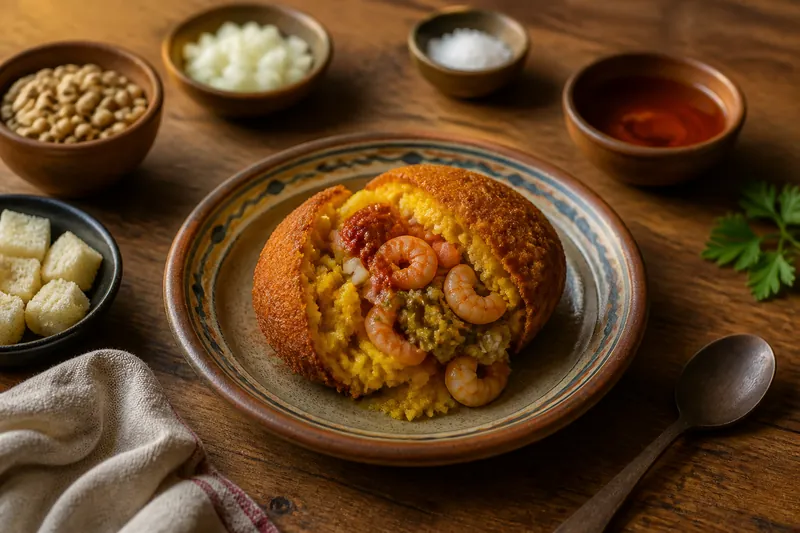 AcarajéBrazilianOpen the recipe →
Acarajé is a rich black-eyed pea fritter, crisp outside and tender within, with a flavor that is earthy and savory. Its filling and condiments often give it heat, sharpness, and a little sweetness, so the whole dish feels layered rather than plain fried. It is worth cooking because it has real depth and a strong sense of place. One thing to know is that it asks for planning: the beans need soaking, the paste needs attention, and the fritters fry best when shaped and cooked without rushing.
Folded pastries with spice
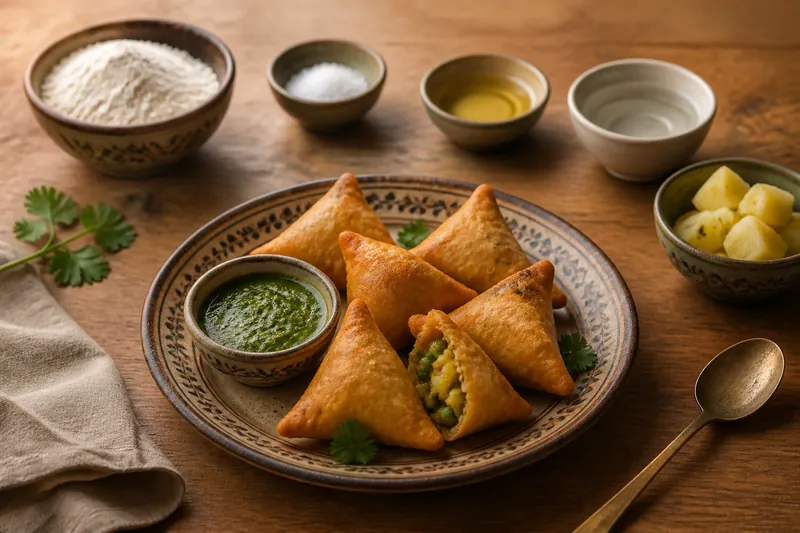 Afghan SambosaAfghanOpen the recipe →
Afghan sambosa are crisp, folded pastries, usually filled with spiced meat or vegetables. They taste warm and fragrant, with a dry, savory filling wrapped in a shell that breaks neatly when bitten. What makes them worth cooking is the contrast between the thin crust and the seasoned interior, along with their usefulness as a make-ahead appetizer. One thing to know is that the filling should not be wet; if it is, the pastry can split or steam itself soft instead of frying crisp.
Cold shrimp with green heat
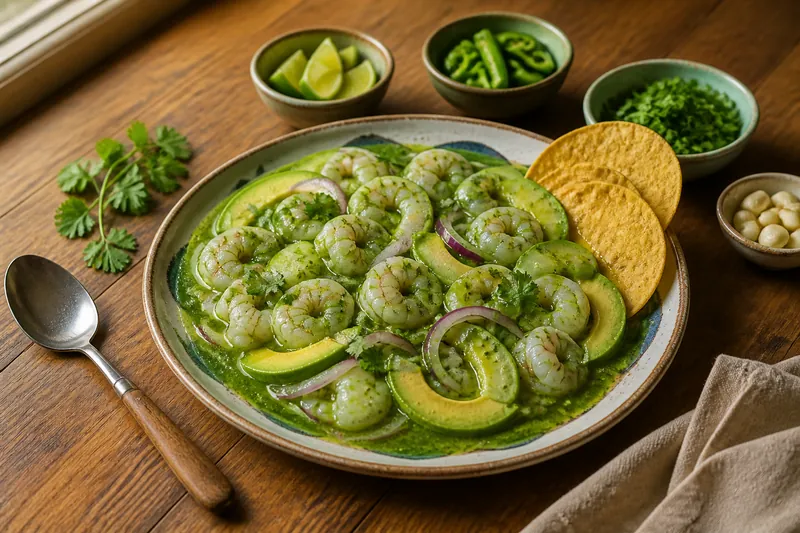 Aguachile VerdeMexicanOpen the recipe →
Aguachile verde is sharp, green, and fast. Raw shrimp are dressed in lime, chile, cucumber, and herbs, giving a clean chill and a direct hit of acidity. It tastes fresher and fiercer than ceviche, with the herbal sauce carrying as much weight as the seafood. It is worth cooking because it is vivid and immediate, especially when the ingredients are good. Know that timing matters here: the shrimp should be just firm enough, so assemble and serve with no delay once the lime goes on.
Peppery bean fritters
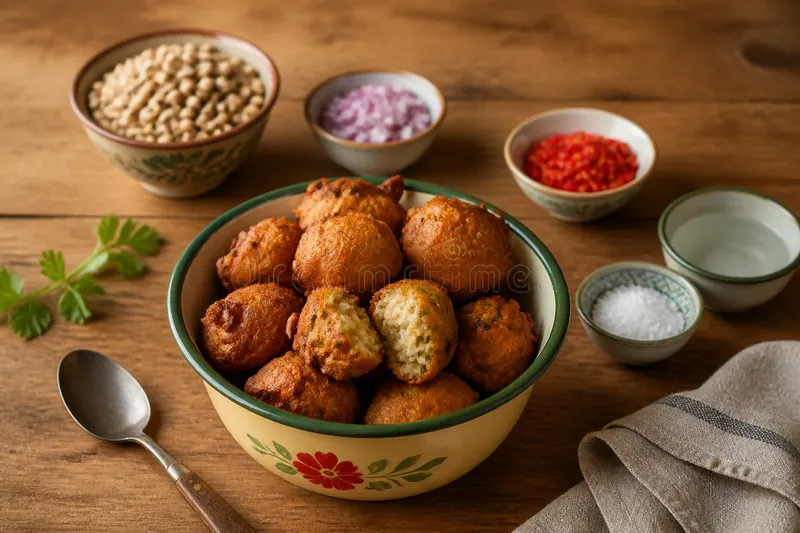 AkaraNigerianOpen the recipe →
Akara are bean fritters with a crisp skin and a soft, airy center. They taste savory, peppery, and substantial, with the flavor of the beans coming through clearly rather than being masked by seasoning. They are worth cooking because they are simple in idea but satisfying in texture, and they work well for breakfast or as a snack. One thing to know is that the bean batter needs enough air to stay light. Whip it well before frying so the fritters puff instead of settling into something dense.
Clams in garlic and wine
 Amêijoas à Bulhão PatoPortugueseOpen the recipe →
Amêijoas à Bulhão Pato is a classic of clams cooked quickly with garlic, olive oil, white wine, and herbs. The broth is the point: briny, fragrant, and good for bread dipping. The clams taste sweet and sea-like, with enough garlic and coriander or parsley to lift them without crowding them. It is worth cooking because it shows how little a shellfish dish needs when the ingredients are right. One thing to know is to clean the clams carefully and discard any that stay open before cooking.
A bold, old-school grill
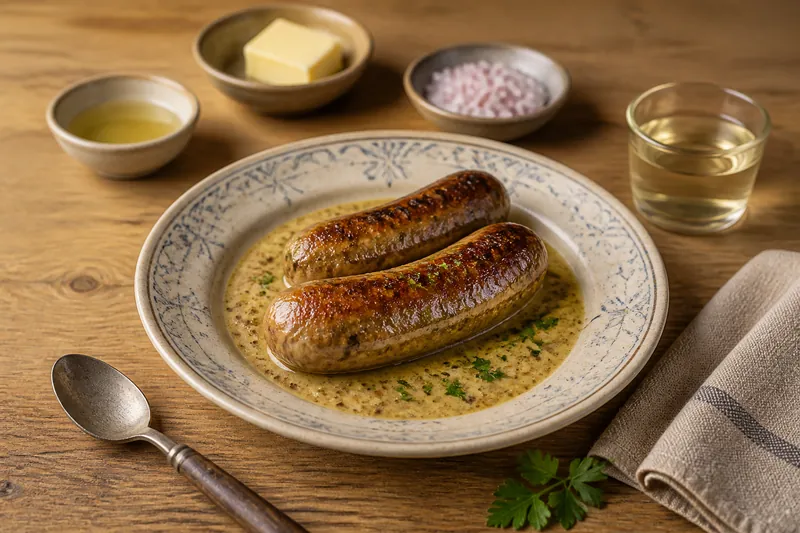 Andouillette grilléeFrenchOpen the recipe →
Andouillette grillée is not a shy dish. It has a coarse texture and a strong, distinctive flavor that comes through clearly when grilled well. Served hot, it is browned outside and juicy within, with mustard often providing the right sharp contrast. It is worth cooking for diners who want a direct, traditional French appetizer with real character. One thing to know is that the smell and flavor are assertive, so cook it carefully over moderate heat to brown the casing without splitting it or drying the filling.
These appetizers range from delicate to forceful, but they all depend on the same discipline: freshness, timing, and a clean hand with seasoning. Cook them when you want the first course to do more than begin the meal.