Nepali
Yomari
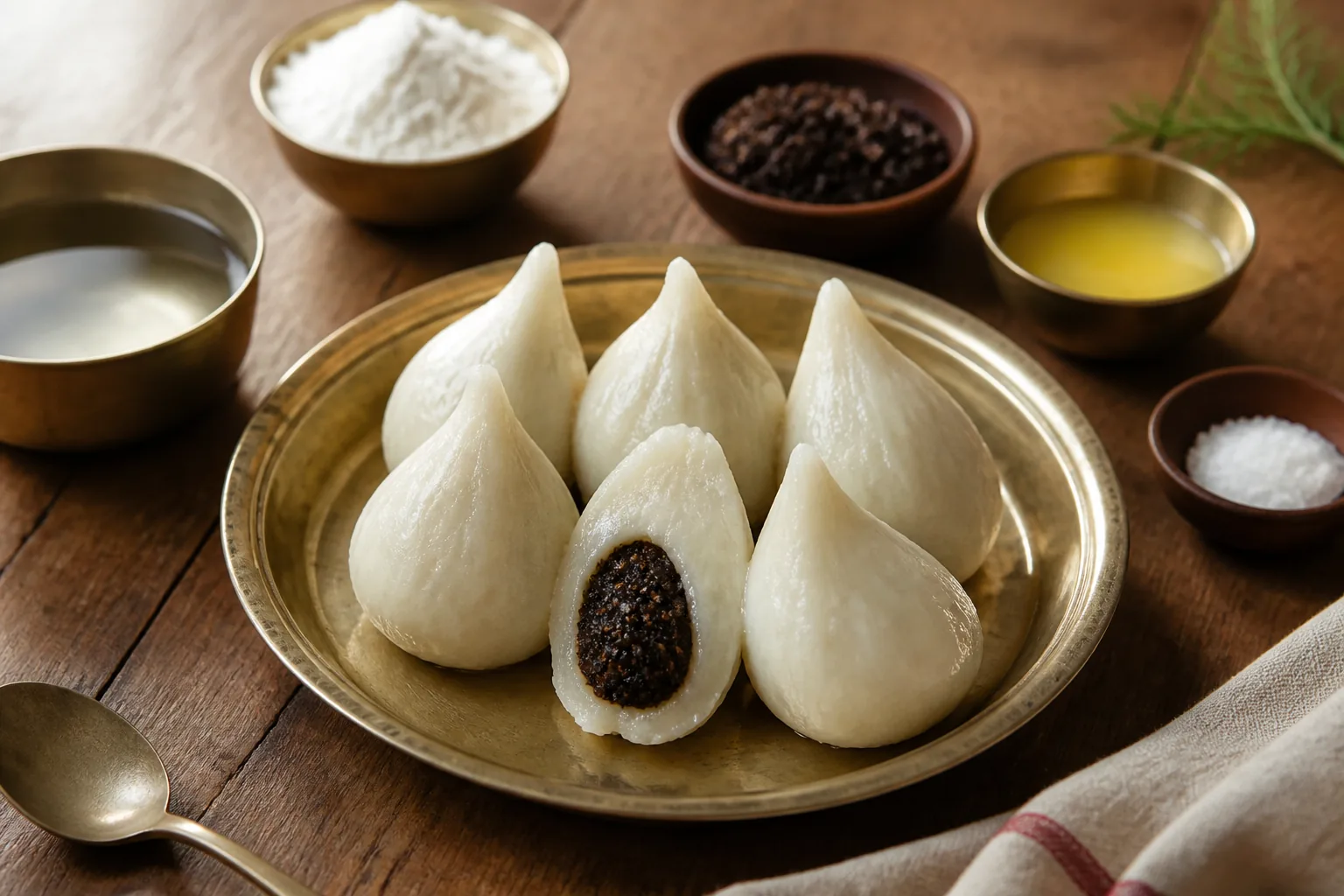
Yomari are warm steamed rice-flour dumplings from the Newar community of Nepal, shaped with a pointed tip and filled with sweet chaku, sesame, coconut, and cardamom. They are especially loved during Yomari Punhi and are best eaten fresh from the steamer.
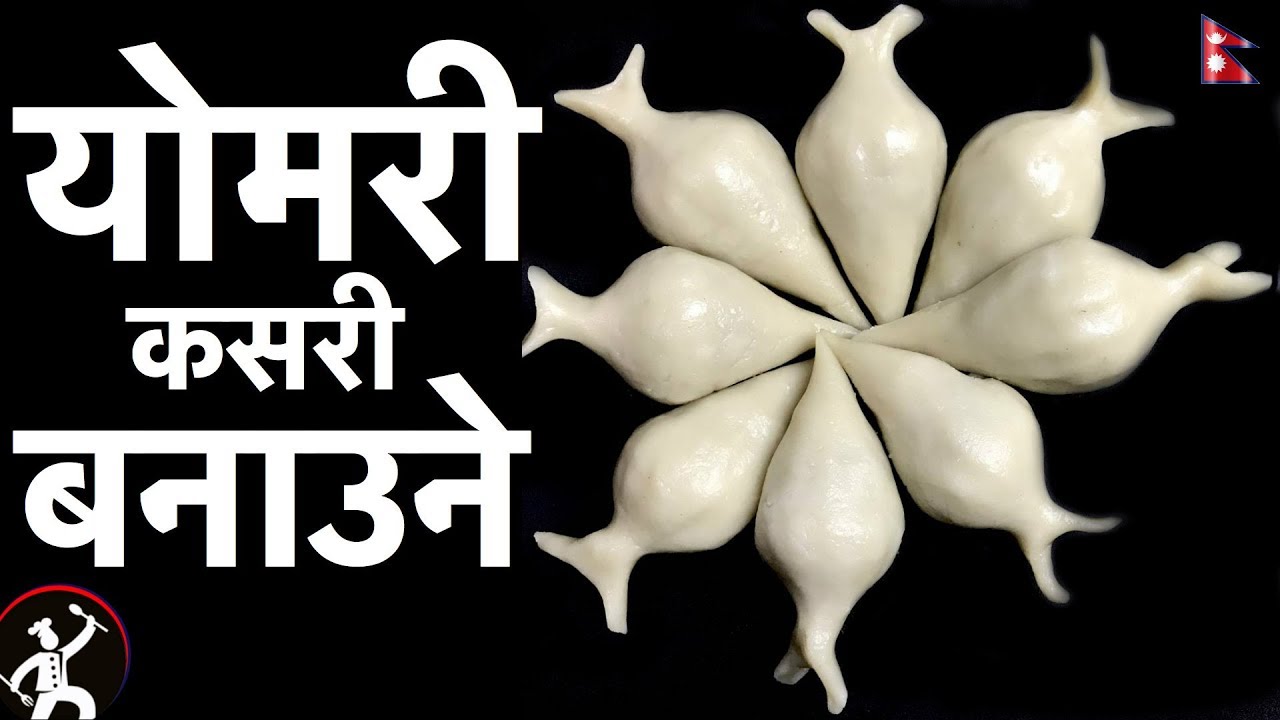 Watch it madeYummy Food World · 11:01
Ingredients
- Fine rice flour1 cup
- Boiling water1/2 cup, plus 2 tbsp as needed
- Ghee2 tsp, divided
- Salt1 pinch
- Chaku or dark jaggery, chopped1/2 cup
- Roasted sesame seeds, ground coarsely2 tbsp
- Fresh grated coconut or desiccated coconut2 tbsp
- Cardamom powder1/4 tsp
- Water for melting filling1 tbsp
Method
- Place the chaku or jaggery in a small pan with 1 tablespoon water and 1 teaspoon ghee, then warm over low heat until melted and thick.
- Stir in the roasted sesame seeds, coconut, and cardamom, then cook for 1 minute until the filling is glossy and spoonable; set aside to cool slightly.
- Put the rice flour and salt in a bowl, add 1 teaspoon ghee, then pour in the boiling water little by little while mixing with a spoon.
- When cool enough to handle, knead the mixture into a smooth, soft, non-cracking dough, adding a spoonful of hot water if it feels dry.
- Cover the dough with a damp cloth and rest it for 10 minutes while preparing the steamer.
- Divide the dough into 4 equal balls and keep them covered so they do not dry out.
- Grease your fingers lightly, take one dough ball, and shape it into a small hollow cone or pouch with a thin wall and a pointed end.
- Spoon a little chaku filling into the hollow, leaving room at the top, then pinch and seal the opening firmly to form the classic pointed yomari shape.
- Repeat with the remaining dough and filling, keeping each finished yomari covered.
- Place the yomari in a greased steamer basket, leaving space between them, and steam over actively boiling water for 12 to 15 minutes.
- Remove when the rice dough looks slightly glossy and set, then rest for 2 minutes before serving warm.
Common questions
Can I substitute jaggery or chaku with something else for Yomari filling?
Yes. Dark brown sugar or palm sugar can work, though the flavor will be less traditional. Melt it gently with a little water and ghee, then mix in sesame, coconut, and cardamom until thick and glossy.
How long does the dough need to rest before shaping Yomari?
Rest the dough about 10 minutes, covered with a damp cloth. That gives the flour time to hydrate and makes shaping easier. If it feels dry or cracks while shaping, knead in a few drops of hot water.
What are the most common mistakes when making Yomari?
Using too little water makes the dough crack; too much makes it sticky and hard to shape. Also, if the filling is too thin, it leaks. Keep dough covered, make thin walls, and seal the top firmly.
How should I store leftover Yomari and filling?
Uncooked dough is best used the same day, but you can refrigerate the filling for 2 to 3 days in an airtight container. Cooked Yomari keeps 1 day at room temperature or 3 days refrigerated; re-steam before serving.
What is the best way to serve Yomari?
Serve Yomari warm, right after steaming, while the filling is soft and aromatic. They’re usually enjoyed as a snack or festive treat, often with tea. If reheating, steam briefly instead of microwaving to keep the texture tender.