Japanese
Okayu
Okayu is a gentle Japanese rice porridge made by slowly simmering short-grain rice until the grains bloom and soften. It is traditionally served simply with a little salt and soothing toppings like umeboshi or scallion.

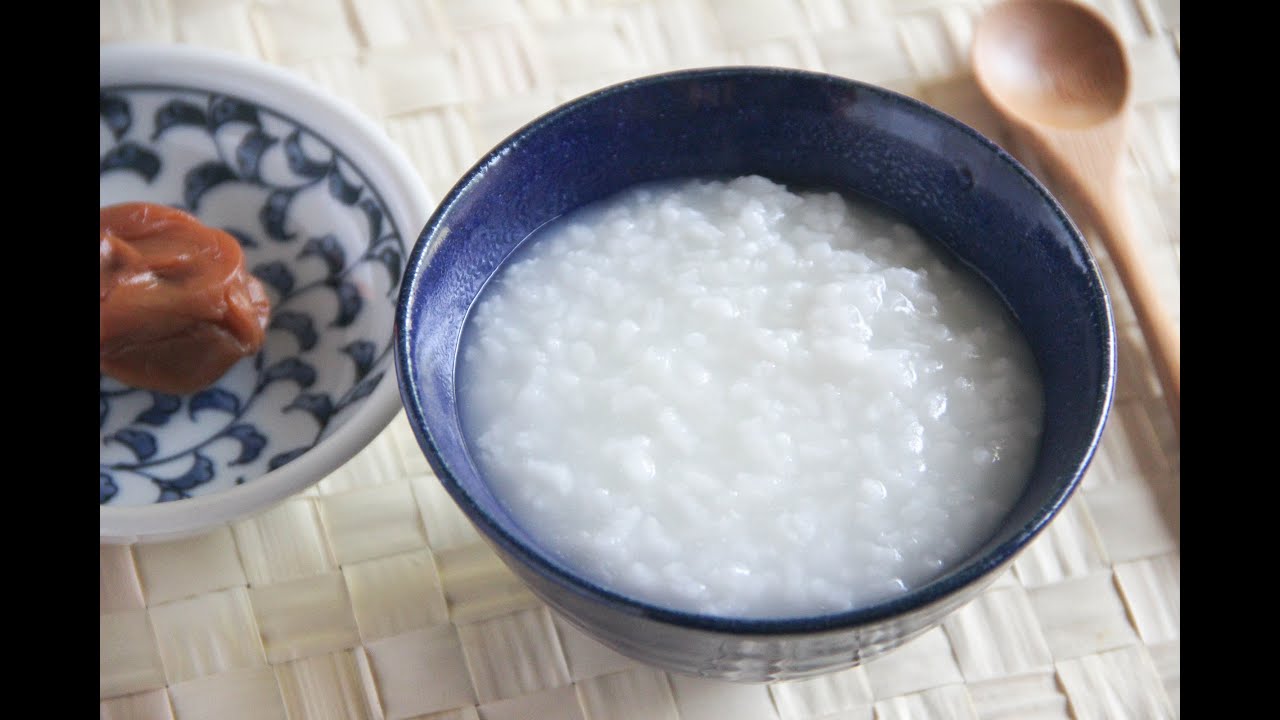 Watch it madeJapaneseCooking101 · 2:05
Ingredients
- Japanese short-grain white rice1/2 cup
- Water2 1/2 cups
- Fine sea salt1/4 tsp, plus more to taste
- Umeboshi2
- Scallion, thinly sliced1 tbsp
- Toasted sesame seeds1 tsp
Method
- Place the rice in a bowl, cover with cold water, and gently wash by swirling with your hand; drain and repeat until the water is only slightly cloudy.
- Drain the rice well, then let it sit in a sieve for 10 minutes.
- Transfer the rice to a heavy-bottomed pot or donabe and add the measured water.
- Let the rice soak in the water for 20 minutes before cooking.
- Set the pot over medium heat and bring it just to a boil, watching closely so it does not bubble over.
- Stir once from the bottom, reduce the heat to very low, and cover with the lid slightly ajar.
- Simmer gently for 30 to 35 minutes, without frequent stirring, until the grains are swollen and the porridge is thick but still loose.
- Turn off the heat, stir in the salt, cover fully, and let the okayu rest for 5 minutes.
- Ladle into warm bowls and top each serving with an umeboshi, sliced scallion, and a small pinch of toasted sesame seeds.
Common questions
Can I use sushi rice or another short-grain rice instead of Japanese short-grain white rice for okayu?
Yes. Sushi rice works well because it is also short-grain and starchy. Medium-grain rice is the next best option. Long-grain rice like basmati or jasmine will make a thinner, less creamy porridge and is not ideal.
How long should okayu soak and simmer so it comes out soft but not gluey?
Soak the rice in the measured water for 20 minutes before cooking, then simmer very gently for 30 to 35 minutes. It should be swollen and loose, not dry. If it thickens too much, add a little hot water.
What are the most common mistakes when making okayu?
The biggest mistakes are boiling too hard, stirring too often, and adding too little water. Those can make it scorch or turn gummy. Keep the heat very low, stir only once after boiling, and let it simmer gently.
How should I store leftover okayu, and can I reheat it?
Store cooled okayu in an airtight container in the refrigerator for up to 3 days. It will thicken as it sits. Reheat gently with a splash of water over low heat or in the microwave, stirring once or twice.
What are good serving substitutions if I don’t have umeboshi, scallion, or sesame seeds?
You can serve okayu plain with a little extra salt, or top it with pickled ginger, nori, toasted furikake, or a soft-boiled egg. For a more savory bowl, try a small dab of miso or soy sauce at the table.