Yemeni
Fahsa
Fahsa is a bubbling Yemeni lamb stew, pounded until silky and served in a hot stone bowl with whipped fenugreek hulba on top. It is eaten straight away with malawah or fresh flatbread for scooping.

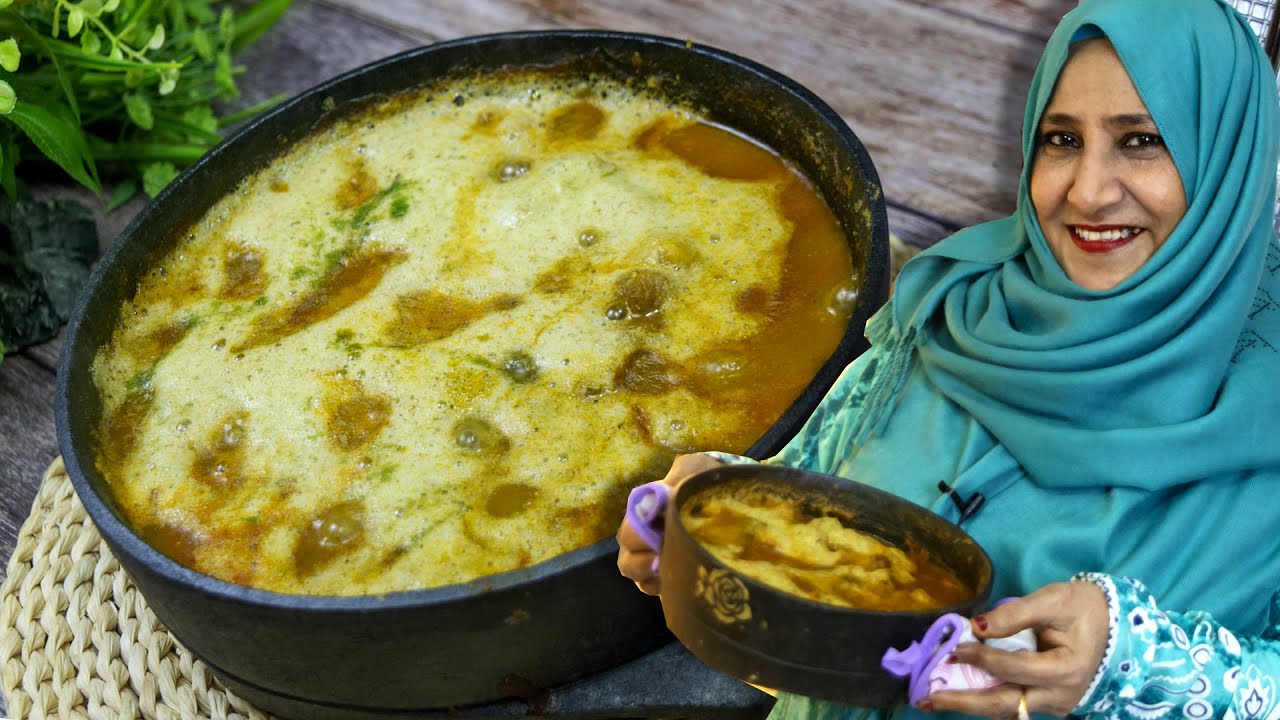 Watch it madeقدرية العولقي kadrea Al-awlaqy · 16:57
Ingredients
- Ground fenugreek1 1/2 tbsp
- Cold water, for soaking fenugreek1 cup
- Lamb shoulder or neck, bone-in600g
- Water, for cooking lamb4 cups
- Small onion, quartered1
- Garlic cloves, divided4
- Yemeni hawaij spice blend1 1/2 tsp
- Ground cumin1/2 tsp
- Black pepper1/2 tsp
- Salt1 tsp, plus more to taste
- Ghee or samneh1 1/2 tbsp
- Green chili1 small
- Fresh cilantro leaves1/3 cup
- Lemon juice1 tbsp
Method
- The night before cooking, stir the ground fenugreek with 1 cup cold water and leave it to soak at room temperature.
- Drain off the dark soaking water from the fenugreek, add 2 tablespoons fresh cold water, and whip vigorously with a spoon or whisk until pale, foamy, and slightly stretchy.
- Pound or blend the whipped fenugreek with 1 garlic clove, the green chili, cilantro, lemon juice, and a pinch of salt to make hulba, then set it aside.
- Place the lamb, 4 cups water, onion, 3 garlic cloves, hawaij, cumin, black pepper, and salt in a pot and bring to a boil.
- Skim the surface, then cover and simmer gently for 1 1/2 hours, or until the lamb is very tender and pulls easily from the bone.
- Lift out the lamb, strain and reserve the broth, discard the bones and onion, and shred the meat very finely with two forks or pound it lightly with a pestle.
- Heat a madara stone bowl or heavy clay pot until very hot, then add the ghee and the shredded lamb.
- Stir and pound the lamb in the hot bowl for 2 minutes until it sizzles and breaks down into a soft, cohesive texture.
- Add about 1 cup of the reserved hot broth a little at a time, stirring and pounding until the fahsa is loose, bubbling, and spoonable but not watery.
- Taste and adjust the salt, then spoon a few tablespoons of hulba over the surface and let it foam into the hot stew.
- Serve immediately while bubbling, with Yemeni flatbread for scooping.
Common questions
Can I substitute fenugreek powder or seeds if I can’t find ground fenugreek for the hulba?
Ground fenugreek is best because it hydrates and whips into the right foamy texture. Whole seeds are too hard and bitter. If needed, use a small amount of fenugreek powder, but soak it well and expect a stronger flavor.
How long does Fahsa take from start to finish, including soaking the fenugreek?
Plan on overnight soaking for the fenugreek, then about 2 to 2 1/2 hours of active cooking and finishing. The lamb needs about 1 1/2 hours simmering, plus shredding and reheating before serving.
What are the most common mistakes when making the fenugreek topping and lamb broth?
Don’t skip draining the soaking water, or the hulba can taste bitter. Whip the fenugreek vigorously enough to turn pale and foamy. Also, simmer the lamb gently; a hard boil makes the broth cloudy and the meat less tender.
How should I store leftovers, and can I make any parts ahead?
Store the lamb and broth separately from the hulba. The cooked lamb and broth keep 3 to 4 days refrigerated. Make the hulba fresh if possible, but you can soak the fenugreek ahead and refrigerate the drained paste overnight.
What’s the best way to serve Fahsa, and what should I do with the broth consistency?
Serve it very hot in a deep bowl with shredded lamb first, then ladle in enough broth to make a thick stew. Top with ghee or samneh and extra hulba if desired. Serve with flatbread for scooping.