Chinese
Cantonese Claypot Rice (Bao Zai Fan)
Fragrant jasmine rice is cooked in a claypot until a golden crust forms, then topped with marinated chicken, lap cheong, shiitake, and greens. The finishing soy sauce seeps into the hot rice and makes the bottom crisp and savory.

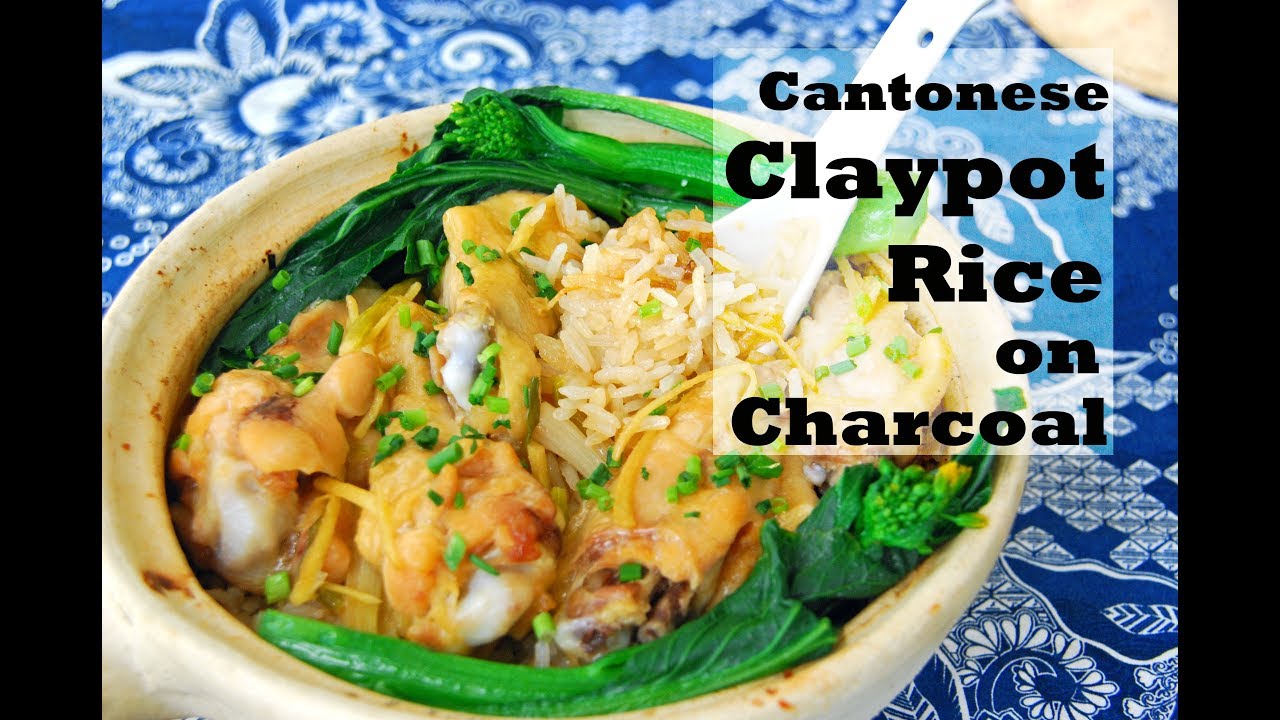 Watch it madeChinese Cooking Demystified · 4:54
Ingredients
- Thai jasmine rice1 cup
- Water1 cup plus 2 tablespoons
- Boneless chicken thigh, cut into bite-size pieces250g
- Lap cheong, thinly sliced on the diagonal1 link
- Dried shiitake mushrooms3
- Gai lan or choy sum150g
- Fresh ginger, finely shredded2 teaspoons
- Spring onion, thinly sliced1
- Light soy sauce2 tablespoons
- Dark soy sauce1 1/2 teaspoons
- Oyster sauce1 tablespoon
- Shaoxing wine1 tablespoon
- Cornstarch1 teaspoon
- Sugar1 teaspoon
- Ground white pepper1/4 teaspoon
- Sesame oil2 teaspoons
- Neutral oil or rendered chicken fat1 tablespoon
- Hot water2 tablespoons
Method
- Rinse the jasmine rice until the water runs mostly clear, then soak it in fresh water for 30 minutes.
- Soak the dried shiitake mushrooms in warm water until softened, then squeeze dry, remove the stems, and slice the caps.
- Marinate the chicken with 1 tablespoon light soy sauce, 1 teaspoon dark soy sauce, 2 teaspoons oyster sauce, Shaoxing wine, cornstarch, sugar, white pepper, 1 teaspoon sesame oil, half the ginger, and the sliced shiitake for at least 20 minutes.
- Mix the claypot sauce in a small bowl with the remaining 1 tablespoon light soy sauce, remaining 1/2 teaspoon dark soy sauce, remaining 1 teaspoon oyster sauce, 2 tablespoons hot water, and remaining 1 teaspoon sesame oil.
- Blanch the gai lan or choy sum in boiling water until just tender, then drain and set aside.
- Drain the soaked rice and add it to a 1.5 to 2 litre claypot with 1 cup plus 2 tablespoons water.
- Bring the rice to a boil over medium heat, stir once, then cover and cook for 6 to 8 minutes until the surface water is mostly absorbed and small steam holes appear.
- Quickly arrange the marinated chicken, shiitake, and lap cheong over the rice, cover, and reduce the heat to low.
- Cook for 12 to 15 minutes, rotating the claypot occasionally so the rice cooks evenly and the chicken is fully cooked.
- Drizzle the neutral oil or chicken fat around the inside edge of the claypot, then cook for 2 to 3 more minutes to form a crisp rice crust.
- Turn off the heat and let the covered claypot rest for 8 minutes so the rice finishes steaming.
- Top with the blanched greens, spring onion, and remaining ginger, then pour the claypot sauce over the hot rice just before serving.
- Mix from the bottom at the table, scraping up the crisp rice crust with the sauced rice, chicken, sausage, mushrooms, and greens.
Common questions
Can I substitute the lap cheong or chicken in Cantonese claypot rice?
Yes. Use Chinese sausage alternatives like sweet Italian sausage only in a pinch, but the flavor will be different. Chicken thigh can be swapped for pork belly, prawns, or mushrooms; keep pieces small so they cook through quickly.
How long does claypot rice take from start to finish?
Plan for about 45–60 minutes total, including rice soaking, mushroom soaking, marinating, and cooking. Active stovetop time is usually 25–35 minutes, depending on your pot, flame strength, and how much rice you’re making.
What are the most common mistakes when cooking claypot rice?
The biggest mistakes are using too much water, stirring the rice, and cooking over too high a heat too early. That can make the bottom burn before the top is done. Also, don’t add the toppings too soon or they’ll overcook.
How should I store and reheat leftover claypot rice?
Cool leftovers quickly, then refrigerate in a sealed container for up to 3 days. Reheat covered in a microwave with a splash of water, or in a skillet over low heat. The rice won’t be as crispy, but it stays flavorful.
What should I serve with Cantonese claypot rice?
Serve it with extra sauce, a light soup, or simply more blanched greens on the side. A drizzle of soy sauce or chili oil works well at the table. It’s filling enough to be a complete meal on its own.