Pasta Dishes From Italy, Egypt, China and Beyond
From baked sheets to chilled noodles, these pasta dishes show how a simple starch changes shape, sauce, and tradition across borders.
Pasta is not one thing. It can be layered, tossed, baked, folded into cream, or dressed with sharp chile and sesame, depending on where it lands.
These dishes come from different kitchens and customs, but each depends on the same basic comfort: a bowl built around wheat, sauce, and care.
A baked pan with structure
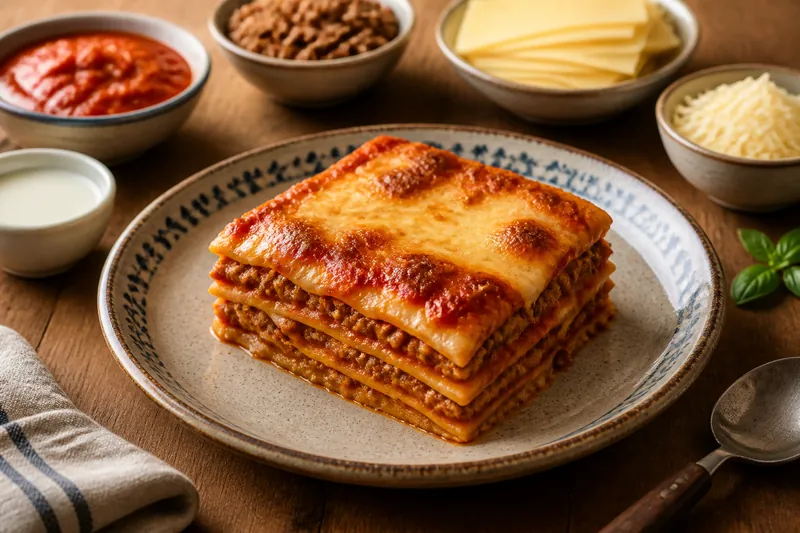
Classic Beef LasagnaPastaOpen the recipe →Classic Beef Lasagna is built in layers: pasta sheets, seasoned beef sauce, and a creamy filling that bakes into a cohesive slice. The flavor is deep and savory, with enough richness to feel complete on its own. It is worth cooking because it feeds a table well and tastes even better after a short rest. That rest matters. Let the lasagna sit before cutting, or the layers will slide apart and the pan will lose the clean, sturdy slices that make it so satisfying.
Silky sauce from simple ingredients
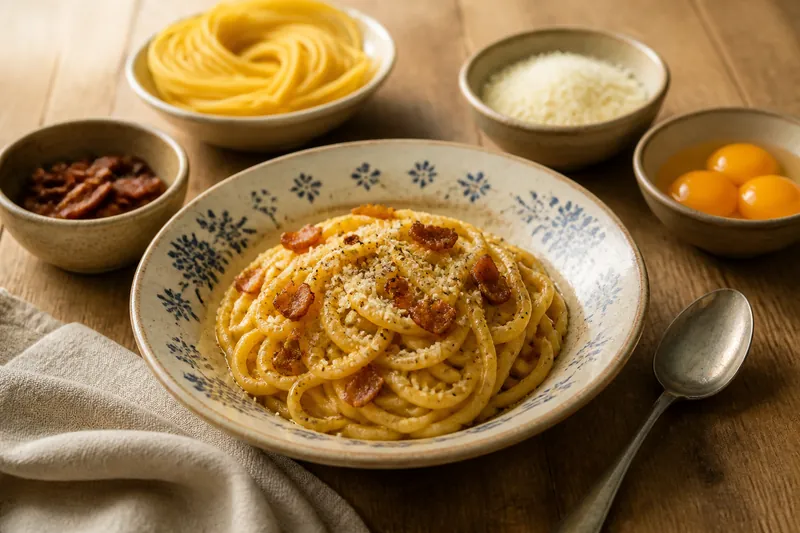 Authentic Spaghetti CarbonaraItalianOpen the recipe →
Authentic Spaghetti Carbonara is all about balance: cured pork, cheese, egg, and hot pasta stirred together until the sauce turns glossy and coats every strand. It tastes rich without feeling heavy, with pepper and salt cutting through the fat. It is worth cooking because it comes together quickly and rewards precision rather than long effort. The one thing to know is timing. The pasta must be hot enough to thicken the eggs, but not so hot that they scramble, so work off the heat and move quickly.
A short route to comfort
 Creamy Fettuccine AlfredoPastaOpen the recipe →
Creamy Fettuccine Alfredo is smooth, mild, and full of buttered dairy richness. The broad noodles carry the sauce well, so each bite feels soft and even. It is worth cooking because it uses a small amount of time and gives a very direct kind of comfort, especially with good cheese and fresh black pepper. The key thing to know is to save a little pasta water. That starchy water helps loosen the sauce and makes it cling to the fettuccine instead of turning thick and pasty.
Tomato sauce with heat
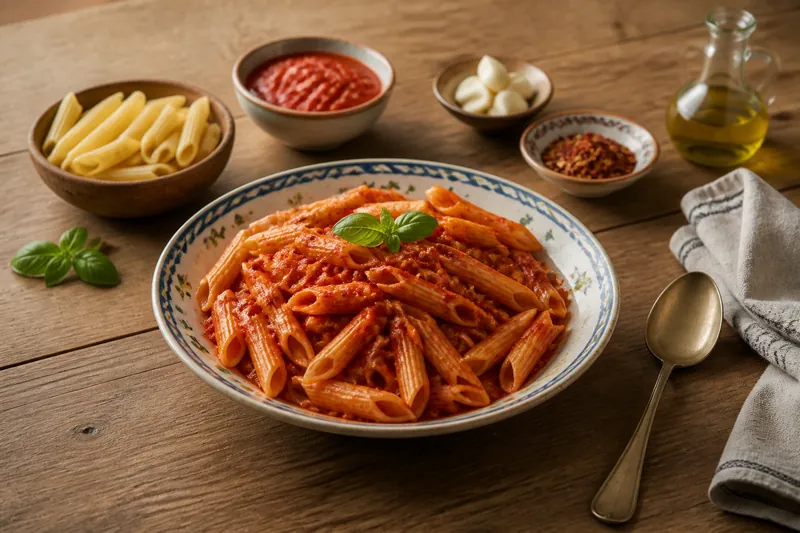 Spicy Penne ArrabbiataPastaOpen the recipe →
Spicy Penne Arrabbiata is a straightforward pasta dish with a tomato base, garlic, and chile heat that builds as you eat. The penne catches the sauce inside its tubes, so every forkful has both body and sharpness. It is worth cooking because it is lean, fast, and easy to keep on hand for an ordinary evening. The one thing to watch is the chile. Start with less if you are unsure, because the heat should sharpen the sauce rather than bury the tomato flavor beneath it.
Green sauce that clings to twists
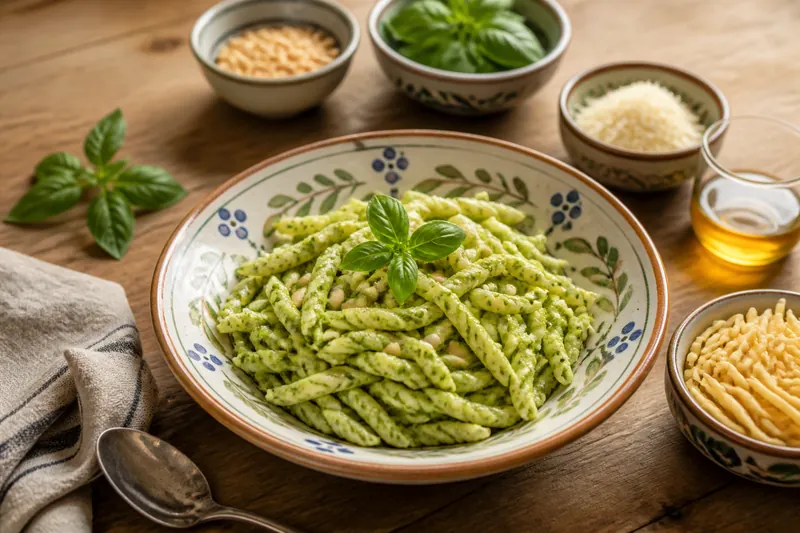 Basil Pesto with TrofiePastaOpen the recipe →
Basil Pesto with Trofie is a Ligurian-style dish that brings together a bright herb sauce and a short, twisted pasta that holds it well. The taste is fresh, nutty, and clean, with basil leading and cheese and garlic filling in the edges. It is worth cooking because it turns a few intense ingredients into a full meal without much effort. One thing to know is to treat the basil gently. Overprocessing can darken the sauce and mute the aroma, so stop as soon as it is smooth enough.
Baked pasta with a white sauce
 Egyptian Macarona BechamelEgyptianOpen the recipe →
Egyptian Macarona Bechamel is a layered baked dish of pasta, seasoned meat sauce, and béchamel that turns golden in the oven. The flavor is mellow but substantial, with the milk sauce softening the edges of the tomato and meat. It is worth cooking because it brings together familiar pantry ingredients in a format that slices neatly and serves a crowd. The cook should know that the béchamel needs attention. Stir it until smooth and thick enough to coat, or the final bake can come out loose rather than set.
Noodles with heat, depth, and bite
 Sichuan Dan Dan NoodlesChineseOpen the recipe →
Sichuan Dan Dan Noodles are known for their balance of chili heat, savory sauce, and a nutty base that coats the noodles without weighing them down. The flavor is layered: salty, sharp, spicy, and faintly sweet, with enough texture from the topping to keep each bite interesting. It is worth cooking because it feels complete and lively even though it comes together quickly. One thing to know is that the sauce should be well mixed before serving, so every bowl gets the same balance of spice and richness.
The Ligurian classic in its proper form
 Trofie al Pesto GenoveseItalianOpen the recipe →
Trofie al Pesto Genovese pairs the region’s knotted pasta with a basil pesto that is fragrant, sharp, and deeply green. The pasta’s shape helps catch sauce in its curves and seams, so the dish tastes full even though the ingredients are few. It is worth cooking because it shows how exact a simple dish can be. The main thing to know is not to drown the pasta. The sauce should coat rather than swamp, and a little cooking water helps it spread evenly.
Earthy, soft, and quietly rich
 Creamy Garlic Mushroom PastaItalianOpen the recipe →
Creamy Garlic Mushroom Pasta brings together browned mushrooms, garlic, and a cream sauce that settles into the noodles with an earthy sweetness. It tastes mellow and savory, with the mushrooms giving the dish its main depth. It is worth cooking because it feels substantial without requiring much more than a pan and a pot. One thing to know is to cook the mushrooms properly before adding the cream. Let them release their moisture and take on color, or the sauce can taste flat and watery.
A simple pilaf with a toasty edge
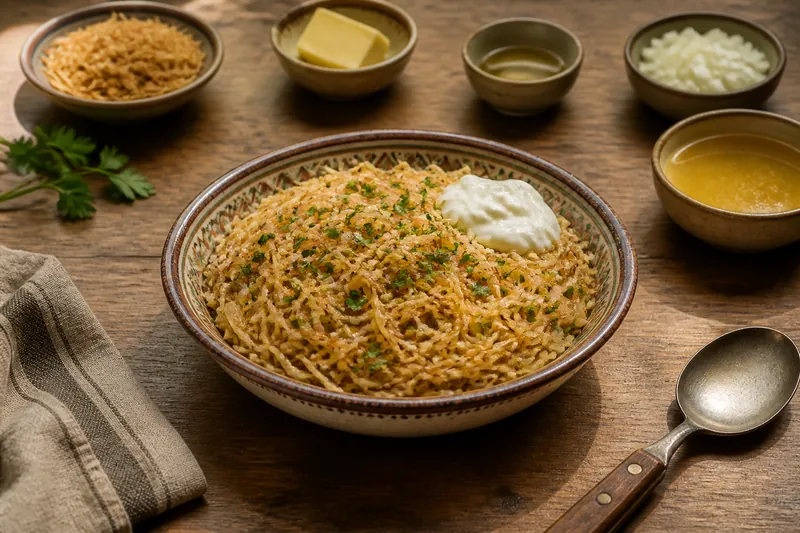 Arishta PilafArmenianOpen the recipe →
Arishta Pilaf uses toasted pasta pieces in place of rice, giving the dish a nutty flavor and a light, satisfying chew. It is plain in the best sense: warm, comforting, and shaped by the flavor of broth, butter, or seasoning rather than heavy sauce. It is worth cooking because it stretches modest ingredients into something homely and complete. The one thing to know is to toast the arishta carefully. Even browning gives the pilaf its flavor; too much color can turn the taste bitter.
Taken together, these dishes show pasta as a useful form rather than a fixed recipe. It can carry cream, tomato, herb oil, cheese, heat, or baked sauce, and still feel natural to the place that made it. That is the charm of pasta: familiar, but never limited.