Eight Japanese Dishes You Can Put on the Table in 30 Minutes
These quick Japanese dishes keep the work simple: rice bowls, cutlets, skewers, soup, and one soothing bowl of tea-soaked rice.

Japanese home cooking often relies on a few well-made pantry staples, so a meal can come together without much waiting. Rice, soy sauce, mirin, miso, dashi, and ginger do most of the work.
These are the dishes that reward a short, focused cook: enough flavor for a proper supper, little more than a chopping board and a pan. Each one is built to fit into half an hour.
Thin beef, sweet onions, and rice
Gyudon (Beef Bowl)JapaneseOpen the recipe →Gyudon is one of the simplest Japanese comfort dishes: thin slices of beef and onion simmered in a lightly sweet soy broth, then spooned over hot rice. It tastes savory, gently sweet, and clean rather than heavy. The onions soften into the sauce and give the bowl its body. It is worth cooking because it delivers a full meal with very little handling. The main thing to know is to slice the beef thinly, so it cooks quickly and stays tender; if you buy it pre-sliced, the rest moves fast.
Eggs set softly over chicken and rice
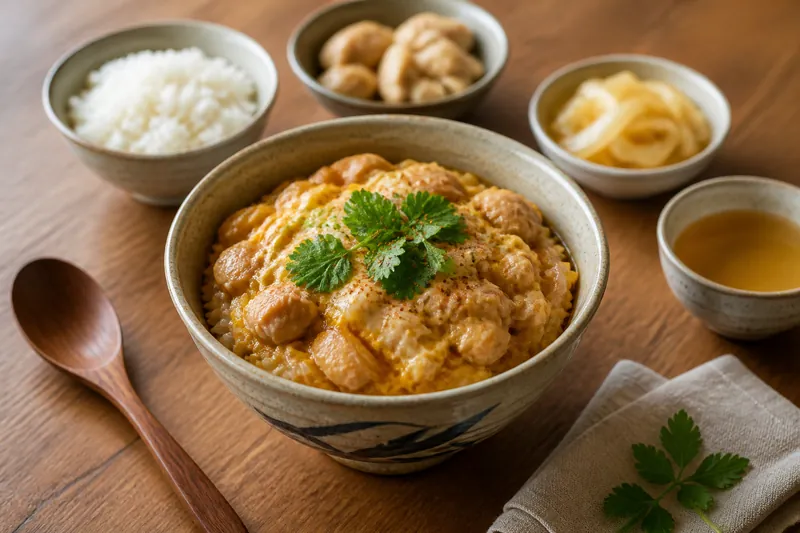 OyakodonJapaneseOpen the recipe →
Oyakodon is chicken and onion simmered in a soy-dashi mixture, then bound with softly set egg and served over rice. The name means parent and child, which is a plain way to describe the chicken and egg together. The flavor is mild, savory, and slightly sweet, with the egg giving the dish a silky finish. It is worth making when you want a fast supper that feels complete. Watch the eggs closely: they should be just set, not dry, so keep the heat moderate and stop while they still look a little loose.
Glossy chicken with a familiar sweet-salty glaze
 Chicken Teriyaki DonburiJapaneseOpen the recipe →
Chicken Teriyaki Donburi is a rice bowl topped with chicken coated in teriyaki sauce, usually reduced to a shiny glaze in the pan. The taste is familiar and balanced: soy for salt, mirin or sugar for sweetness, and a little richness from the chicken. It is a practical weeknight dish because the sauce and the meat cook together. A cook should know that the sauce can go from glossy to sticky very quickly, so keep the chicken moving and remove it once the glaze clings rather than thickens too far.
Pork and ginger, cooked fast
 Buta no ShogayakiJapaneseOpen the recipe →
Buta no Shogayaki is sliced pork cooked quickly in a ginger-soy sauce. It has a sharp, warm fragrance from the ginger and a salty-sweet finish that suits plain rice very well. The pork is usually cut thin so it cooks in minutes and stays juicy. It is worth making because the ingredients are basic, but the flavor is clear and satisfying. The main thing to know is not to overcrowd the pan; cook the pork in a single layer if you can, so it browns lightly and does not stew.
A crisp crust with a juicy center
 Tonkatsu (Crispy Pork Cutlet)JapaneseOpen the recipe →
Tonkatsu is a breaded pork cutlet fried until crisp and pale-golden, then sliced and usually served with sauce and shredded cabbage. It tastes straightforward and satisfying: crunchy outside, juicy pork inside, with a savory sauce that cuts through the richness. It is worth cooking because it gives you texture, which is often what makes a quick dinner feel finished. The key point is oil temperature. If it is too cool, the crumb absorbs fat; if it is too hot, the coating darkens before the pork is done.
Skewers with smoke, char, and scallion
 Yakitori Negima (Grilled Chicken and Scallion Skewers)JapaneseOpen the recipe →
Yakitori Negima is chicken and scallion threaded onto skewers and grilled until lightly charred, often brushed with sauce. The flavor is direct: savory chicken, sweet oniony scallion, and a little smoke from the grill or broiler. It is worth making because the ingredients are few, but the contrast between the meat and the scallion keeps each bite lively. Before you start, cut the chicken and scallions to similar sizes so they cook evenly. If using wooden skewers, soak them first; otherwise they can scorch before the chicken is done.
A quiet bowl of miso soup
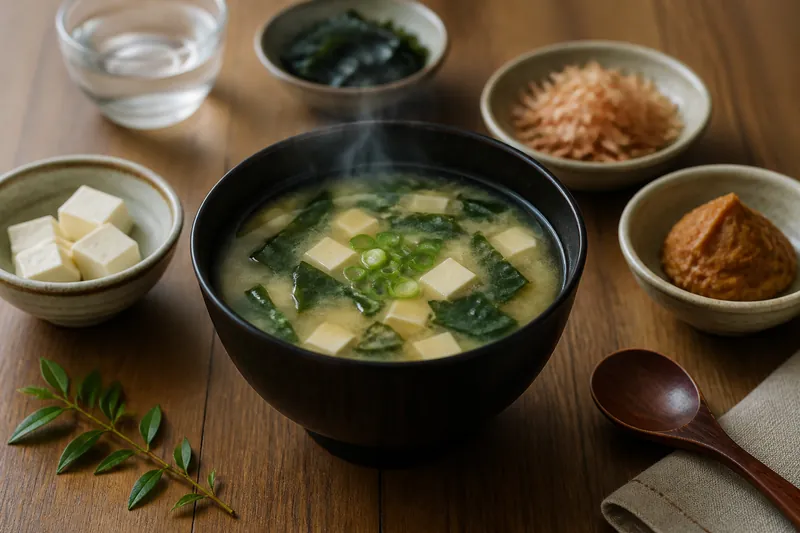 Miso ShiruJapaneseOpen the recipe →
Miso Shiru is the everyday miso soup served with Japanese meals. At its simplest it is dashi, miso paste, and a few additions such as tofu or wakame, though the broth is what matters most. It tastes gentle, savory, and lightly fermented, with a warmth that settles the meal rather than dominating it. It is worth cooking because it comes together quickly and makes even a plain supper feel complete. One thing to know: do not boil the miso after adding it, or the flavor becomes flatter and the soup loses some of its freshness.
Rice softened with tea or broth
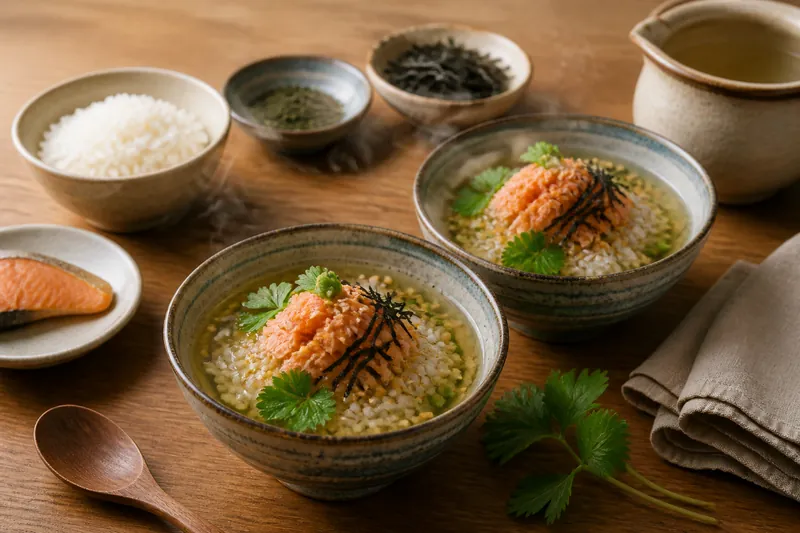 OchazukeJapaneseOpen the recipe →
Ochazuke is a bowl of rice with green tea or dashi poured over it, usually finished with simple toppings such as fish, pickles, or seaweed. The result is light, soothing, and a little salty, with the rice softening into the hot liquid. It is worth cooking when you want something very quick, especially from leftover rice. The main thing to know is that the rice should be hot before you pour over the tea or broth; cold rice stays stubborn and the texture is not the same. Keep the toppings modest so the bowl stays clean and calm.
These dishes work because they do not ask for much. A few careful cuts, a hot pan, and the right sauce are enough. Used well, they turn a half hour into dinner without making the kitchen feel hurried.