Eight Easy Sri Lankan Dishes to Cook at Home
These eight Sri Lankan dishes rely on rice, coconut, lentils, herbs, and quick sambols, making them practical to cook in a home kitchen.

Sri Lankan food has a directness that suits home cooking. Many dishes use a short list of ingredients, simple seasoning, and methods that depend more on timing than technique.
The recipes here are the ones worth starting with. Some are fresh condiments, some are rice or lentil dishes, and all of them show how much flavour the cuisine can build with coconut, chilli, onion, and curry leaves.
Fresh greens, lime, and coconut
Gotu Kola SambolSri LankanOpen the recipe →Gotu kola sambol is a chopped herb salad built from gotu kola, grated coconut, onion, chilli, and lime. It tastes bright, grassy, and a little sharp, with coconut softening the edges. It is worth cooking because it brings freshness to a meal heavy with rice or curry, and it takes only a few minutes once the herbs are cleaned and chopped. The one thing to know is that the leaves must be prepared finely; the texture is part of the dish, and large pieces do not work well.
Creamy rice for a proper meal
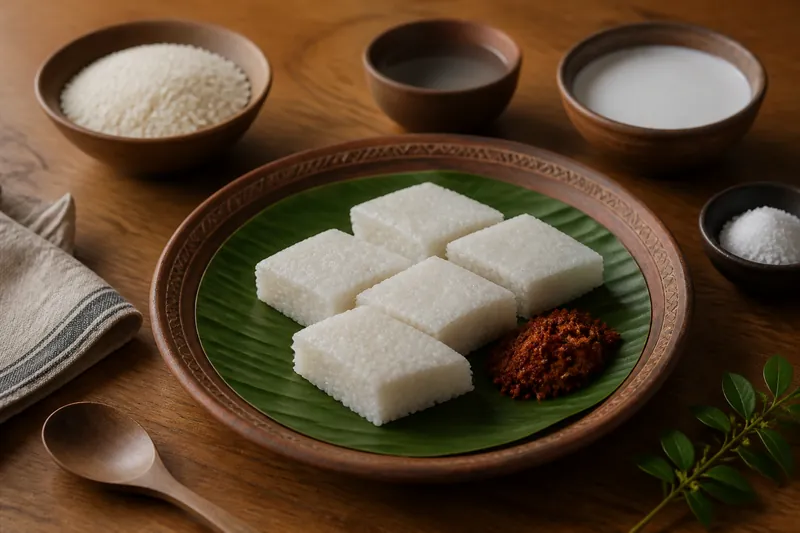 KiribathSri LankanOpen the recipe →
Kiribath is coconut milk rice, cooked until the grains are soft and then pressed into a slab. It tastes rich and mild, with a clean coconut note and a comforting, almost pudding-like texture. It is worth making because it turns plain rice into something ceremonial and satisfying, and it sits well beside sambols or curry. The main thing to watch is the liquid ratio: the rice should be fully cooked and sticky enough to shape, but not so wet that it collapses when cut.
A sharp chilli paste with punch
 Lunu MirisSri LankanOpen the recipe →
Lunu miris is a pounded sambol of red onion, chilli, salt, lime, and sometimes dried fish or Maldive fish. It tastes hot, salty, and sour, with onion bite and a slight depth from the fish element when used. It is worth cooking because it wakes up plain rice, bread, or kiribath with very little effort. Before starting, remember that balance matters more than precision: the paste should taste aggressive but not flat, and the salt and lime need adjusting at the end.
Quick wilted greens with coconut
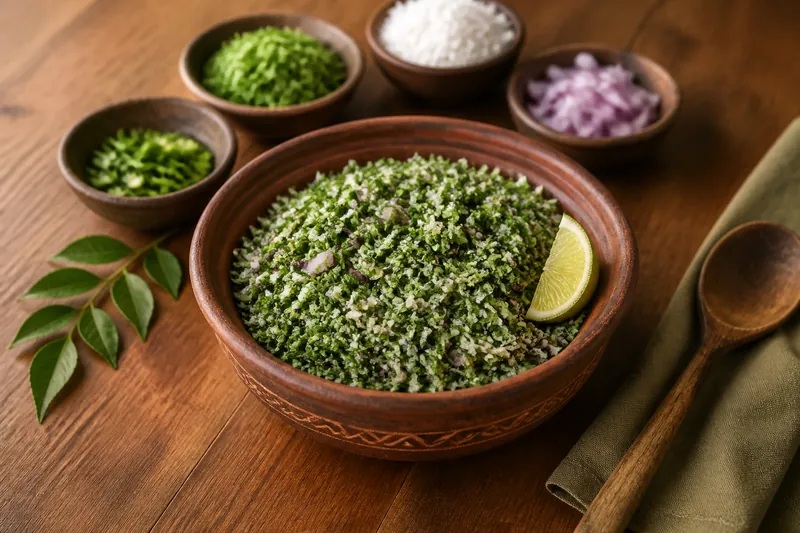 MallungSri LankanOpen the recipe →
Mallung is a lightly cooked mix of chopped greens, grated coconut, chilli, onion, and curry leaves. It tastes fresh but rounded, with the greens softened just enough and the coconut giving body. It is worth cooking because it is one of the easiest ways to add vegetables to a Sri Lankan meal without making a separate curry. The key point is not to overcook it. The greens should wilt and stay green; if they go limp and dull, the dish loses its lively texture.
Red lentils in coconut curry
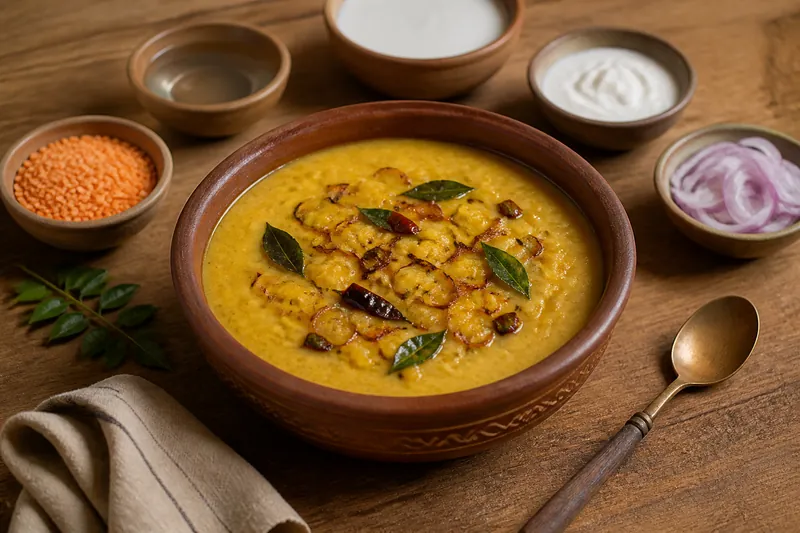 Parippu CurrySri LankanOpen the recipe →
Parippu curry is a red lentil curry cooked with coconut milk, turmeric, chilli, onion, and often curry leaves or mustard seeds. It tastes soft, earthy, and gently spiced, with the coconut giving it a rounded finish. It is worth learning because it is one of the most useful Sri Lankan staples: cheap, filling, and good with rice, roti, or bread. The main thing to know is that the lentils should break down completely, so the curry becomes thick and spoonable rather than soupy.
Flatbread with coconut in the dough
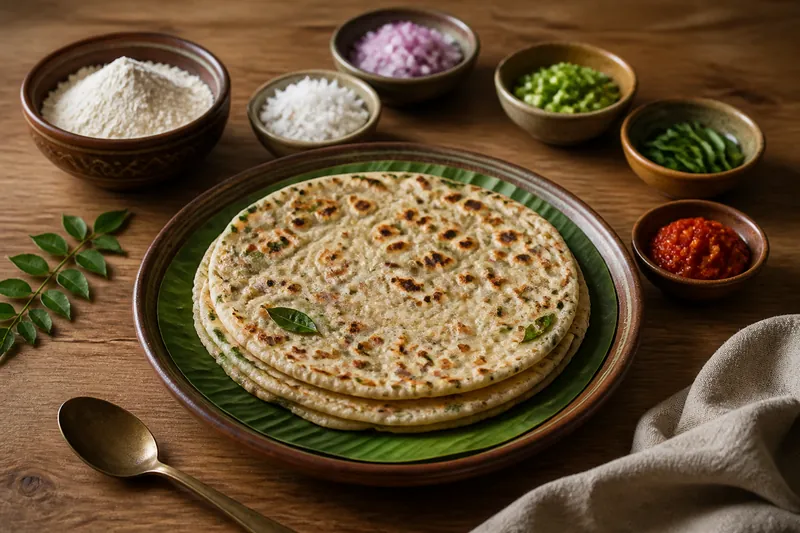 Pol RotiSri LankanOpen the recipe →
Pol roti are flatbreads made with flour, coconut, and often onion or chilli folded through the dough. They taste lightly sweet from the coconut and savoury from the onion and salt, with browned spots from the pan. They are worth making because they are more forgiving than many breads and make a meal feel complete. The thing to know is that the dough should be soft but manageable; too dry and the rotis crack, too wet and they are hard to roll or pat out.
Coconut relish for almost anything
 Pol SambolSri LankanOpen the recipe →
Pol sambol is a raw coconut relish mixed with chilli, onion, lime, and salt, sometimes with a little Maldive fish. It tastes fresh, hot, and sharply seasoned, with the sweetness of coconut carrying the heat. It is worth making because it is the easiest way to bring Sri Lankan flavour to a table, and it suits rice, roti, or even toast. The one thing to know is that fresh coconut is best; if using frozen, thaw it fully and fluff it well so the relish does not turn dense.
Fast pickle with sour heat
 Sri Lankan AchcharuSri LankanOpen the recipe →
Sri Lankan achcharu is a quick pickle, often made with vegetables or fruit, spiced with chilli, mustard, vinegar, and sometimes sugar. It tastes sour, hot, and sweet in a compact way, with enough crunch to stand beside rich food. It is worth cooking because it cuts through coconut milk curries and fried dishes, giving the plate lift. The key point is timing: the vegetables should stay crisp, so the brief cooking is only to coat and season them, not to soften them completely.
Taken together, these dishes give a clear way into Sri Lankan cooking: one rice dish, one curry, a few relishes, and breads to carry them. Start with the sambols, then move to kiribath or parippu curry, and the rest will fall into place around them.