Ten Street Snacks From Around the World Worth Cooking
From filled pancakes to fried plantain and cheese breads, these snack dishes are compact, direct, and made for the first hot bite.
Snack dishes are often the clearest expression of a place’s cooking: small, fast, and built around sharp contrast. Some are fried, some steamed, some griddled, but all are meant to be eaten soon after they’re made.
These ten dishes travel from Korea to Colombia, Ghana to Tunisia. They are worth cooking for the same reason they’re worth seeking out: each one has a tight texture, a strong flavor, and a clear method that rewards attention.
Chewy rice cakes in a fierce, glossy sauce
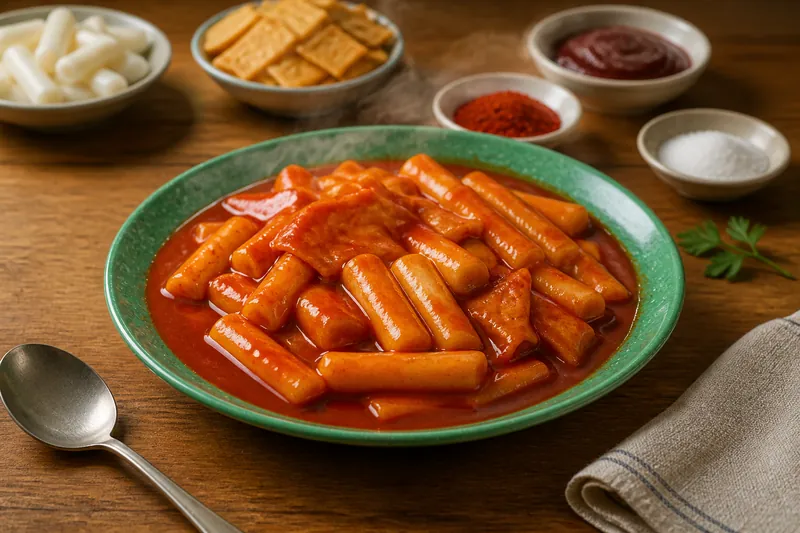
TteokbokkiKoreanOpen the recipe →Tteokbokki is all about texture: soft, chewy rice cakes simmered in a sauce that is sweet, savory, and usually hot with gochujang. The result is dense and satisfying, with enough sauce to coat each piece without turning soupy. It is worth cooking because it comes together quickly and gives a strong, unmistakable flavor from a short ingredient list. A cook should know that the rice cakes need enough liquid to soften properly; if they sit too long, they can tighten up, so serve it as soon as the sauce clings.
Sweet plantain wrapped around cheese
 AborrajadoColombianOpen the recipe →
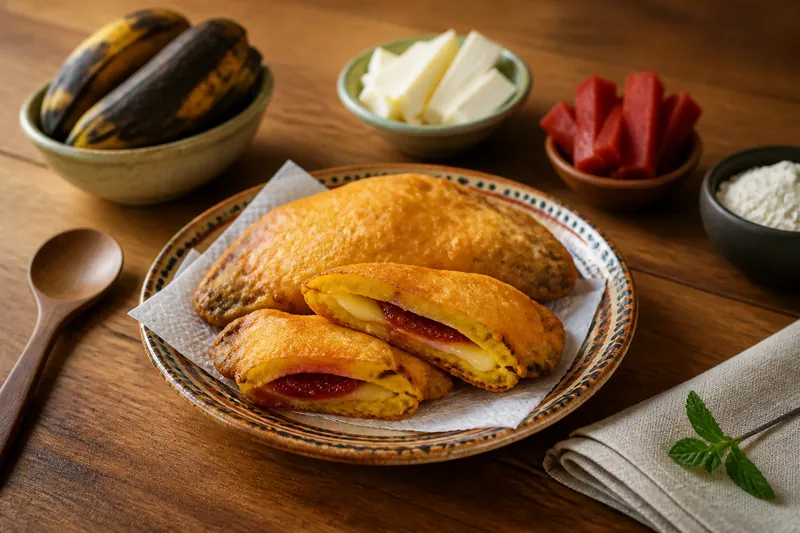
Aborrajado is a Colombian snack of ripe plantain split, filled with cheese, and fried until the outside turns bronzed and crisp. The plantain brings sweetness and a soft, almost custardy interior, while the cheese adds salt and a stretchy center. It is worth cooking because it uses a few basic ingredients and gives a satisfying mix of sweet, salty, and fried. A cook should know that the plantains must be very ripe for the best texture and sweetness; underripe ones stay firm and taste flat.
Cassava fritters with a firm, earthy bite
 Agbeli KakloGhanaianOpen the recipe →
Agbeli Kaklo are Ghanaian fritters made from cassava, shaped and fried until crisp on the outside and dense within. They taste clean and slightly tangy, with an earthy starchiness that makes them especially good with a peppery dip or a cold drink. They are worth cooking because they turn a humble root into something portable and deeply satisfying. A cook should know that cassava needs careful handling and proper grating or mashing for the right texture; the mixture should hold together before it goes into the oil.
A crisp corn cake with a hidden egg inside
 Arepa de HuevoColombianOpen the recipe →
Arepa de Huevo is a Colombian street snack that begins as a fried corn arepa, then is split and filled with a whole egg before a second fry seals it. The shell is crisp and lightly blistered, while the inside stays tender and rich. It is worth cooking because the contrast is so direct: corn, egg, and hot oil in a compact package. A cook should know the first fry has to set the arepa enough to open it cleanly, and the oil must be hot enough to finish the egg without soaking the crust.
Lacy semolina pancakes with a honeyed finish
 BaghrirMoroccanOpen the recipe →
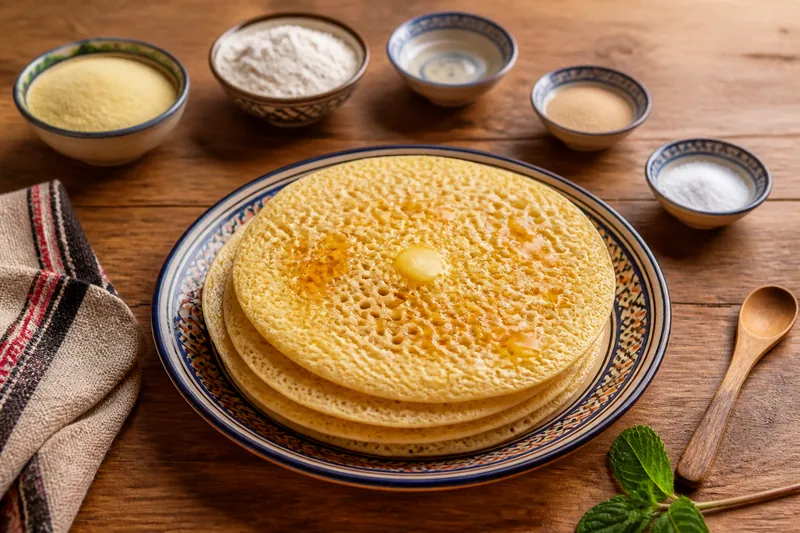
Baghrir are Moroccan semolina pancakes known for their surface full of tiny holes, which catch butter and honey beautifully. They taste lightly wheaty, faintly tangy, and very soft, with a spongy crumb rather than a browned crust. They are worth cooking because the batter transforms into something delicate and useful for breakfast or tea. A cook should know that the resting time matters; the batter needs it to develop the bubbles that make the signature texture, and the pan should be only lightly heated so the top sets before the bottom colors too much.
An egg dish with a very particular richness
 BalutFilipinoOpen the recipe →
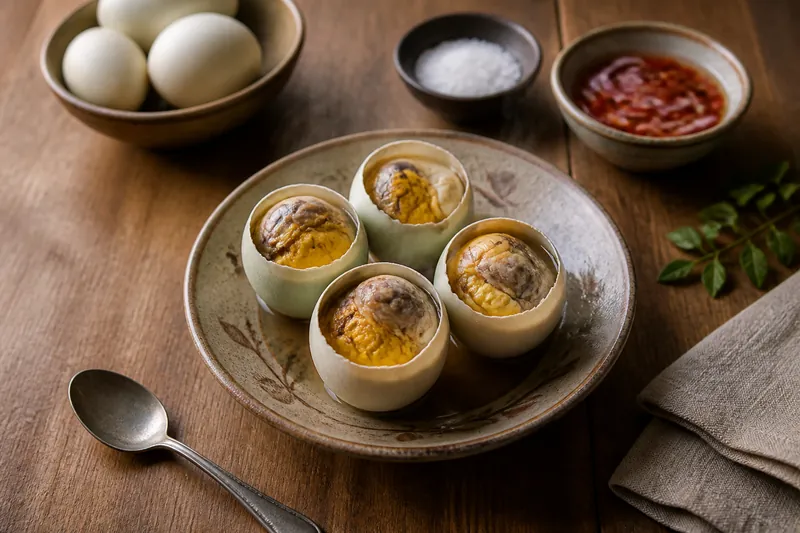
Balut is a Filipino snack built from a fertilized duck egg cooked in the shell and eaten warm. It has a broth-like richness, a tender yolk, and layers of texture that are unlike an ordinary boiled egg. It is worth cooking for those who want to understand one of the country’s most talked-about street foods at home, on its own terms. A cook should know that timing and warmth matter most; it is usually enjoyed soon after cooking, when the contents are still hot and the shell opens cleanly.
Ring doughnuts made for sugar and heat
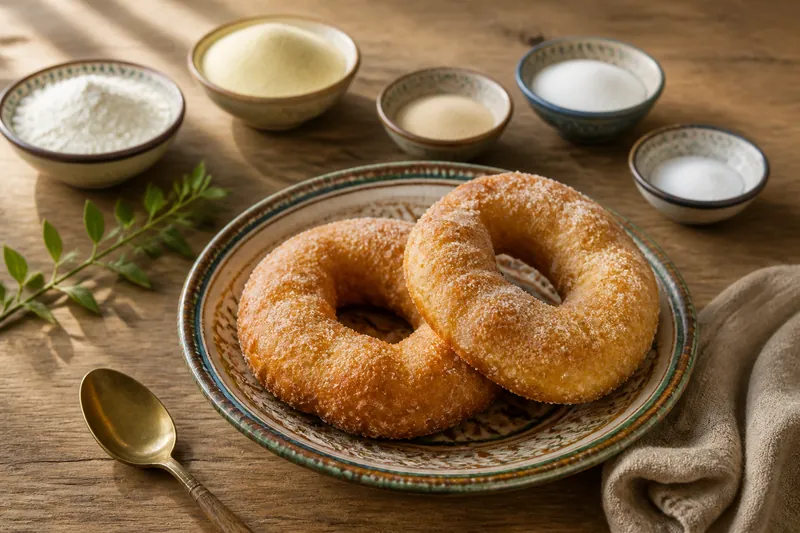 BambalouniTunisianOpen the recipe →
Bambalouni are Tunisian fried dough rings, crisp outside and soft inside, usually finished with sugar while still warm. They taste plain in the best way: wheaty, lightly enriched, and dependent on the fryer’s heat for their shape and color. They are worth cooking because they are simple but exacting, and the first hot doughnut is a good reward for the wait. A cook should know the long prep time is part of the recipe; the dough needs enough time to rise properly, or the rings will be heavy rather than airy.
Charred plantain with a smoky sweetness
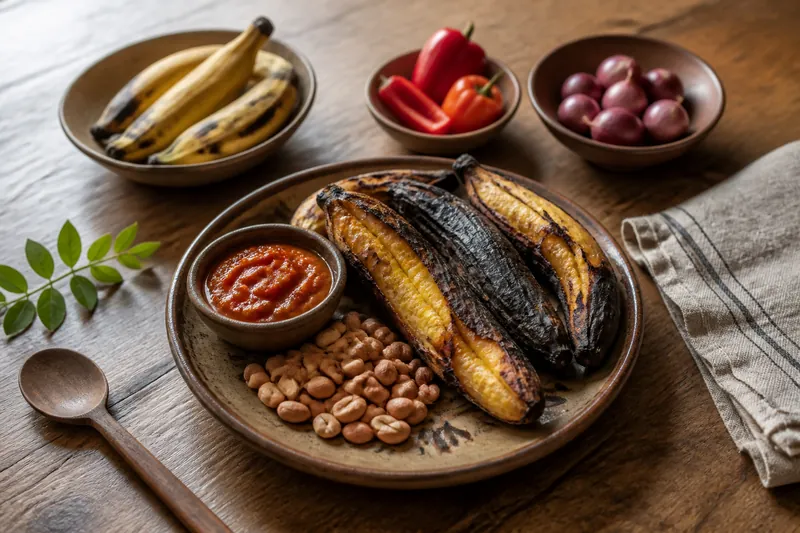 BoliNigerianOpen the recipe →
Boli is Nigerian roasted or grilled plantain, cooked until the skin blackens and the flesh turns soft, sweet, and smoky. It is often eaten on its own or with a sharp, peppery sauce, and it works because the direct heat deepens the plantain’s natural sugars. It is worth cooking for how little needs to be done to it: the heat does most of the work. A cook should know to choose ripe plantains for sweetness and to manage the fire carefully so the outside chars without leaving the center underdone.
A grilled sandwich with a braai’s smoke
 BraaibroodjieSouth AfricanOpen the recipe →
Braaibroodjie is a South African toasted sandwich cooked over the coals of a braai, usually with cheese, tomato, and onion. The bread grills crisp, the filling softens, and the smoke gives the sandwich a depth a skillet cannot quite match. It is worth cooking because it is plain food turned specific by the fire. A cook should know that the bread needs to be buttered or oiled on the outside and the heat kept moderate, so the cheese melts before the bread burns.
Fish-shaped pastry with a warm filling
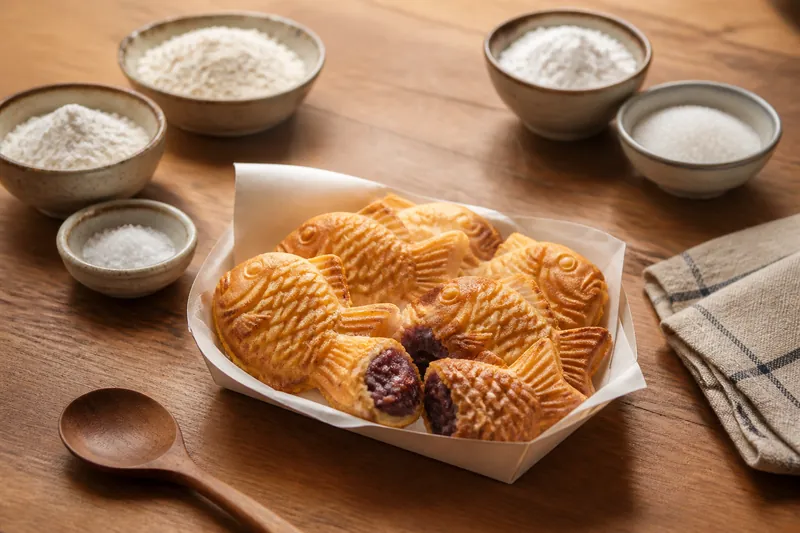 BungeoppangKoreanOpen the recipe →
Bungeoppang is a Korean street pastry shaped like a fish and cooked in a special mold until crisp outside and tender within. The usual filling is sweet red bean paste, which gives it a soft, earthy sweetness that suits the light batter. It is worth cooking because the shape is playful, but the result is serious comfort food. A cook should know the mold needs to be preheated and filled carefully; too much batter or filling will leak, and too little will leave the pastry thin and dry.
These snacks are small, but they are not minor. Each one gives a clear lesson in balance: chew and crisp, sweet and salty, hot and soft. Cook them soon, eat them hot, and let them speak plainly.