The Side Dishes Worth Cooking, From Paris to Nepal
Ten sides from five continents, from creamy potatoes to spiced vegetables, each worth making when the main dish needs company.
Side dishes are often treated as an afterthought, though they are the part of a meal that can carry the most memory. A good one brings texture, seasoning, and a sense of place to the table.
These are the dishes worth cooking because they do more than fill space. Some are simple and comforting, some are rich enough to stand on their own, and all of them show how much care can live in the edges of a meal.
Thin potatoes, cream, and patient baking
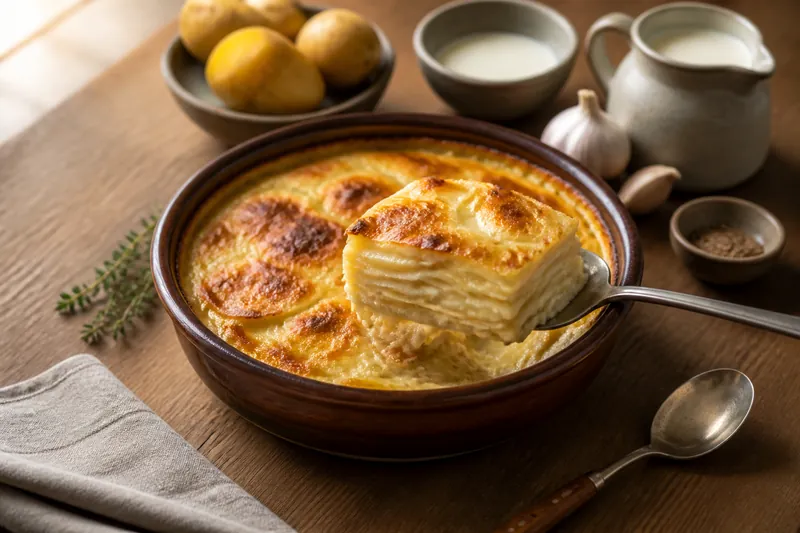
Gratin DauphinoisFrenchOpen the recipe →Gratin Dauphinois is a French potato dish built from thin slices baked in cream until the top browns and the center turns soft and layered. It tastes of dairy, garlic, and the potatoes themselves, which keep their shape while soaking up the sauce. It is worth cooking because it feels formal without being fussy, and it goes with roast meat, chicken, or a plain salad. One thing to know: slice the potatoes evenly and give the gratin enough time to bake through, or the center will stay firm while the top looks done.
A rich vegetable bake with familiar comforts
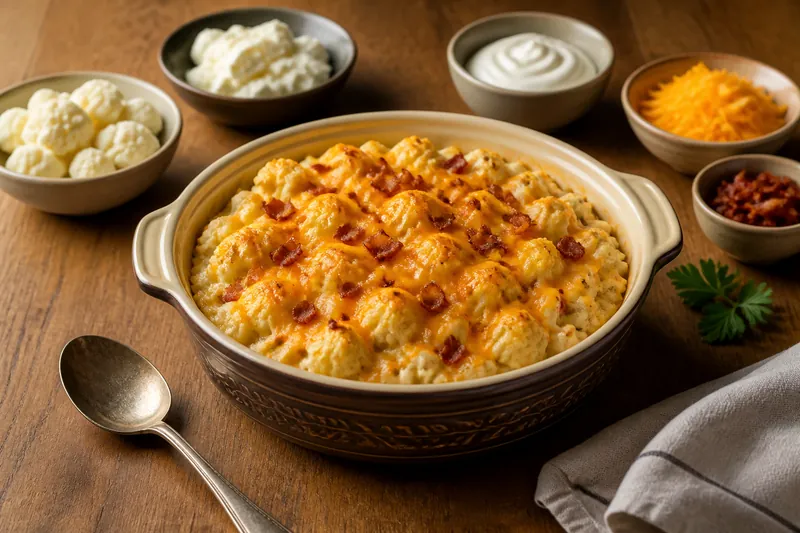 Loaded Cauliflower CasseroleAmericanOpen the recipe →
Loaded Cauliflower Casserole takes the language of a loaded baked potato and shifts it to cauliflower. The result is creamy, savory, and a little smoky, with cheese and bacon-style flavors giving the vegetable more weight than usual. It is worth cooking because it satisfies people who want a side dish that feels substantial and because cauliflower takes well to heavy seasoning. One thing to know: the cauliflower should be cooked just until tender before it goes into the oven, so it does not collapse into a watery mash.
A Georgian stew that eats like a side
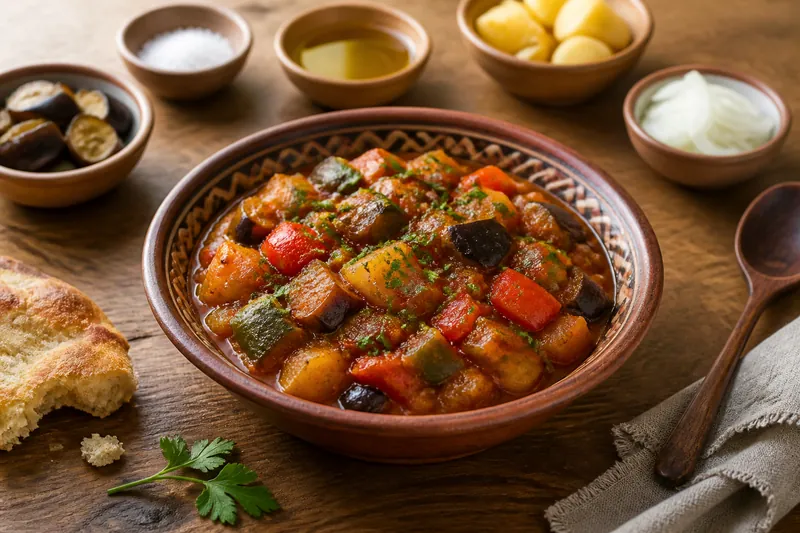 AjapsandaliGeorgianOpen the recipe →
Ajapsandali is a Georgian dish of eggplant, peppers, tomatoes, onion, and herbs cooked until the vegetables soften into a fragrant tangle. It tastes bright, smoky, and gently sweet from the tomatoes, with the eggplant giving it body. It is worth cooking because it can be served warm or at room temperature and sits easily beside grilled meat, bread, or rice. One thing to know: eggplant should be cooked well enough to lose its bitterness and turn silky, so do not rush the first stage.
Stretchy mash with real old-world comfort
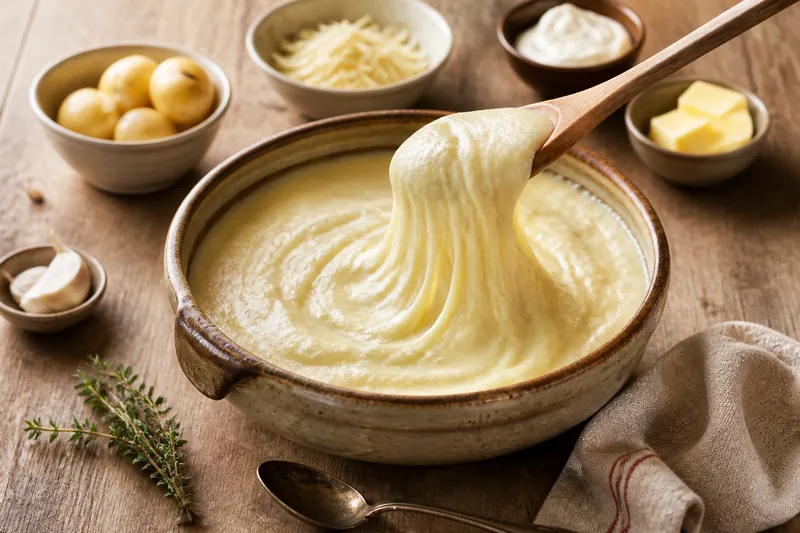 AligotFrenchOpen the recipe →
Aligot is a French potato dish enriched with cheese until it becomes elastic and smooth, almost like a very serious mash. It tastes buttery, garlicky, and deeply savory, with the cheese bringing both salt and stretch. It is worth cooking because it has a dramatic texture but a plain, honest flavor that suits roast meat or sausage. One thing to know: the cheese must be added gradually over low heat, stirring until the potatoes become glossy and pull into long strands rather than splitting.
Spiced potatoes with a sharp, lively edge
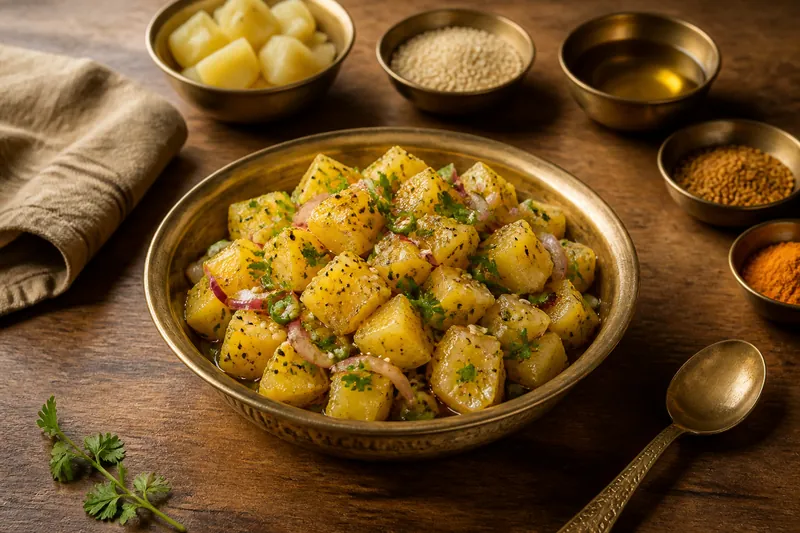 Aloo SadekoNepaliOpen the recipe →
Aloo Sadeko is a Nepali potato dish that is tossed with spices, herbs, and usually a little sourness, so the potatoes stay light rather than heavy. It tastes warm, tart, and aromatic, with a clean heat that wakes up the palate. It is worth cooking because it comes together quickly and works as a side, snack, or part of a larger spread. One thing to know: the potatoes should be cooked until just tender and then cooled enough to hold their shape before mixing, or they will break apart when stirred.
Rice scented with coconut and gentle sweetness
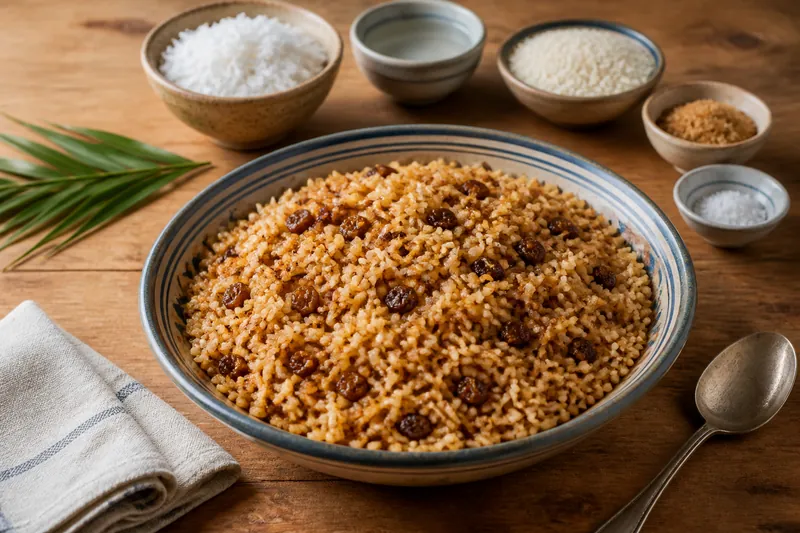 Arroz con cocoColombianOpen the recipe →
Arroz con coco is a Colombian rice dish cooked with coconut, often until the grains carry a subtle sweetness and a toasty aroma. It tastes rich but not heavy, with a balance of coconut depth and a faint caramel note that makes it memorable beside fish or fried seafood. It is worth cooking because it brings a different kind of richness to the table without needing much else. One thing to know: the rice needs careful attention once the coconut base starts to darken, since that browned stage gives the dish its character.
Nepali lentil fritters with a crisp shell
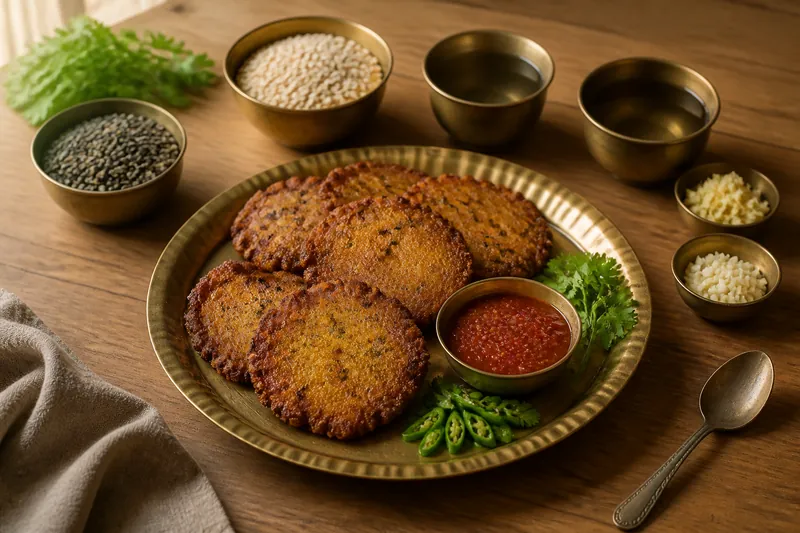 BaraNepaliOpen the recipe →
Bara are Nepali lentil fritters, cooked from a spiced batter until the outside is browned and the inside stays tender. They taste earthy, savory, and lightly fragrant, with the lentils providing a nutty base that takes well to herbs or a simple seasoning. They are worth cooking because they can be served as a side, snack, or part of a larger meal, and they bring both protein and crunch. One thing to know: the batter needs time to rest and hydrate, so do not rush straight from mixing to frying if you want a smoother texture.
Lebanese potatoes with heat and herbs
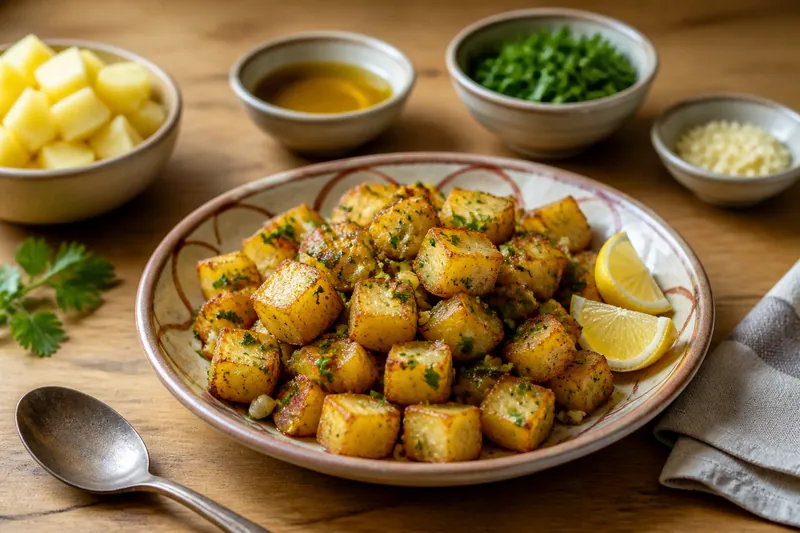 Batata HarraLebaneseOpen the recipe →
Batata Harra is a Lebanese potato dish tossed with chili, garlic, coriander, and lemon, then roasted or fried until the edges crisp. It tastes sharp, bright, and a little fiery, with herbs lifting the potatoes rather than masking them. It is worth cooking because it is simple, flexible, and strong enough to sit beside grilled meat, fish, or mezze. One thing to know: the potatoes should be cooked until golden before the seasoning is added, so they hold their shape and absorb the dressing without turning oily.
The best use for leftover vegetables
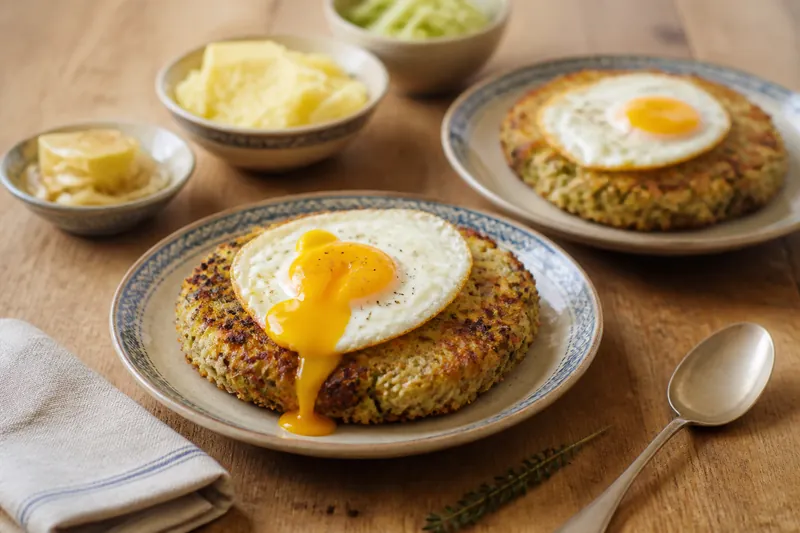 Bubble and SqueakBritishOpen the recipe →
Bubble and Squeak is a British pan-fried dish made from cooked potatoes and cabbage, usually whatever is left from a previous meal. It tastes savory, browned, and slightly sweet from the cabbage, with crisp edges where the mixture meets the pan. It is worth cooking because it turns leftovers into something that feels deliberate and satisfying, especially with fried eggs or cold meat. One thing to know: the mixture needs to be dry enough to brown, so press out excess moisture before it goes into the pan.
A savory dressing with brine and spice
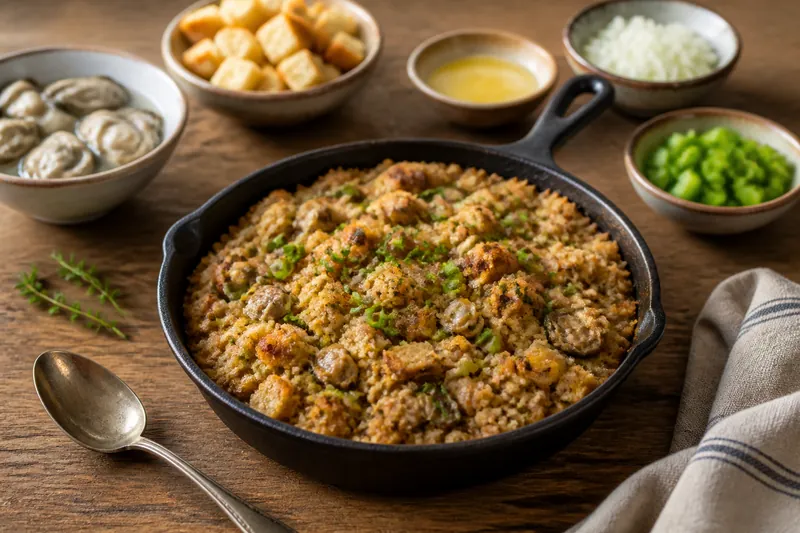 Cajun Oyster DressingCajunOpen the recipe →
Cajun Oyster Dressing is a deeply flavored side in which oysters add briny richness to a bread-based dressing seasoned in the Cajun style. It tastes earthy, herbal, and sea-salty, with enough depth to stand up to roast poultry or holiday meats. It is worth cooking because it brings a different kind of richness than standard stuffing and feels rooted in a specific coast and kitchen tradition. One thing to know: the oysters should be handled gently, because they cook quickly and can turn rubbery if the dressing is baked too long.
These side dishes are worth the effort because they do more than accompany a meal. They add contrast, shape the plate, and often carry the clearest flavors at the table. Cook one well, and it will not behave like a side for long.