10 Best-Known Libyan Dishes to Cook at Home
From wheat-based staples to stuffed pastries and slow-cooked stews, these ten dishes show the range of Libyan cooking.
Libyan cooking is built on grain, legumes, meat, and simple seasoning handled with care. It is filling food, often prepared for family meals, gatherings, and days when the table needs to feed many people.
These ten dishes are among the best known. Some are everyday staples, others are festive, but each gives a clear view of how Libyan cooks work with texture, heat, and patience.
The firm dough at the center of the table
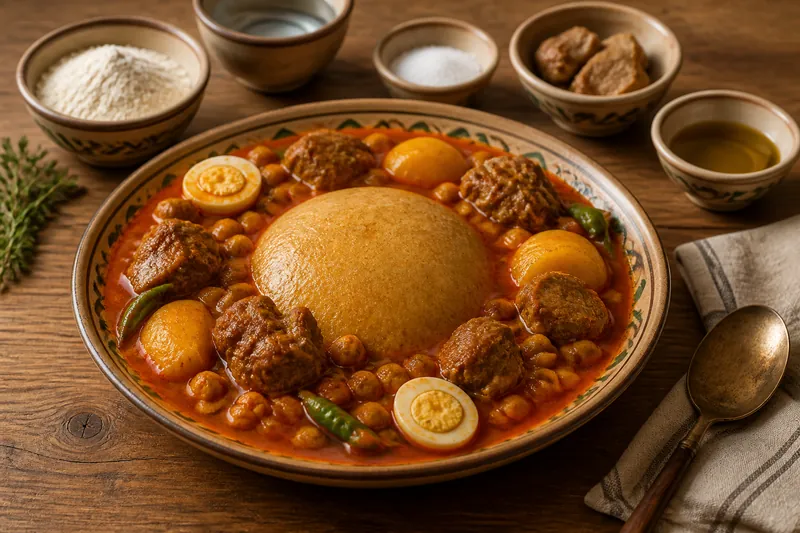
BazeenLibyanOpen the recipe →Bazeen is a dense dough of barley or mixed flour, cooked and shaped into a thick mound, then served with a sauce of meat, tomato, and spices. It tastes earthy and sustaining, with a plain grain base that soaks up the sauce well. The appeal is in its simplicity and its place as a true staple, not a side. A cook should know that the dough needs steady stirring and enough time on the heat to lose any raw flour taste and become smooth and elastic.
Toasted grain for a quick meal
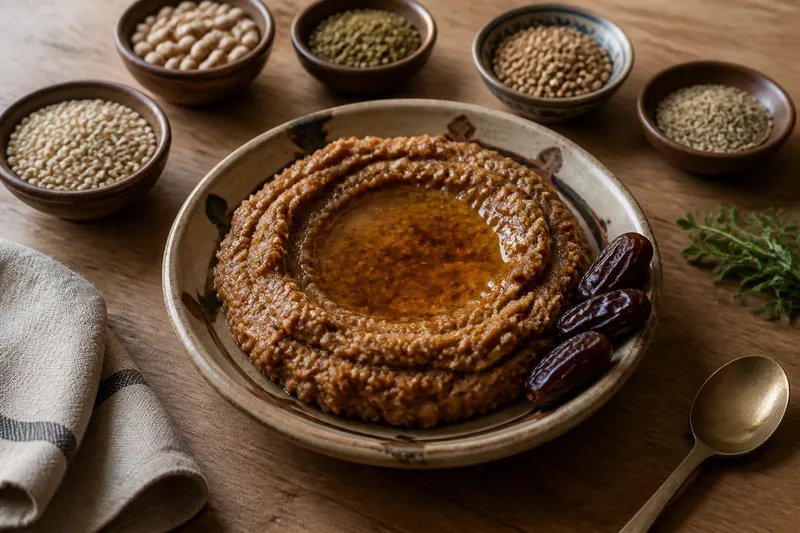 BsisaLibyanOpen the recipe →
Bsisa is a finely ground roasted grain mixture, often blended with spices and sometimes nuts or seeds, then eaten with oil, water, or milk. It is nutty, warm, and dry in a way that turns rich once mixed. People value it because it stores well and can be turned into a fast meal with very little cooking. A cook should know that the roasting stage matters most; if the grains are underdone, the flavor stays flat, but if they are pushed too far, the mixture turns bitter.
Crisp pastry with a savory filling
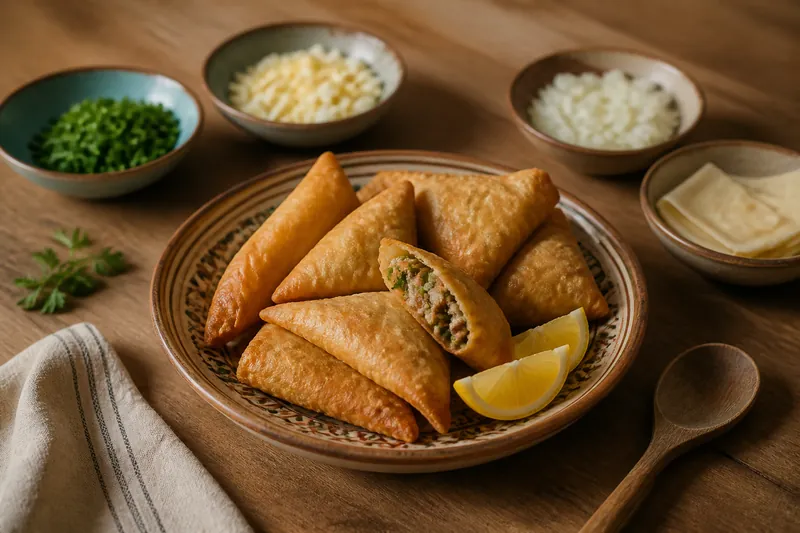 BureekLibyanOpen the recipe →
Bureek is a thin pastry, usually folded around a filling and fried until crisp and golden. The filling can vary, but the result should be light at the edges and savory in the middle, with a clean snap when bitten. It is often served as a snack or starter, and it is worth making for the contrast between delicate shell and hot filling. A cook should keep the pastry covered while working so it does not dry out and crack before it reaches the pan.
Shaped sweets with a glossy finish
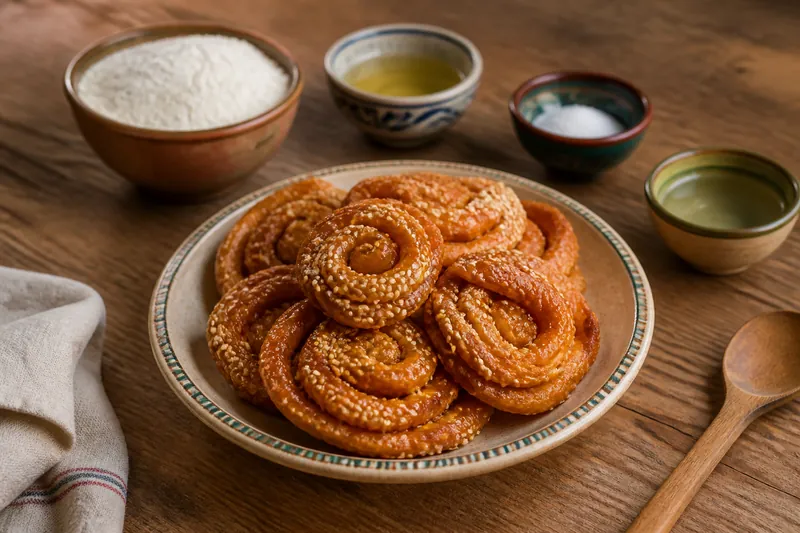 DeblaLibyanOpen the recipe →
Debla is a fried sweet made from folded dough, usually shaped into ribbons or spirals and soaked in syrup or honey after frying. It tastes rich, sticky, and lightly spiced if seasonings are added to the dough or syrup. It belongs to the pastry side of Libyan cooking and is often made for special occasions. A cook should work carefully with the dough, because the shaping is part of the look and the texture; if the pieces are too thick, they will brown before they cook through.
Beans and meat cooked to a deep stew
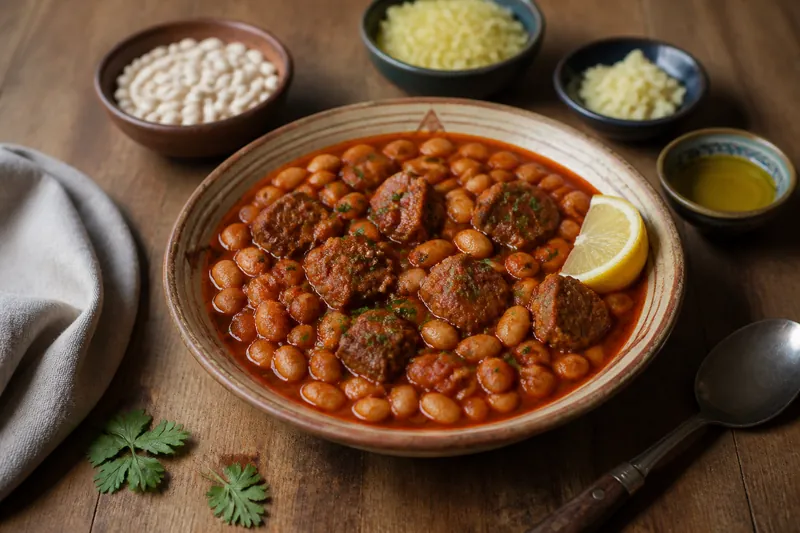 Fasolia bil-LahmLibyanOpen the recipe →
Fasolia bil-Lahm is a bean and meat stew, usually made with dried beans that are soaked first, then simmered with lamb or beef, tomato, onion, and spices. It tastes hearty and full-bodied, with the beans taking on the flavor of the sauce and meat. It is one of the clearest examples of practical Libyan home cooking. A cook should plan ahead, because the overnight soak is not optional if the beans are dried; it is what helps them cook evenly and become soft without splitting.
Layered bread, sauce, and meat
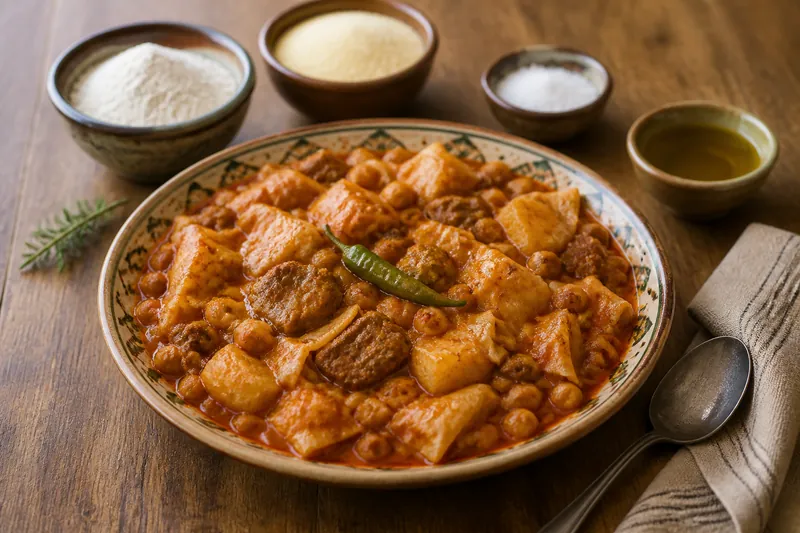 FtatLibyanOpen the recipe →
Ftat is a layered dish built from pieces of bread or flatbread soaked with broth and topped with meat, sauce, and sometimes legumes or vegetables. It is soft, savory, and deeply comforting, with the bread turning into the base rather than staying separate. The dish is worth cooking because it uses simple ingredients but gives a complete meal in one bowl. A cook should pay attention to the texture of the bread; if it is too fresh, it can become heavy, but if it is dried enough, it absorbs flavor without falling apart.
Tender cookies that melt early
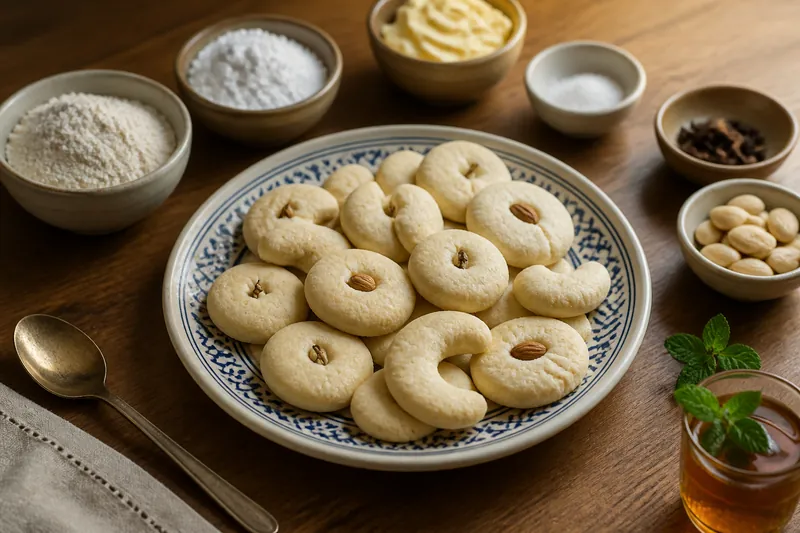 GhraybaLibyanOpen the recipe →
Ghrayba is a short, crumbly cookie made with butter or oil, sugar, and flour, often shaped simply and baked until pale. It tastes mild, buttery, and delicate, with a sandy texture that breaks cleanly rather than chewing like a biscuit. Its value lies in that softness and restraint. A cook should not expect much browning; ghrayba is usually taken out while still light in color, because overbaking takes away the tenderness that defines it.
A sharp tomato-and-pepper sauce
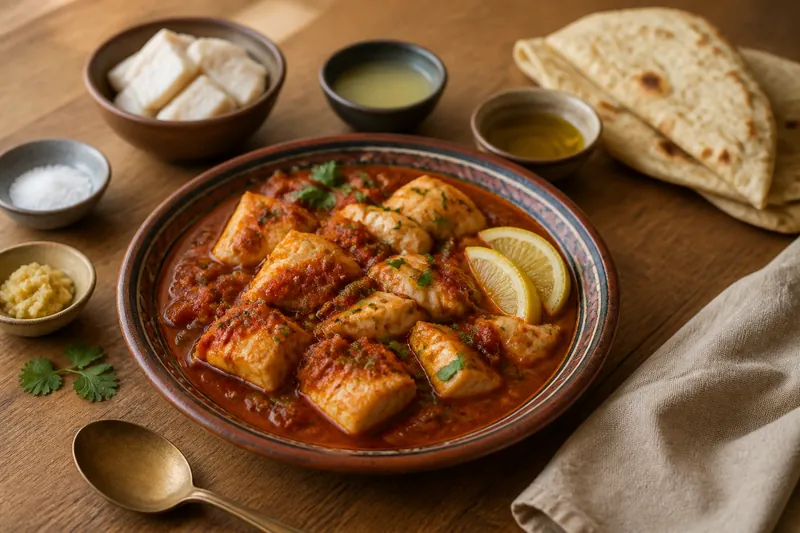 HraimiLibyanOpen the recipe →
Hraimi is a cooked sauce or relish built from tomatoes, peppers, garlic, and oil, with heat that can range from mild to lively. It tastes bright, savory, and slightly smoky, and it is often served with bread or as part of a larger meal. It is worth making because it brings a fresh, direct kind of flavor to the table without much effort. A cook should watch the moisture level closely; the vegetables need enough cooking to soften and concentrate, but not so much that the sauce turns dull and heavy.
Savory rings for tea or travel
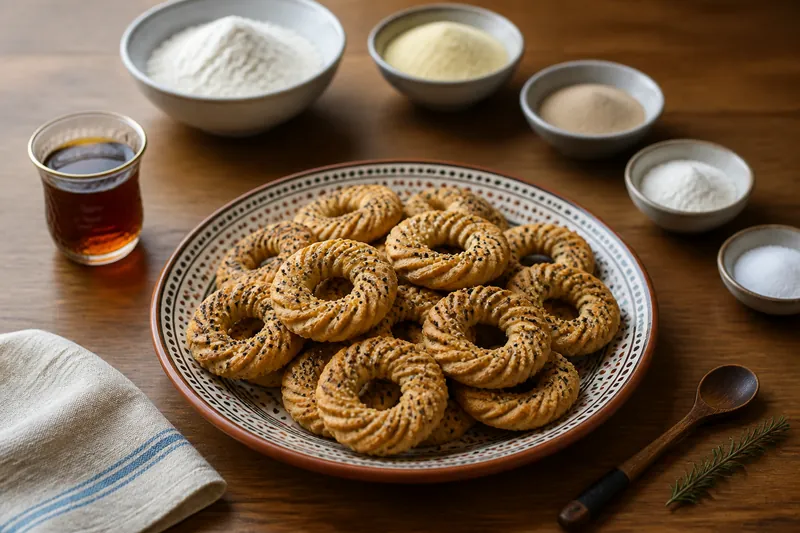 Kaak MalihLibyanOpen the recipe →
Kaak Malih is a savory baked bread or biscuit, usually formed into rings or other small shapes and flavored with salt and sometimes seeds or spices. It tastes firm, dry, and pleasantly seasoned, meant for eating with tea or carrying as a snack. Its importance is practical as much as culinary, since it keeps well and is easy to portion. A cook should give the dough enough time to rest and shape cleanly, because the texture depends on a well-made dough that bakes evenly all the way through.
Stuffed lamb for a feast
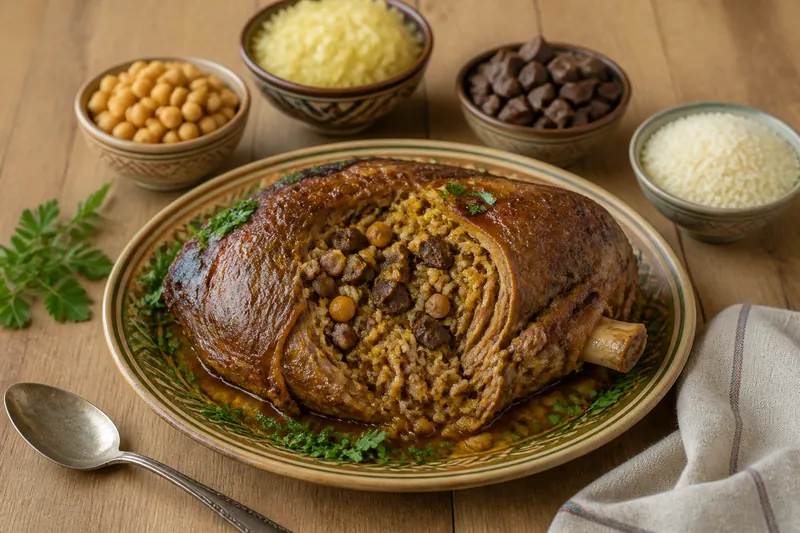 Kharoof MahshiLibyanOpen the recipe →
Kharoof Mahshi is stuffed lamb, prepared for a large meal and cooked until the meat is tender and the stuffing has taken on the lamb’s flavor. It is rich, aromatic, and ceremonial, often served when a family wants something substantial at the center of the table. The dish is worth the time because the stuffing and roasting create layers of flavor that plain braising cannot match. A cook should allow for a long, gentle cook, since rushing the lamb leaves the outside done before the interior has properly softened.
Taken together, these dishes show how Libyan cooking moves between bread, grain, stew, and pastry. The flavors are direct, the methods are patient, and the food is built to feed people well. That is the common thread running through the table.